
LIT Surges as Lighter Launches Buyback Program and Staking Features
 Aime Summary
- Lighter, a decentralized exchange, has launched a treasury buyback program, allocating 50% of protocol fees to repurchase LITLIT-- tokens in an effort to reduce circulating supply by up to 3% and increase token value according to reports.
- The platform has also introduced a staking feature that rewards users with 10 USDC in the Lighter Liquidity Pool for every 1 LIT staked, along with fee discounts and zero withdrawal charges for those staking 100 LIT as detailed.
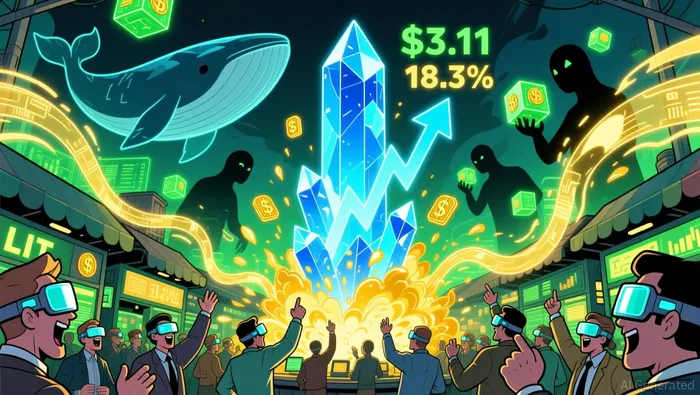
- These initiatives have driven a 18.3% price surge in LIT to $3.11 and an 89% increase in 24-hour trading volume, supported by whale activity and $550K in buybacks according to data.
Lighter's buyback program is designed to reduce the circulating supply of LIT tokens by up to 3%, with the aim of increasing token value. The program has already repurchased over 180,000 LIT tokens, spending $550,000. Whale activity and institutional confidence in the project are evident from these actions. According to reports, the treasury buyback program is a strategic move to align token holder interests with the platform's long-term growth objectives.
The staking feature aims to incentivize token holders to lock up their LIT tokens, increasing liquidity and long-term participation in the platform. Stakers receive 10 USDC for every 1 LIT staked and enjoy fee discounts, with a two-week grace period until January 28 to adjust to the new model as described. The initiative also offers zero withdrawal and transfer fees for those staking 100 LIT, making it an attractive proposition for both retail and institutional users. By aligning the interests of token holders with liquidity providers, Lighter hopes to create a self-sustaining liquidity model that benefits all stakeholders according to analysis.
How Will Lighter's Initiatives Impact LIT TokenLIT-- Performance?
Lighter's buyback program and staking features are expected to have a positive impact on LIT token performance by reducing circulating supply and increasing demand. The program has already driven a 18.3% price surge in LIT to $3.11 and an 89% increase in 24-hour trading volume according to reports. Whale activity and $550K in buybacks further support this growth, suggesting strong institutional confidence in the project. The staking feature is designed to encourage long-term participation and liquidity, which can contribute to a more stable and robust market for LIT according to data.
However, the market is not without risks. LIT has experienced a 27% decline over the past week, with some traders shifting to other platforms in search of new incentives as reported. This underperformance could be a sign of broader market trends and competition from other perpetual decentralized exchanges (DEXs). While Lighter remains the third-largest perpetual DEX by open interest, platforms like AsterASTER-- and Hyperliquid have regained top volume positions according to analysis.
What Are the Key Limitations and Challenges for Lighter's LIT Token?
One of the key limitations for Lighter's LIT token is the potential for a 30% weekly decline, which could undermine the positive momentum generated by the buyback and staking programs according to reports. The broader bearish sentiment in the crypto market also poses a risk, as traders may become more risk-averse and less inclined to stake or purchase LIT tokens. Additionally, the mandatory staking requirement after the two-week grace period could lead to resistance from some users who prefer to maintain liquidity rather than lock up their tokens as noted.
Another challenge is the competitive landscape, with platforms like Aster and Hyperliquid gaining traction by offering attractive incentives to traders and liquidity providers. Lighter must continue to innovate and offer compelling benefits to retain and attract users. The platform's ability to align token holder incentives with liquidity provision will be crucial in maintaining its position in the market according to analysis.
Despite these challenges, Lighter's initiatives represent a significant step towards creating a more sustainable and resilient token ecosystem. By reducing circulating supply, increasing liquidity, and offering attractive staking rewards, the platform is positioning itself to compete effectively in the rapidly evolving decentralized trading landscape according to reports.

Blending traditional trading wisdom with cutting-edge cryptocurrency insights.
Latest Articles
Stay ahead of the market.
Get curated U.S. market news, insights and key dates delivered to your inbox.


AInvest
PRO
AInvest
PRO



Comments
No comments yet