
LIT Introduces Mandatory Staking to Align Liquidity Providers and Token Holders
 Aime Summary
Lighter’s LITLIT-- token dropped 15% after introducing a staking program, attributed to post-launch selling and profit-taking. The staking model requires a 1:10 deposit ratio in the Lighter Liquidity Pool to align token holders with liquidity providers according to reports. Stakers receive incentives such as fee discounts, governance rights, and zero-fee withdrawals, aimed at fostering long-term engagement.
Lighter’s LIT token has experienced a significant drop of 15% following the launch of its staking program, despite the platform’s efforts to incentivize token holders. The decline is attributed to post-launch selling, profit-taking, and broader market volatility. The staking program is intended to align LIT holders with the platform’s financial products and promote long-term engagement.
The mandatory staking model requires a 1:10 deposit ratio in the Lighter Liquidity Pool (LLP) to access its features. This means that for every 1 LIT token staked, users can access 10 USDC in liquidity. The model aims to create a direct link between token supply and platform liquidity, ensuring users have a vested interest.
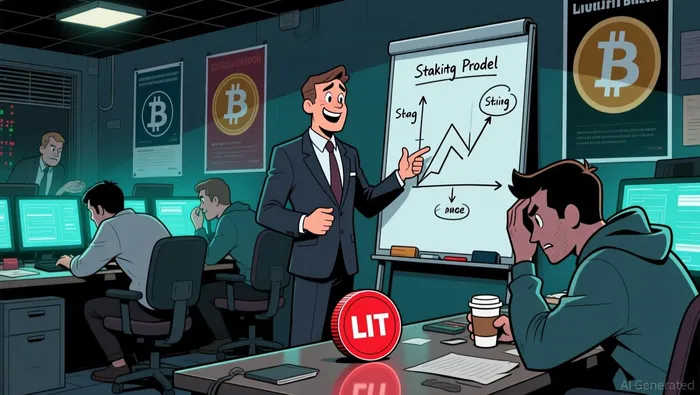
Despite these benefits, the mandatory staking model has sparked concerns about reduced token liquidity and centralization risks. Critics worry that locking tokens may lead to reduced trading activity and price volatility, making it harder for users to buy or sell the token quickly without affecting its price. In response, Lighter is implementing measures such as buybacks and expanding staking to public pools to stabilize the LIT token’s value.
Why Is LIT Experiencing a Drop in Price?
The 15% drop in LIT is primarily due to post-launch selling and profit-taking. Market participants are taking profits following the recent launch of the staking program. Additionally, broader market volatility has contributed to the decline, overshadowing the new utility and incentives introduced with the staking program.
The drop also reflects concerns about the new mandatory staking model. Users are cautious about locking their tokens, which could limit their ability to trade freely. These factors have led to a sell-off, with many investors capitalizing on the opportunity to exit their positions before the mandatory staking period begins.
How Does the Mandatory Staking Model Work?
The mandatory staking model requires a 1:10 deposit ratio in the Lighter Liquidity Pool (LLP) to access its features. This model is designed to align LIT holders with liquidity providers by creating a direct link. Stakers who lock in at least 100 LIT tokens receive several incentives, including fee discounts, governance rights, and zero-fee withdrawals.
This model is intended to foster long-term engagement. By offering tangible benefits to stakers, Lighter aims to encourage users to lock their tokens for extended periods. These incentives include fee discounts, governance rights, and zero-fee withdrawals, which make the Lighter Liquidity Pool more attractive to a wide range of users, from retail traders to institutional investors.
What Are the Concerns and Responses to Mandatory Staking?
The mandatory staking model has raised concerns about reduced token liquidity and centralization risks. Critics worry that locked tokens may lead to reduced trading activity and price volatility, making it harder for users to buy or sell the token quickly without affecting its price. These concerns highlight the potential downsides of the mandatory staking model and its impact on the broader market.
In response, Lighter is implementing measures to address these concerns. These include expanding the staking model to public pools and mobile users, as well as implementing token buybacks to stabilize the price of LIT. The initiative includes a two-week grace period for existing users to adjust their positions before staking becomes mandatory for new participants. This period ends on January 28, after which all new participants must stake their tokens to access the Lighter Liquidity Pool.
The long-term success of the mandatory staking model will depend on how effectively Lighter can address these concerns and maintain a healthy ecosystem according to analysis. By balancing the need for liquidity with the incentives for long-term engagement, Lighter aims to create a sustainable and aligned ecosystem that benefits both token holders and liquidity providers.

Blending traditional trading wisdom with cutting-edge cryptocurrency insights.
Latest Articles
Stay ahead of the market.
Get curated U.S. market news, insights and key dates delivered to your inbox.


AInvest
PRO
AInvest
PRO



Comments
No comments yet