
LIT Introduces Mandatory Staking to Align Liquidity Providers and Token Holders
 Aime Summary
- Lighter has introduced a mandatory staking model for its LITLIT-- token, requiring a 1:10 deposit ratio to unlock 10 USDC in the Lighter Liquidity Pool (LLP), aiming to align token holders with liquidity providers and enhance long-term engagement.
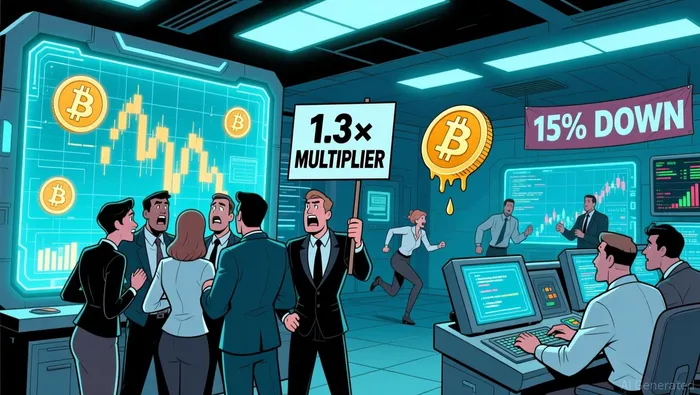
- The program has resulted in an immediate 15% price drop for LIT, attributed to post-launch selling pressure and market volatility, despite introducing incentives like fee discounts, governance rights, and a 1.3× points multiplier for early stakers according to market reports.
- Existing LLP users have a two-week grace period until January 28 to adjust their positions without staking, after which staked LIT must remain in the pool. Users who stake 100 LIT receive benefits such as zero-fee withdrawals and transfers.
How Does the LIT Staking Model Work?
The mandatory staking model requires users to lock 1 LIT token to gain access to 10 USDC in the Lighter Liquidity Pool (LLP). This 1:10 deposit ratio is designed to tie token holders directly to on-chain liquidity provision, incentivizing long-term participation.
By aligning LIT holders with liquidity providers, the model aims to improve risk-adjusted returns and reduce volatility by linking token value more closely with actual platform usage and trading activity.
Lighter has also introduced a 1.3× points multiplier for early stakers, which can boost leaderboard rankings and encourage prompt participation. Stakers who stake 100 LIT or more are eligible for fee waivers, including zero-fee withdrawals and transfers.
What Are the Risks and Benefits for Investors?
While the program incentivizes long-term engagement, it also imposes liquidity restrictions, reducing the flexibility of LIT tokens for trading and other uses. This has raised concerns among investors about the impact on token liquidity and price discovery.
The mandatory staking model has already caused a 15% drop in LIT's price, attributed to selling pressure and the "buy the rumor, sell the news" effect. The platform has acknowledged this decline and plans to stabilize the token through buybacks.
On the positive side, the initiative is part of Lighter's broader strategy to democratize on-chain hedge fund structures and attract both institutional and retail investors. Future plans include expanding staking to public pools and mobile users.
What Is the Market Reaction So Far?
The launch of the LIT staking program coincided with a 15% price drop for the token, driven largely by immediate post-launch selling and broader market dynamics according to market analysis.
Despite this, the initiative has attracted attention for its potential to enhance transparency and reduce fraud risks by using verifiable on-chain activity metrics. Lighter's platform is positioned as a top contender in perpetual swaps, with $68 million raised at a $1.5 billion valuation.
Investor sentiment remains mixed, with some critics pointing to reduced token flexibility and potential volatility, while supporters highlight the platform's focus on aligning incentives and promoting sustainable growth.
What's Next for Lighter and LIT?
Lighter plans to expand the LIT staking model to public pools and mobile users, aiming to attract a wider range of investors and increase liquidity.
The company has also hinted at future rewards for stakers, including potential LIT-based incentives linked to on-chain activity and platform performance.
Market watchers will closely monitor the token's price action in the coming weeks, particularly in light of rumors of a potential Robinhood listing, which could significantly impact liquidity and trading volume for LIT.

Blending traditional trading wisdom with cutting-edge cryptocurrency insights.
Latest Articles
Stay ahead of the market.
Get curated U.S. market news, insights and key dates delivered to your inbox.






Comments
No comments yet