
LIT Introduces Mandatory Staking to Align Liquidity Providers and Token Holders
 Aime Summary
Lighter has announced a mandatory staking model for its LIT tokenLIT--, requiring a 1:10 deposit ratio to unlock 10 USDCUSDC-- in the Lighter Liquidity Pool (LLP) according to reports. The initiative aims to align LITLIT-- holders with liquidity providers, incentivize long-term engagement, and improve risk-adjusted returns. The staking program coincided with a 15% price decline for LIT, attributed to post-launch selling and market volatility.
Lighter's LIT token has dropped nearly 15% in the 24 hours following the launch of its staking program. This decline is largely attributed to post-launch selling and broader market dynamics. The staking program introduces new utility for LIT holders, enabling them to earn rewards and access financial products like the Lighter Liquidity Pool.
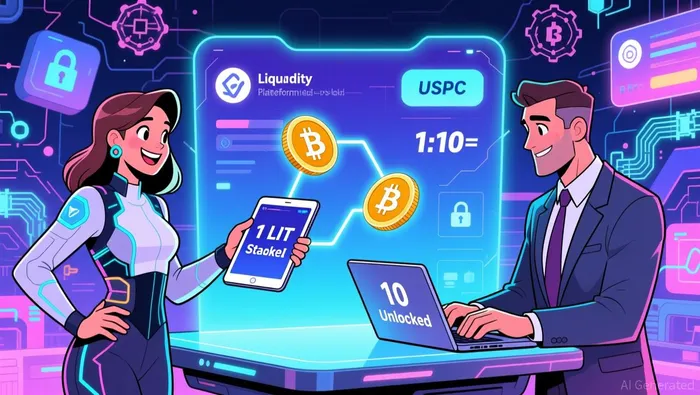
The staking model requires a 1:10 deposit ratio, allowing 1 LIT to unlock 10 USDC for deposit in the LLP. This mechanism is intended to tie the value of LIT more closely to the platform's liquidity and trading activity, aligning incentives between token holders and liquidity providers.
What is Lighter's new mandatory staking model for LIT?
Lighter's mandatory staking model is a structural change to its liquidity pools, requiring users to stake LIT at a 1:10 ratio to deposit USDC into the Lighter Liquidity Pool (LLP). Existing users have a two-week grace period until January 28 to adjust their positions without staking according to announcements. The model is designed to align token holders with liquidity providers and improve long-term engagement.
This mechanism is a key part of Lighter's strategy to democratize on-chain hedge funds and attract both institutional and retail investors. Stakers who stake at least 100 LIT can benefit from zero-fee withdrawals and transfers.
Why is the LIT token price down 15% post-staking announcement?
The LIT token's 15% price drop was largely driven by post-launch selling. Analysts noted a "buy the rumor, sell the news" effect contributed to the decline according to market analysis. The drop also reflects ongoing downward pressure from token distribution and profit-taking activity.
Despite the new utility and incentive mechanisms introduced by the staking program, the market response has been mixed. Lighter has initiated buybacks, but the selling pressure has not been fully offset.
How does staking align LIT holders with liquidity providers?
By requiring a 1:10 deposit ratio, the staking model aligns the interests of LIT holders with those of liquidity providers. Staking LIT allows users to deposit more liquidity into the Lighter Liquidity Pool (LLP), directly benefiting from the pool's trading activity.
This mechanism is designed to improve risk-adjusted returns for token holders. By locking LIT in staking, users are incentivized to contribute to the platform's liquidity and participate in its long-term success.
Additionally, stakers with at least 100 LIT receive zero withdrawal and transfer fees, further aligning their interests with the platform's ecosystem. The model also includes a 1.3× points multiplier, enhancing leaderboard rankings for early adopters.
What are the key features and benefits of the staking program?
Stakers can earn multiple incentives, including fee discounts, governance rights, and yield opportunities according to platform documentation. For example, users staking at least 100 LIT gain zero withdrawal and transfer fees as part of the program benefits. This is intended to encourage long-term token retention and deeper participation in the ecosystem.
The staking model also includes a 1.3× points multiplier for early adopters, which can improve their leaderboard rankings. Additionally, stakers who stake at least 100 LIT receive a 1.3× points multiplier for leaderboard rankings.
Lighter plans to expand the staking model to public pools and mobile users, aiming to democratize access to on-chain hedge fund structures.
What are the potential risks of the new staking model?
The staking model may reduce token liquidity and trading flexibility, potentially deterring external platform participation. Some analysts have raised concerns about the liquidity risks associated with the mandatory staking requirement.
The 15% drop in LIT's price has also raised questions about market confidence in the model. While Lighter has initiated buybacks, the selling pressure has not yet been fully offset.
Additionally, the mandatory staking model may limit token flexibility for some users, particularly those seeking to trade or transfer their LIT holdings. This could affect both retail and institutional investors, depending on their strategy and risk tolerance.

Blending traditional trading wisdom with cutting-edge cryptocurrency insights.
Latest Articles
Stay ahead of the market.
Get curated U.S. market news, insights and key dates delivered to your inbox.






Comments
No comments yet