
LIT Introduces Mandatory Staking to Align Liquidity Providers and Token Holders
 Aime Summary
- Lighter, a decentralized perpetuals exchange, has implemented a mandatory staking requirement for its native LITLIT-- token to access the Lighter Liquidity Pool (LLP) according to reports.
- The staking model uses a 1:10 deposit ratio, meaning 1 LIT unlocks 10 USDC for deposit into the LLP, aiming to increase liquidity and align token holders with liquidity providers as detailed.
- Existing users have a two-week grace period until January 28 to adjust their positions without staking, after which mandatory staking will apply to all users according to Lighter's announcement.
Lighter's new staking program is part of a broader strategy to enhance the platform's liquidity and promote a more sustainable ecosystem. By aligning the interests of LIT holders and liquidity providers, the exchange aims to improve risk-adjusted returns and expand hedge fund-like structures on the blockchain as reported. Users who stake 100 or more LIT benefit from fee waivers for withdrawals and transfers according to the latest update.
The platform also plans to adjust fee tiers for trading firms, with stakers receiving discounts on newly introduced premium tiers. This initiative is expected to increase demand for LIT but also comes with the risk of reduced token flexibility and potential market caution according to analysis.
How does staking LIT impact user incentives and platform growth?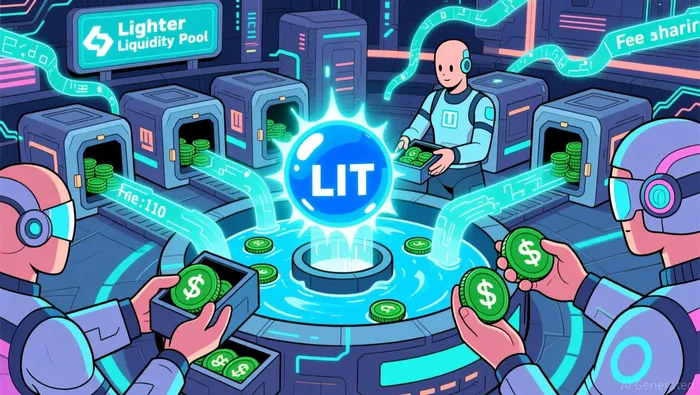
Staking LIT provides several benefits, including fee discounts, withdrawal waivers, and governance rights. These incentives encourage capital-efficient participation and reduce the friction associated with trading and liquidity provision as explained. LIT's utility goes beyond governance, enabling access to advanced trading execution tiers, verifying data, and participating in incentive programs according to technical documentation.
By staking LIT, users can earn returns from fee revenue sharing and contribute to the platform's growth. The token allocation model splits the total supply of 1 billion LIT between ecosystem incentives and internal stakeholders, with 25% reserved for future incentives and partnerships as outlined. This structure aligns long-term incentives with ecosystem growth and minimizes early sell pressure.
What are the potential risks and market reactions to the staking model?
While the staking model is designed to enhance liquidity and engagement, it also introduces risks such as reduced token flexibility and potential market caution. For example, LIT's token price dropped by approximately 15% in the last 24 hours following the staking program announcement, attributed to post-launch selling, FUD, and token distribution pressure according to market data.
Fee incentives are available for premium market makers and high-frequency trading firms, with discounts on newly adjusted fee tiers. Lighter plans to publish full premium fee tier details in the coming days according to the latest announcement. The staking program is also expected to expand to public pools and mobile users in the near future as planned.
The mandatory staking model is part of Lighter's broader vision to democratize on-chain hedge funds and attract both institutional and retail investors. The platform reported $200 billion in trading volume in December 2025, highlighting its growing influence in the decentralized trading market according to platform data.
What is the role of LIT in the broader Lighter ecosystem?
LIT functions as both a governance and utility token, playing a central role in the Lighter ecosystem. Staking LIT allows users to earn returns, access trading execution tiers, and verify data, creating a feedback loop where increased usage of Lighter's services drives demand for LIT as detailed.
The token's allocation strategy includes 25% reserved for future incentives and buybacks, with all fees from Lighter's decentralized perpetual DEX flowing back to LIT holders. This model creates a direct link between trading volume and token value according to technical analysis.
Lighter's staking model also introduces liquid staking derivatives, offering liquidity and collateralization opportunities, although these come with trade-offs such as yield dilution from provider fees. The platform's institutional-grade infrastructure, including support for high-frequency and algorithmic trading, has driven adoption in professional markets according to market reports.
With transparent on-chain dashboards tracking fee allocations and staking rewards, Lighter aims to build trust and long-term retention among users. As the platform expands into mobile platforms and institutional connectivity, LIT's utility is expected to deepen, further anchoring its value to network activity as stated.

Blending traditional trading wisdom with cutting-edge cryptocurrency insights.
Latest Articles
Stay ahead of the market.
Get curated U.S. market news, insights and key dates delivered to your inbox.


AInvest
PRO
AInvest
PRO



Comments
No comments yet