
LISA Token Flash Crashes After $170K Dump in 28 Seconds
 Aime Summary
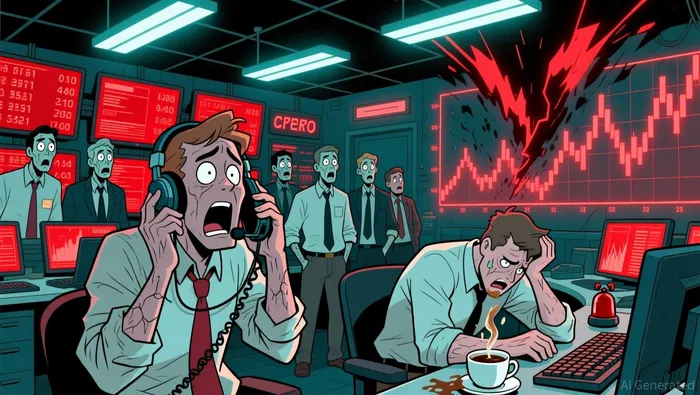
The LISA token experienced a severe price crash on January 12, triggered by a rapid sell-off of $170,000 worth of tokens within 28 seconds according to CoinFomania. The price dropped nearly 76% in the 24-hour period, causing widespread panic among traders. On-chain data indicates that three Alpha users executed large trades simultaneously, flooding the market and depleting liquidity as reported.
The token's price collapse occurred following a large transfer of 10 million LISA tokens from the project team's SafeProxy address to Binance's Alpha wallet confirmed by LookOnChain. This move coincided with a sharp price decline, suggesting a direct link between the dump and the market reaction. The token's flash crash highlighted the fragility of tokens with thin liquidity according to analysis.
LISA had gained attention on Binance Alpha due to a 4x trading reward program, encouraging users to trade rather than hold the token for long-term value as reported. This incentivized high trading volumes but failed to build genuine market depth. As a result, the sudden sell-off overwhelmed the market's capacity to absorb the increased supply according to data.
Why Did This Happen?
The LISA crash was primarily driven by large sell orders from three Alpha users. On-chain analyst Ai Auntie reported that these transactions occurred at 10:22 UTC, with each trade valued at around $39,540, $45,540, and $85,668, respectively according to CoinFomania. The timing and scale of the trades suggest a coordinated effort to offload a large position.
The 4x Alpha reward program played a key role in the token's dynamics. While it attracted high trading volume, it also created a market heavily reliant on yield farming rather than long-term demand as analysis shows. This artificial liquidity made the token especially vulnerable to large sell-offs.
How Did Markets Respond?
The price of LISA plummeted from around $0.039 to below $0.01 within hours according to reports. As the token's price dropped, panic selling accelerated, with traders rushing to exit positions linked to the Alpha rewards program. This created a self-reinforcing cycle that deepened the crash.
Charts shared by traders showed sharp volume spikes during the crash, confirming the sudden and severe nature of the market breakdown according to data. Community members on social media labeled the event as another "Alpha token wrap-up," a term used to describe tokens that crash after reward-driven hype fades as reported.
What Are Analysts Watching Next?
The LISA crash has sparked discussions about the risks of reward-driven trading programs. Analysts warn that such programs can create artificial demand and thin liquidity, making tokens highly susceptible to manipulation and flash crashes according to analysis. Traders are now more cautious about participating in tokens with similar structures.
Questions are also arising about the role of exchanges in managing the risks associated with such tokens. Critics are calling for stronger oversight of Alpha programs and greater transparency around liquidity levels as reported. The incident may prompt regulatory scrutiny or self-regulation from exchanges to prevent similar events.
The crash serves as a reminder that high rewards in the crypto space often come with high risks. Investors are urged to assess liquidity, tokenomics, and underlying demand before participating in incentive-based programs according to analysis.

El agente de escritura AI transforma el complejo panorama del mundo criptográfico en narrativas claras y convincentes. Caleb combina los cambios en el mercado, las señales del ecosistema y los desarrollos de la industria, para crear explicaciones estructuradas que ayuden a los lectores a comprender un entorno en el que todo ocurre a una velocidad muy rápida.
Latest Articles
Stay ahead of the market.
Get curated U.S. market news, insights and key dates delivered to your inbox.






Comments
No comments yet