
LIRR Strike Delayed as Unions Seek Mediation — What Investors Should Know


 Aime Summary
Public transportation across New York has been on edge in recent months, with tensions between Long Island Rail Road (LIRR) unions and the Metropolitan Transportation Authority (MTA) threatening a potential strike. But as of today, that action has been postponed — at least for now — as unions have taken an unusual step in seeking federal mediation. This delay offers a brief reprieve, but the underlying issues remain unresolved, and the situation is one to watch for its broader implications on the region's economy and mobility.
In the U.S. public transportation sector, labor disputes are not uncommon. But the LIRR case has drawn special attention because of its size and the critical role the system plays in connecting suburban Long Island to New York City. The MTA operates one of the most-used commuter rail lines in the country, and any major disruption would ripple through the economy. This is not the first time labor talks have led to uncertainty. Still, the decision to request a presidential emergency board from the Trump administration is a first-of-its-kind move in this context.
The unions involved — primarily the , the , and the — have been in negotiations for months. Their concerns span from wage adjustments to job protections and working conditions. The unions had previously authorized a strike, but the process of forming a strike committee has been delayed as they shift gears to seek federal mediation. This development suggests they are willing to explore alternative pathways to resolve the impasse.
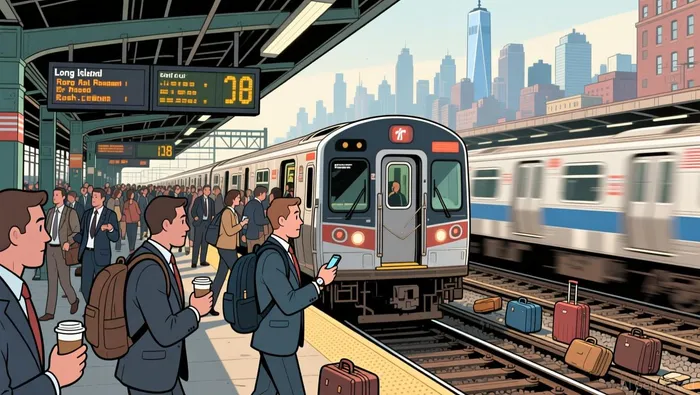
For the average commuter, the postponement is welcome news. The potential for a work stoppage, which could have led to major delays and even a complete shutdown of service, is now on hold. That said, the delay doesn't mean the dispute is over — it simply buys more time. For the MTA, the challenge remains in meeting the unions' demands while staying within its operational and budget constraints. For the broader economy, the LIRR is a lifeline for thousands of workers, and any disruption could have a measurable impact on regional productivity and business activity.
From an investor's perspective, the LIRR situation is part of a larger trend of labor negotiations across the public sector. Similar issues have surfaced in other critical industries, from railroads to trucking. The key questions for investors revolve around how these disputes are managed and what kind of ripple effects they could cause. If the LIRR issue takes longer than expected to resolve, it could strain regional economic performance and influence policy discussions around public infrastructure and labor relations.
The next step in this process is the formation of a presidential emergency board, which would be tasked with facilitating a resolution. This is a non-binding process, but it often helps de-escalate tensions and create a path toward a compromise. If the unions and MTA fail to reach an agreement even with federal involvement, the risk of a strike remains real. For now, the delay gives both sides time to re-evaluate their positions — and gives the public a chance to prepare for any potential changes in service. The situation is far from settled, but for now, the status quo holds — and investors are watching closely to see how it unfolds.

Delivering real-time insights and analysis on emerging financial trends and market movements.
Latest Articles
Stay ahead of the market.
Get curated U.S. market news, insights and key dates delivered to your inbox.


AInvest
PRO
AInvest
PRO



Comments
No comments yet