
Liquor Bankruptcies Surge as Industry Navigates Declining Demand and Export Challenges
 Aime Summary
The U.S. liquor industry, once a booming sector, is now facing headwinds from multiple sides. From shifting consumer habits to trade policy fallout, companies are struggling to adapt. In the past year alone, several well-known distilleries have filed for bankruptcy, including A.M. Scott Distillery, which recently entered . These moves signal a broader shift in the market that investors and industry observers can't afford to ignore.
What's Causing the Liquor Bankruptcies in 2025?
The liquor industry is grappling with a perfect storm of challenges. , with only 54% of U.S. according to recent reports. Simultaneously, export volumes have plummeted, especially to Canada and the EU, due to retaliatory tariffs imposed by foreign governments in response to U.S. trade policies as data shows.
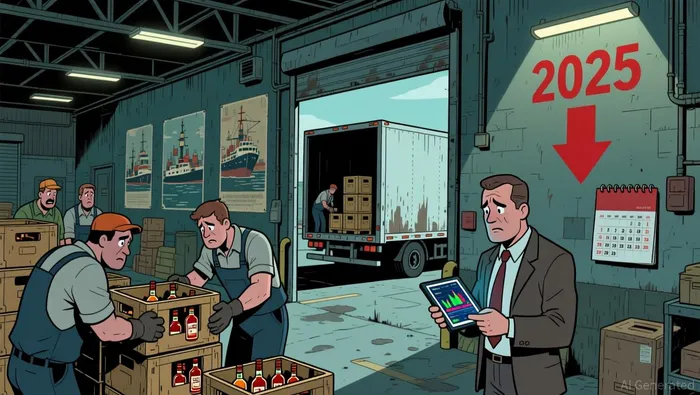
The result is a shrinking market for distilled spirits. Many small and mid-sized distillers lack the scale to absorb these losses, forcing them to restructure or shut down. A.M. Scott Distillery, based in Troy, Ohio, is one such example. The company filed for Chapter 11 in December 2025, citing financial difficulties and legal challenges involving its founder. Despite its loyal customer base and affordable product line, the distillery couldn't sustain itself amid the industry downturn.
Why Are Exports and Demand Falling in the U.S. Spirits Sector?
Trade tensions have hit the U.S. spirits industry hard. According to the Distilled Spirits Council of the United States (), U.S. in the second quarter of 2025, . The EU, the largest export market for American spirits, . These drops are linked to retaliatory tariffs imposed by these countries in response to U.S. policies under the Trump administration.
Meanwhile, domestic demand is also cooling. Younger consumers are drinking less alcohol overall, and there's growing public concern about the health effects of even moderate consumption. For example, Jim Beam recently announced it would temporarily halt production at its Clermont, Kentucky distillery for the entire year of 2026. The move reflects the broader industry trend of slowing demand and oversupply. The company is shifting operations to other facilities while it reevaluates its strategy.
What Should Investors Watch for in the Liquor Industry Downturn?
For investors, the liquor industry's challenges raise red flags. Brands that rely heavily on international markets, such as those in bourbon and whiskey, are particularly vulnerable to trade policy shifts. The recent closure of several smaller distilleries also indicates the sector's fragility. As of December 2025, at least seven breweries and distilleries have filed for bankruptcy, and more are likely to follow.
Investors should monitor several key factors:
- Export performance: Continued drops in international sales could signal deeper problems for U.S. distillers.
- Consumer behavior: If younger generations continue to reduce alcohol consumption, the long-term outlook for the industry will remain bleak.
- Legal and financial risks: Smaller producers, like A.M. Scott Distillery, face not just market-related risks but also legal challenges that could accelerate their downfall.
The bottom line is that the liquor industry is at a crossroads. Companies that can adapt—by diversifying their product lines, investing in sustainability, or shifting focus to domestic markets—might survive this downturn. But for many, especially smaller players, the path forward is uncertain.

Stay ahead of the market.
Get curated U.S. market news, insights and key dates delivered to your inbox.


AInvest
PRO
AInvest
PRO



Comments
No comments yet