
Liquor Bankruptcies Accelerate Amid Tariff Pressures and Gen Z Health Shifts
 Aime Summary
- The U.S. liquor industry and multiple distillery bankruptcies in 2025.
- Retaliatory tariffs , with Canadian sales during trade tensions.
- Gen Z's health focus has reduced alcohol consumption , while rates.
- Resilient companies pivot toward RTD cocktails .
The U.S. spirits sector confronts unprecedented challenges as bankruptcies mount across distilleries and breweries. Trade disputes and generational health shifts collide, creating industry-wide pressure. Major players like Jim Beam have paused production amid export collapses and inventory gluts. This restructuring signals fundamental demand changes that could reshape investment landscapes.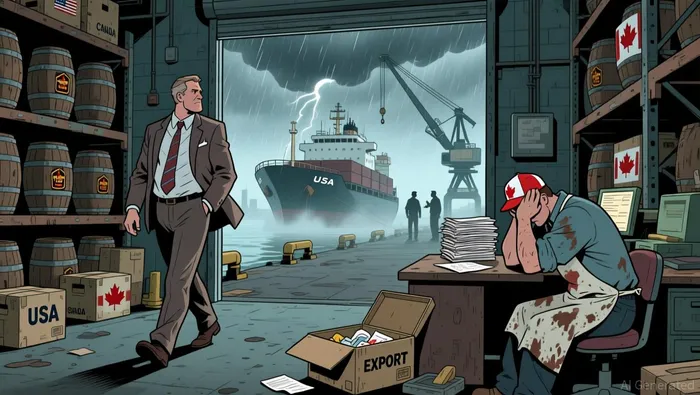
What's Driving the Liquor Bankruptcy Wave?
Trade tariffs triggered by U.S. policies decimated spirits exports, . Canadian sales during peak trade tensions. Simultaneously, domestic consumption patterns shifted dramatically. Gallup data reveals only 54% of U.S. . , forcing operational pauses like Jim Beam's distillery shutdown reported by aol. The combination of export barriers and evaporating domestic sales squeezed margins beyond recovery for many producers.
How Are Gen Z Trends Reshaping Alcohol Demand?
Health prioritization among younger consumers accelerates market fragmentation. actively reducing alcohol intake, viewing even moderate consumption as unhealthy. This perception shift shows in Gallup's tracking: 53% of all U.S. adults now believe moderate drinking is unhealthy, . GLP-1 weight-loss drugs compound this trend, . These behavioral changes manifest in sales data showing declines across traditional spirits, wine, and beer categories. That said, non-alcoholic and low-calorie alternatives gain traction as consumers seek healthier options without sacrificing social rituals. Demographic pressures now outweigh economic factors in driving demand erosion.
Which Strategies Offer Distilleries a Lifeline?
Innovators survive by targeting premiumization and functional diversification. RTD cocktails and mixers grew . Brands like WarRoom Cellars leverage craft storytelling to justify premium pricing amid broader declines. Simultaneously, distillers , . Operational restructuring through AI-driven supply chain optimization helps offset tariff-related production cost increases. While bankruptcies prune weaker players, survivors adapt through premium experiences, health-aligned innovation, and technology-driven efficiency. These pivots suggest resilience requires radical portfolio transformation rather than incremental adjustments.

Stay ahead of the market.
Get curated U.S. market news, insights and key dates delivered to your inbox.


AInvest
PRO
AInvest
PRO



Comments
No comments yet