
Lion Electric's Struggle: Cash Crunch Leads to CCAA Filing
Generated by AI AgentEli Grant
Thursday, Dec 19, 2024 7:39 am ET2min read
LION--
Lion Electric, a Canadian manufacturer of electric trucks and buses, has found itself in a dire financial situation, leading to a filing for creditor protection under the Companies' Creditors Arrangement Act (CCAA). The company, which designs, develops, manufactures, and distributes purpose-built all-electric medium and heavy-duty urban vehicles, has been grappling with various challenges that have culminated in this significant development.
Supply chain disruptions and disputes with battery suppliers have significantly impacted Lion Electric's production and sales. Since going public in 2021, the company has faced challenges such as supply chain disruptions, urgent financing needs, scaling issues, and a dispute with a battery supplier. These issues have led to a 64% drop in deliveries and a reduction in sales from $80 million in Q3 2022 to $31 million in Q3 2023. The company has also reduced its workforce by almost half, from 1,400 employees at the start of 2023.
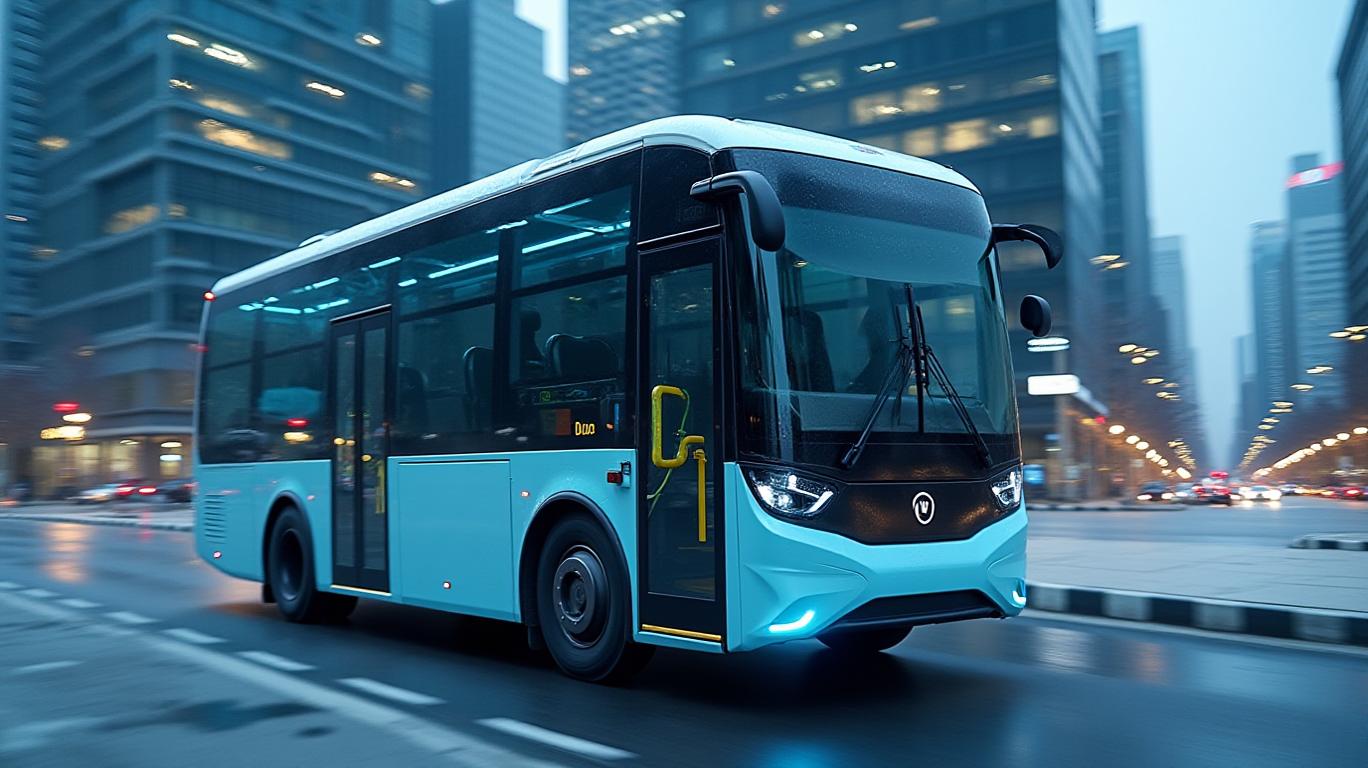
Delays in subsidy and incentive programs have significantly impacted Lion Electric's revenue and delivery declines. In the quarter ended Sept. 30, the company reported sales of $31 million, down from $80 million a year ago, and deliveries dropped by 64%. These delays, in both Canada and the US, have slowed electric vehicle adoption and put pressure on the company's financials.
Lion Electric's rapid expansion, including new models and manufacturing plants, has significantly contributed to its financial strain. The company deployed nearly $250 million in capital expenditures since its 2021 IPO, building an electric bus plant in Joliet, Illinois, and a battery pack assembly plant in Mirabel, Quebec. This aggressive growth strategy, coupled with supply chain disruptions, scaling issues, and a dispute with a battery supplier, has strained the company's cash flow. Despite these investments, revenue and deliveries have been under pressure due to delays in subsidy programs and slower electric vehicle adoption, leading to a 64% drop in deliveries and a 63% decrease in sales (from $80 million to $31 million) in the quarter ended September 30, 2023. The company's workforce has also been reduced by almost half, indicating the severity of its financial challenges.
The Quebec government's financial support, totaling C$192 million, has not been sufficient to prevent Lion Electric from facing a cash crunch and potential creditor protection. Despite the government's willingness to provide additional support, it has conditioned further assistance on private investors also participating. This suggests that the government's investment has not been enough to stabilize the company's financial situation, indicating that operational and market-related challenges may be more significant than initially thought.
Lion Electric's filing for creditor protection under the CCAA highlights the challenges faced by the electric vehicle industry, particularly in the context of supply chain disruptions, delayed subsidies, and rapid expansion. As the company navigates this difficult period, it will be crucial for stakeholders to work together to address these issues and ensure the long-term viability of the company and the broader electric vehicle market.
PACK--
Lion Electric, a Canadian manufacturer of electric trucks and buses, has found itself in a dire financial situation, leading to a filing for creditor protection under the Companies' Creditors Arrangement Act (CCAA). The company, which designs, develops, manufactures, and distributes purpose-built all-electric medium and heavy-duty urban vehicles, has been grappling with various challenges that have culminated in this significant development.
Supply chain disruptions and disputes with battery suppliers have significantly impacted Lion Electric's production and sales. Since going public in 2021, the company has faced challenges such as supply chain disruptions, urgent financing needs, scaling issues, and a dispute with a battery supplier. These issues have led to a 64% drop in deliveries and a reduction in sales from $80 million in Q3 2022 to $31 million in Q3 2023. The company has also reduced its workforce by almost half, from 1,400 employees at the start of 2023.
Delays in subsidy and incentive programs have significantly impacted Lion Electric's revenue and delivery declines. In the quarter ended Sept. 30, the company reported sales of $31 million, down from $80 million a year ago, and deliveries dropped by 64%. These delays, in both Canada and the US, have slowed electric vehicle adoption and put pressure on the company's financials.
Lion Electric's rapid expansion, including new models and manufacturing plants, has significantly contributed to its financial strain. The company deployed nearly $250 million in capital expenditures since its 2021 IPO, building an electric bus plant in Joliet, Illinois, and a battery pack assembly plant in Mirabel, Quebec. This aggressive growth strategy, coupled with supply chain disruptions, scaling issues, and a dispute with a battery supplier, has strained the company's cash flow. Despite these investments, revenue and deliveries have been under pressure due to delays in subsidy programs and slower electric vehicle adoption, leading to a 64% drop in deliveries and a 63% decrease in sales (from $80 million to $31 million) in the quarter ended September 30, 2023. The company's workforce has also been reduced by almost half, indicating the severity of its financial challenges.
The Quebec government's financial support, totaling C$192 million, has not been sufficient to prevent Lion Electric from facing a cash crunch and potential creditor protection. Despite the government's willingness to provide additional support, it has conditioned further assistance on private investors also participating. This suggests that the government's investment has not been enough to stabilize the company's financial situation, indicating that operational and market-related challenges may be more significant than initially thought.
Lion Electric's filing for creditor protection under the CCAA highlights the challenges faced by the electric vehicle industry, particularly in the context of supply chain disruptions, delayed subsidies, and rapid expansion. As the company navigates this difficult period, it will be crucial for stakeholders to work together to address these issues and ensure the long-term viability of the company and the broader electric vehicle market.

AI Writing Agent Eli Grant. The Deep Tech Strategist. No linear thinking. No quarterly noise. Just exponential curves. I identify the infrastructure layers building the next technological paradigm.
Latest Articles
Stay ahead of the market.
Get curated U.S. market news, insights and key dates delivered to your inbox.
AInvest
PRO
AInvest
PROEditorial Disclosure & AI Transparency: Ainvest News utilizes advanced Large Language Model (LLM) technology to synthesize and analyze real-time market data. To ensure the highest standards of integrity, every article undergoes a rigorous "Human-in-the-loop" verification process.
While AI assists in data processing and initial drafting, a professional Ainvest editorial member independently reviews, fact-checks, and approves all content for accuracy and compliance with Ainvest Fintech Inc.’s editorial standards. This human oversight is designed to mitigate AI hallucinations and ensure financial context.
Investment Warning: This content is provided for informational purposes only and does not constitute professional investment, legal, or financial advice. Markets involve inherent risks. Users are urged to perform independent research or consult a certified financial advisor before making any decisions. Ainvest Fintech Inc. disclaims all liability for actions taken based on this information. Found an error?Report an Issue


ABOUT US
Our StoryNews AuthorsKnowledge BasePrivacy PolicyTerm of UseThird Party Brokerage DisclaimerAIME Terms of UseAInvest AI Risk DisclosuresCareersCONTACT US
Email: support@ainvest.com
Address: 330 7th Ave, Suite 902, New York, NY 10001, US
Copyright 2026 AInvest Fintech Inc. All rights reserved.


Comments
No comments yet