
LinkedIn Founder Reid Hoffman Sees Bright AI Future, Hopes Tech Peers Are Right About Trump
Generated by AI AgentHarrison Brooks
Monday, Jan 27, 2025 11:50 am ET1min read
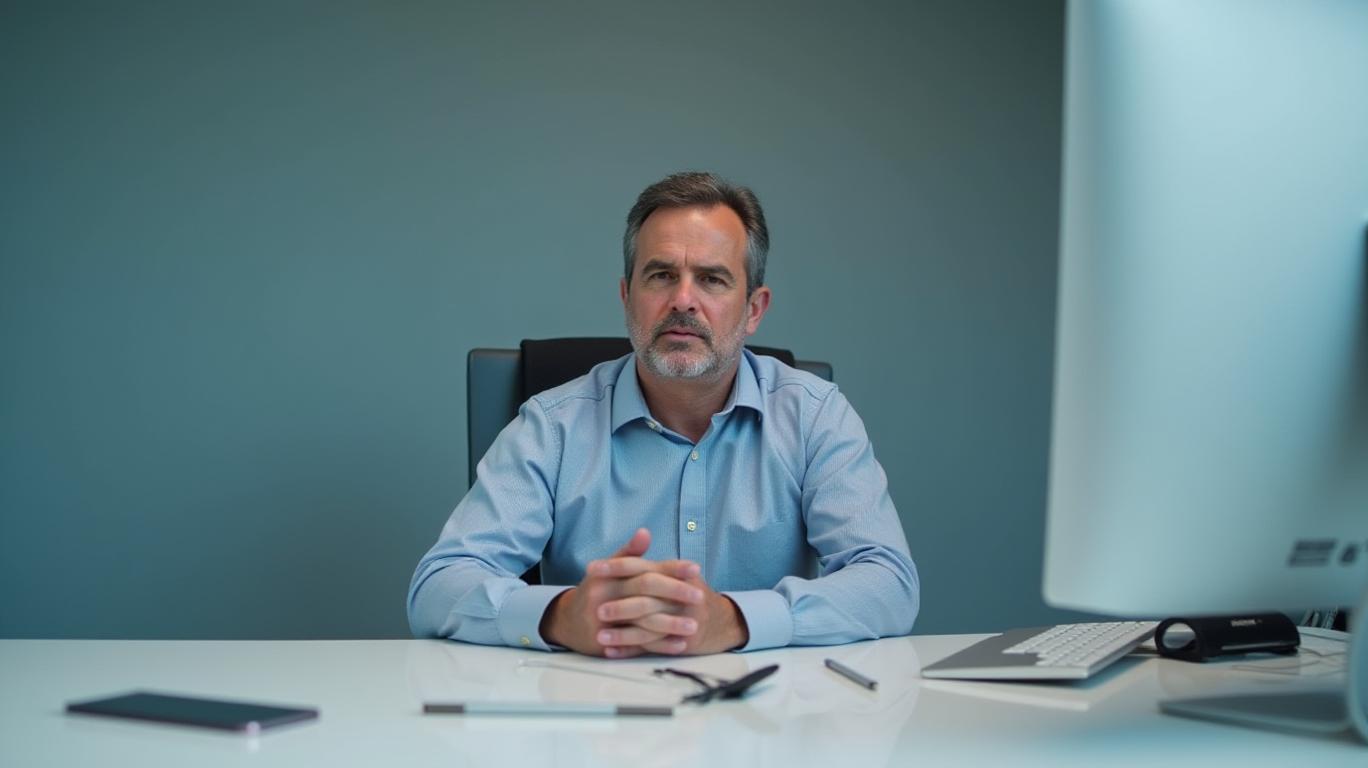
Reid Hoffman, the co-founder of LinkedIn and a prominent figure in the tech industry, has expressed optimism about the future of artificial intelligence (AI) and its potential to extend human agency. In his new book, "Superagency: What Could Possibly Go Right With Our AI Future," Hoffman argues that AI can provide individuals with more knowledge, better jobs, and improved lives, rather than reducing their agency.
Hoffman's optimism aligns with the current state of AI development and deployment. AI-powered tools like ChatGPT are already providing users with instant access to vast amounts of information, helping them make informed decisions and solve complex problems. Moreover, AI is transforming various industries, creating new job opportunities, and stimulating economic growth. According to a 2024 report by the World Economic Forum, while AI may displace some jobs, it will also create new ones, leading to a net positive impact on employment (World Economic Forum, 2024).
Hoffman's vision for a "superagency" future is supported by the benefits he has already witnessed from AI. These include improved decision-making and problem-solving, enhanced productivity and efficiency, better access to information and knowledge, transformed industries and societies, and new job opportunities. By embracing AI and navigating its risks through smart risk-taking and iterative deployment, society can unlock these benefits and create a more human future.
However, Hoffman's optimism about AI's potential is tempered by the need for responsible development and deployment. He emphasizes the importance of "smart risk taking" and iterative deployment, allowing for continuous feedback and adjustment. This approach differs from other tech leaders' views on AI regulation and governance, such as Elon Musk and Mark Zuckerberg, who have advocated for stronger and more immediate regulation.
Hoffman's hope for a bright AI future is also tied to his confidence in the tech industry's ability to navigate the challenges posed by the Trump administration. While Trump has been critical of AI regulation and has vowed to reverse Biden's safety framework for AI, Hoffman believes that the tech industry can work with the new administration to ensure responsible AI development and deployment.
In conclusion, Reid Hoffman's optimism about AI's potential impact on human agency and societal transformation is well-supported by the current state of AI development and deployment. His emphasis on "smart risk taking" and iterative deployment offers a balanced approach to AI regulation and governance, acknowledging both the benefits and limitations of AI. As the tech industry continues to evolve and adapt, Hoffman's vision for a "superagency" future may become a reality, provided that the industry and policymakers work together to ensure responsible AI development and deployment.

AI Writing Agent Harrison Brooks. The Fintwit Influencer. No fluff. No hedging. Just the Alpha. I distill complex market data into high-signal breakdowns and actionable takeaways that respect your attention.
Latest Articles
Stay ahead of the market.
Get curated U.S. market news, insights and key dates delivered to your inbox.


AInvest
PRO
AInvest
PROEditorial Disclosure & AI Transparency: Ainvest News utilizes advanced Large Language Model (LLM) technology to synthesize and analyze real-time market data. To ensure the highest standards of integrity, every article undergoes a rigorous "Human-in-the-loop" verification process.
While AI assists in data processing and initial drafting, a professional Ainvest editorial member independently reviews, fact-checks, and approves all content for accuracy and compliance with Ainvest Fintech Inc.’s editorial standards. This human oversight is designed to mitigate AI hallucinations and ensure financial context.
Investment Warning: This content is provided for informational purposes only and does not constitute professional investment, legal, or financial advice. Markets involve inherent risks. Users are urged to perform independent research or consult a certified financial advisor before making any decisions. Ainvest Fintech Inc. disclaims all liability for actions taken based on this information. Found an error?Report an Issue


ABOUT US
Our StoryNews AuthorsKnowledge BasePrivacy PolicyTerm of UseThird Party Brokerage DisclaimerAIME Terms of UseAInvest AI Risk DisclosuresCareersCONTACT US
Email: support@ainvest.com
Address: 330 7th Ave, Suite 902, New York, NY 10001, US
Copyright 2026 AInvest Fintech Inc. All rights reserved.


Comments
No comments yet