
LINEA Shifts to RISC-V Architecture to Align with Ethereum Roadmap
 Aime Summary
- LINEA is transitioning from the EthereumETH-- Virtual Machine (EVM) to RISC-V architecture to reduce the complexity of Ethereum hard forks and improve compatibility with its long-term roadmap.
- The RISC-V instruction set simplifies proof generation and enables real-time execution tracing, which is critical for Layer 2 scalability.
- This shift reduces manual maintenance burdens caused by Ethereum's evolving specifications and supports modular, sustainable scaling solutions.
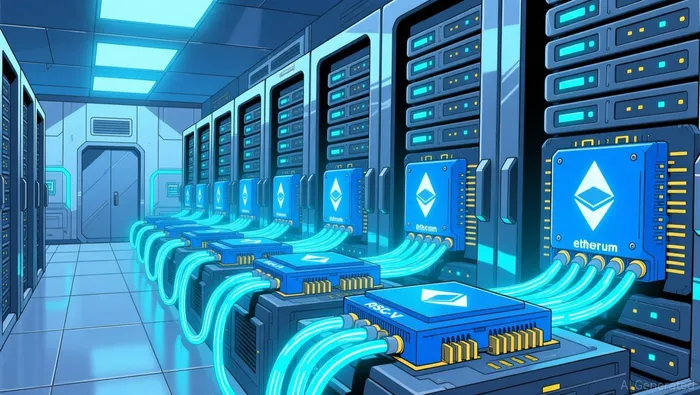
LINEA has announced a strategic shift from direct EVM arithmetization to RISC-V architecture. This move aims to address the challenges posed by the frequent rewrites needed for EVM compatibility as Ethereum evolves. RISC-V's streamlined design allows for narrower execution traces and faster proof generation.
The transition enables Type-1 Ethereum compatibility through standard compiler tooling. This eliminates the need for manual implementation of complex cryptographic functions like Keccak and RLP. The new architecture allows for independent benchmarking and replacement of components, improving long-term maintainability.
What is driving LINEA's transition to RISC-V architecture?
LINEA is moving to RISC-V to reduce the complexity of maintaining a tightly integrated EVM proving system. Each Ethereum hard fork has increased the burden of maintaining compatibility, making frequent rewrites of constraint modules necessary. RISC-V's simplicity and modularity provide a more sustainable solution.
What are the potential implications for the broader Ethereum ecosystem?
This transition may influence other Layer 2 projects to adopt standardized, interoperable scaling solutions. The move aligns with Ethereum Foundation goals and could promote broader developer adoption in the Layer 2 ecosystem. It supports a modular proving stack that can adapt to future changes in Ethereum's roadmap.
What are the risks and limitations of the RISC-V transition?
While the shift to RISC-V offers performance and modularity benefits, it also introduces technical integration challenges and testing requirements. The move requires careful validation to ensure compatibility and stability across the ecosystem. Developers must also manage the learning curve associated with RISC-V tooling and architecture.
The move reflects a broader industry shift toward standards-based, modular infrastructure. It supports formal verification and independent component optimization, which enhance long-term sustainability. This strategic decision positions LINEALINEA-- to remain competitive in the rapidly evolving Layer 2 landscape.

Blending traditional trading wisdom with cutting-edge cryptocurrency insights.
Latest Articles
Stay ahead of the market.
Get curated U.S. market news, insights and key dates delivered to your inbox.


AInvest
PRO
AInvest
PRO



Comments
No comments yet