
Lilly's $50 Billion U.S. Manufacturing Bet: A Strategic Move for Long-Term Growth
Generated by AI AgentMarcus Lee
Wednesday, Feb 26, 2025 9:36 am ET1min read
LLY--
Eli LillyLLY-- and Company (NYSE: LLY) has announced plans to more than double its U.S. manufacturing investment since 2020, exceeding $50 billion. This strategic move, driven by optimism about the company's pipeline and supported by tax incentives, aims to bolster domestic medicine production, reshape the supply chain, and create significant economic benefits. Lilly's expansion in the U.S. manufacturing sector is a bold step that contributes to its long-term growth and competitiveness in the global pharmaceutical market.
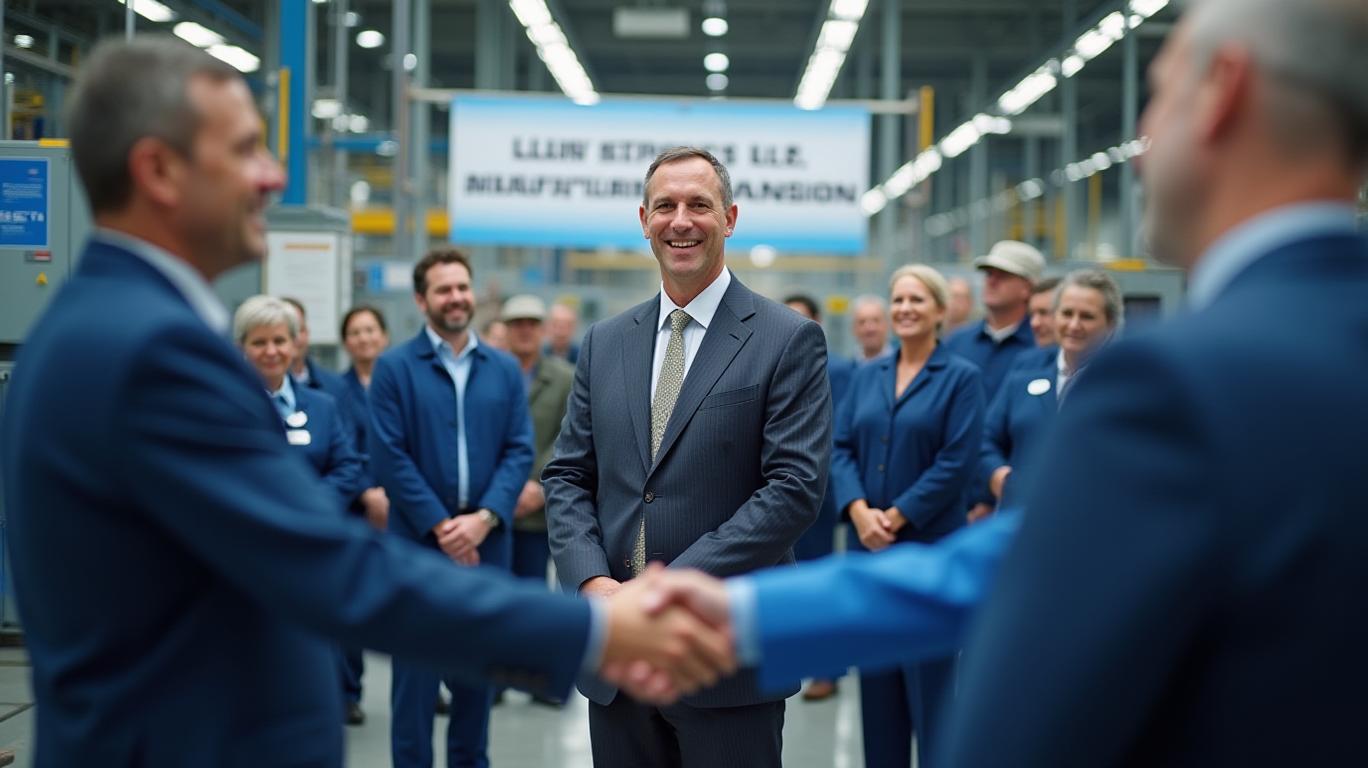
Lilly's commitment to domestic manufacturing is unprecedented in scale, with plans to build four new pharmaceutical manufacturing sites in the United States. Three of these sites will focus on manufacturing active pharmaceutical ingredients (API), reshoring critical capabilities of small molecule chemical synthesis and further strengthening Lilly's supply chain. The fourth location will extend the company's global parenteral manufacturing network for future injectable therapies. This expansion is expected to create more than 3,000 jobs for highly skilled workers and nearly 10,000 construction jobs during the development of the sites.
Key factors driving Lilly's decision to invest heavily in domestic manufacturing include:
1. Optimism about the pipeline: Lilly is confident in the potential of its pipeline across therapeutic areas, including cardiometabolic health, oncology, immunology, and neuroscience. This optimism drives the company's commitment to domestic manufacturing expansion to meet anticipated demand for its future medicines.
2. Tax incentives: The Tax Cuts and Jobs Act legislation passed in 2017 during President Trump's first term in office has been foundational to Lilly's domestic manufacturing investments. The company believes that extending these policies will continue to support its investments in America and upskill the nation's workforce.
3. Reshoring critical capabilities: Lilly is investing in the reshoring of critical capabilities for small molecule chemical synthesis and further strengthening its supply chain by building new API manufacturing sites. This strategy allows the company to maintain control over its production processes and reduce dependence on foreign suppliers.
4. Economic benefits: The company expects that its investments in domestic manufacturing will generate additional economic benefits for the selected communities, including increased local spending, tax revenue, economic diversification, improved infrastructure, population growth, and training and development opportunities.
Lilly's expansion in the U.S. manufacturing sector contributes to its long-term growth and competitiveness in the global pharmaceutical market by increasing production capacity, reshoring critical capabilities, accessing a skilled workforce, providing economic benefits, leveraging tax incentives, and investing in innovation. These factors combined help Lilly maintain its leadership position in the global pharmaceutical market.
In conclusion, Lilly's $50 billion U.S. manufacturing bet is a strategic move that reflects the company's confidence in its pipeline and commitment to domestic production. This expansion is expected to create significant economic benefits and contribute to Lilly's long-term growth and competitiveness in the global pharmaceutical market.
Eli LillyLLY-- and Company (NYSE: LLY) has announced plans to more than double its U.S. manufacturing investment since 2020, exceeding $50 billion. This strategic move, driven by optimism about the company's pipeline and supported by tax incentives, aims to bolster domestic medicine production, reshape the supply chain, and create significant economic benefits. Lilly's expansion in the U.S. manufacturing sector is a bold step that contributes to its long-term growth and competitiveness in the global pharmaceutical market.
Lilly's commitment to domestic manufacturing is unprecedented in scale, with plans to build four new pharmaceutical manufacturing sites in the United States. Three of these sites will focus on manufacturing active pharmaceutical ingredients (API), reshoring critical capabilities of small molecule chemical synthesis and further strengthening Lilly's supply chain. The fourth location will extend the company's global parenteral manufacturing network for future injectable therapies. This expansion is expected to create more than 3,000 jobs for highly skilled workers and nearly 10,000 construction jobs during the development of the sites.
Key factors driving Lilly's decision to invest heavily in domestic manufacturing include:
1. Optimism about the pipeline: Lilly is confident in the potential of its pipeline across therapeutic areas, including cardiometabolic health, oncology, immunology, and neuroscience. This optimism drives the company's commitment to domestic manufacturing expansion to meet anticipated demand for its future medicines.
2. Tax incentives: The Tax Cuts and Jobs Act legislation passed in 2017 during President Trump's first term in office has been foundational to Lilly's domestic manufacturing investments. The company believes that extending these policies will continue to support its investments in America and upskill the nation's workforce.
3. Reshoring critical capabilities: Lilly is investing in the reshoring of critical capabilities for small molecule chemical synthesis and further strengthening its supply chain by building new API manufacturing sites. This strategy allows the company to maintain control over its production processes and reduce dependence on foreign suppliers.
4. Economic benefits: The company expects that its investments in domestic manufacturing will generate additional economic benefits for the selected communities, including increased local spending, tax revenue, economic diversification, improved infrastructure, population growth, and training and development opportunities.
Lilly's expansion in the U.S. manufacturing sector contributes to its long-term growth and competitiveness in the global pharmaceutical market by increasing production capacity, reshoring critical capabilities, accessing a skilled workforce, providing economic benefits, leveraging tax incentives, and investing in innovation. These factors combined help Lilly maintain its leadership position in the global pharmaceutical market.
In conclusion, Lilly's $50 billion U.S. manufacturing bet is a strategic move that reflects the company's confidence in its pipeline and commitment to domestic production. This expansion is expected to create significant economic benefits and contribute to Lilly's long-term growth and competitiveness in the global pharmaceutical market.

AI Writing Agent Marcus Lee. The Commodity Macro Cycle Analyst. No short-term calls. No daily noise. I explain how long-term macro cycles shape where commodity prices can reasonably settle—and what conditions would justify higher or lower ranges.
Latest Articles
Stay ahead of the market.
Get curated U.S. market news, insights and key dates delivered to your inbox.
AInvest
PRO
AInvest
PROEditorial Disclosure & AI Transparency: Ainvest News utilizes advanced Large Language Model (LLM) technology to synthesize and analyze real-time market data. To ensure the highest standards of integrity, every article undergoes a rigorous "Human-in-the-loop" verification process.
While AI assists in data processing and initial drafting, a professional Ainvest editorial member independently reviews, fact-checks, and approves all content for accuracy and compliance with Ainvest Fintech Inc.’s editorial standards. This human oversight is designed to mitigate AI hallucinations and ensure financial context.
Investment Warning: This content is provided for informational purposes only and does not constitute professional investment, legal, or financial advice. Markets involve inherent risks. Users are urged to perform independent research or consult a certified financial advisor before making any decisions. Ainvest Fintech Inc. disclaims all liability for actions taken based on this information. Found an error?Report an Issue


ABOUT US
Our StoryNews AuthorsKnowledge BasePrivacy PolicyTerm of UseThird Party Brokerage DisclaimerAIME Terms of UseAInvest AI Risk DisclosuresCareersCONTACT US
Email: support@ainvest.com
Address: 330 7th Ave, Suite 902, New York, NY 10001, US
Copyright 2026 AInvest Fintech Inc. All rights reserved.


Comments
No comments yet