
Lighter (LIT) Underperforms Market Amid Reduced Trading Volume and Upcoming Token Unlocks
 Aime Summary
Lighter (LIT) has experienced a sharp price decline amid broader market weakness and reduced trading volume. As of 01 March 2026, the token fell to $1.44, marking a 55% drop from its peak. The weekly trading volume on the platform also dropped significantly, with figures dropping to under $50 billion in early 2026, a six-fold reduction from November 2025. Despite this, the platform launched Korean equity perpetuals and unified collateral in February 2026 to expand its offerings.
The platform also reported $920 million in USDC deposits and 65 million LITLIT-- staked in January 2026, indicating continued user activity and revenue generation. However, the price weakness has raised investor concerns, particularly as future token unlocks are scheduled to begin in January 2027. These unlocks could introduce further dilution and downward pressure on the token price.
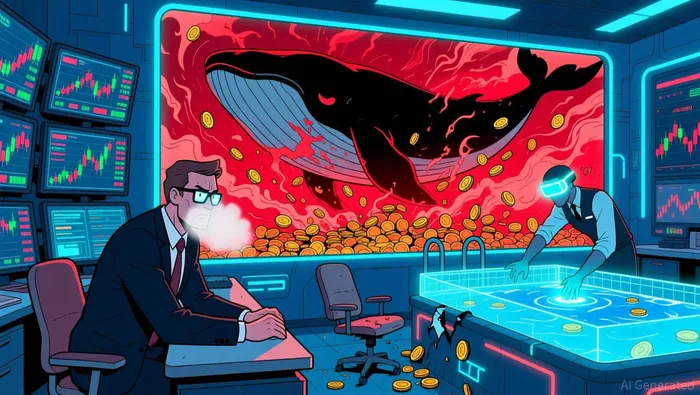
Lighter's liquidity strategy system proved effective during a $50 million ARC perpetual long squeeze on 26 February 2026. The event marked the first major test for the platform's upgraded liquidity pool system. The liquidity losses were limited to $75,000 for providers, while the whale lost $8.2 million. The system allocates liquidity across different strategies tailored to market conditions, which helped manage volatility during the squeeze.
Why Is Lighter's Price Performance Important for Investors?
The significant price drop and reduced trading volume signal a broader trend of investor caution or disengagement with the platform. This is notable as many decentralized platforms rely on high liquidity and active trading to sustain token value. The drop could also reflect broader macroeconomic or market sentiment factors that are affecting digital asset prices.
For investors, the 55% drop from the peak and the expected token unlocks in January 2027 are key risks. These events could exacerbate the downward trend and affect long-term investment theses. Additionally, while the platform's revenue generation remains robust, as shown by the $920 million in USDC deposits, this does not directly translate to token price stability.
What Is the Significance of Lighter's Liquidity System Demonstration?
The liquidity pool system's performance during the $50 million ARC perpetual squeeze showcased its ability to mitigate risk for liquidity providers. This is crucial for maintaining trust and confidence in decentralized trading platforms. The system's strategy-based allocation is designed to handle different market conditions, as evidenced by the limited losses for liquidity providers.
However, the ARC price dropped from $0.031 to $0.025 post-squeeze, raising questions about market manipulation and volatility. For investors, this event underscores the importance of infrastructure resilience in decentralized platforms. While the system performed well, the broader price volatility in perpetual contracts highlights the risks of trading in highly leveraged and volatile markets.
What Are the Broader Implications for the Digital Asset Market?
The broader market has seen a shift toward stablecoins and other less volatile assets due to the challenges of using high-volatility cryptocurrencies for everyday payments according to research. This trend reflects the need for more predictable value mechanisms in practical financial applications. Lighter's struggles may also indicate the broader challenges faced by decentralized platforms in maintaining liquidity and user engagement amid macroeconomic uncertainty.
Investors are also increasingly looking for long-term value and governance structures that align with sustainable growth. For example, proposals such as locking tokens for voting rights aim to ensure commitment and alignment within governance frameworks. While this is not directly related to Lighter, it shows a growing emphasis on governance mechanisms that prevent short-termism and speculative behavior.
The upcoming token unlocks in January 2027 represent a potential risk factor not only for Lighter but also for the broader market. Token unlocks have historically led to downward pressure as large holders sell, and this could be exacerbated by broader market conditions or investor sentiment. Investors should monitor this date and assess how it might affect not only LIT but also other tokens with similar unlock schedules.
Overall, Lighter's performance and the broader market shifts highlight the importance of robust infrastructure, effective governance, and risk management in the digital asset space. Investors should consider these factors when assessing the long-term viability of decentralized platforms.

Blending traditional trading wisdom with cutting-edge cryptocurrency insights.
Latest Articles
Stay ahead of the market.
Get curated U.S. market news, insights and key dates delivered to your inbox.


AInvest
PRO
AInvest
PRO



Comments
No comments yet