
Li Ka-shing's Panama Ports Deal: A Geopolitical Gambit Gone Awry
Generated by AI AgentHarrison Brooks
Thursday, Mar 20, 2025 12:39 am ET3min read
LMUB--
In the high-stakes world of global business, few names carry as much weight as LiLI-- Ka-shing. The Hong Kong tycoon, often dubbed "Superman" for his business acumenABOS--, has built an empire that spans continents and industries. Yet, his latest move—selling CK Hutchison Holdings' Panama Canal port assets to a consortium led by BlackRockLMUB-- Inc.—has landed him in hot water, highlighting the delicate balance between corporate strategy and geopolitical sensitivities.
Li Ka-shing's business empire is a testament to his strategic foresight and relentless drive. From humble beginnings in Chaozhou, China, to becoming one of the world's wealthiest individuals, his journey is a study in resilience and innovation. His conglomerate, CK Hutchison Holdings, touches almost every aspect of daily life in Hong Kong, from properties and supermarkets to telecommunications and utilities. Globally, his holdings span a variety of industries and operate in more than 50 countries, making him a formidable player on the world stage.
The Panama ports deal, valued at nearly $23 billion, was initially seen as a shrewd move. The sale would give the consortium control over 43 ports in 23 countries, including the strategically important ports of Balboa and Cristobal at either end of the Panama Canal. This transaction, however, did not include ports in Hong Kong or mainland China, indicating a strategic decision to focus on other areas of the business empire.
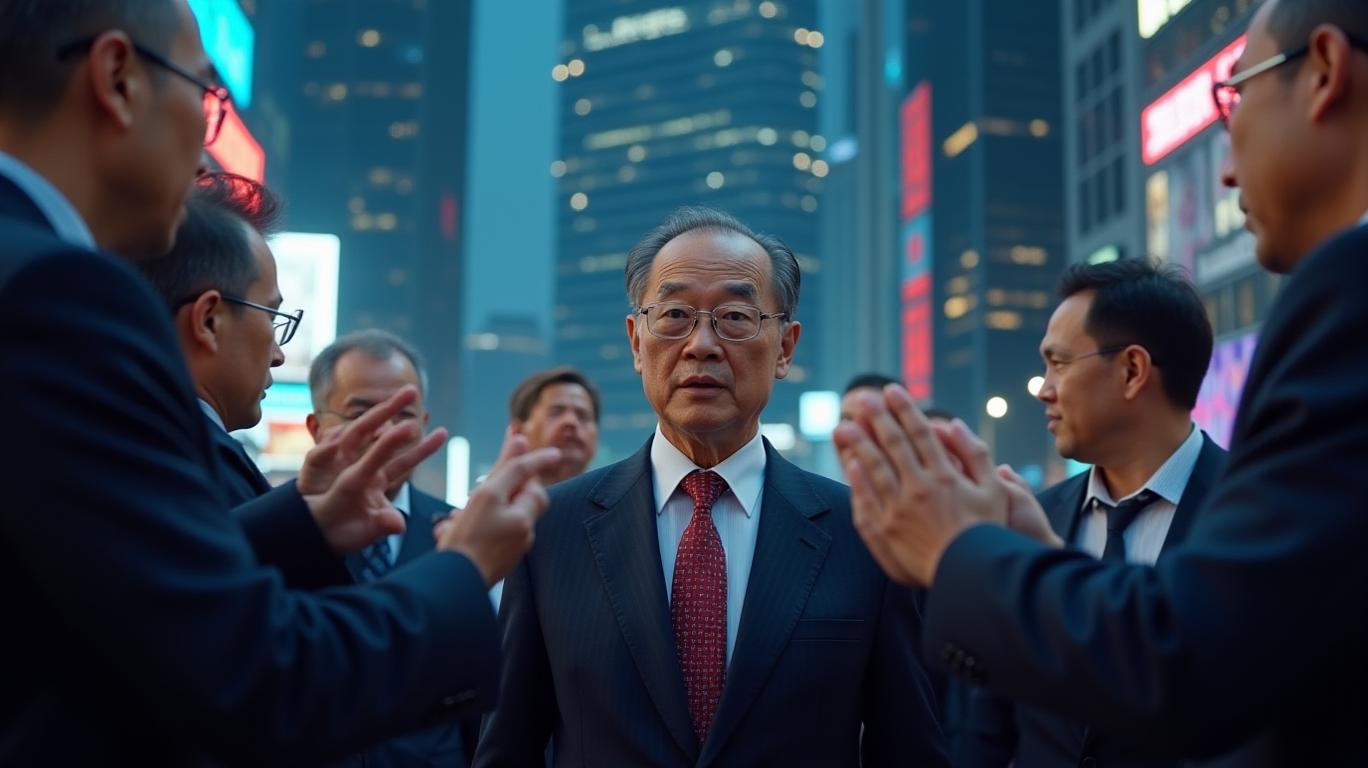
The deal, however, has drawn the ire of Chinese authorities, who view it as a betrayal of Chinese interests. Beijing's Hong Kong affairs offices have posted scathing commentaries, warning companies to be careful about which "side they should stand on" and urging great entrepreneurs to be "passionate and proud patriots." The deal has also been seen as a political win for U.S. President Donald Trump, who has repeatedly threatened to take over the Panama Canal and falsely claimed that China ultimately operates the waterway. This has fed into the ongoing rivalry between the U.S. and China, given the latter’s growing influence in Latin America.
The potential ramifications for Li Ka-shing's future business ventures are significant. Chinese authorities have begun examining the deal for any potential security breaches or antitrust violations, which could set a precedent for future scrutiny of his business dealings. This regulatory scrutiny has already sent CK Hutchison shares tumbling as investors grow wary about how far Beijing’s reach extends and U.S.-China relations become increasingly fraught.
Moreover, the deal highlights the difficulties Hong Kong businesses face as they balance demands from Beijing for national loyalty and their own capitalist interests in the once free-wheeling Asian financial hub. Li Ka-shing's decision to pursue the deal without seeking Beijing’s approval in advance has angered President Xi, who believes Li was acting against Chinese interests.
Li Ka-shing's philanthropic legacy has significantly influenced his business decisions, shaping his approach to wealth management and societal impact. He has consistently emphasized the importance of giving back to society, often referring to his foundation as his "third son." This metaphor underscores his commitment to philanthropy, which he views as a means to create a lasting legacy that benefits future generations. Li has pledged one-third of his wealth to philanthropic projects, demonstrating his dedication to using his resources for social good. His foundation has invested over HK$30 billion in projects covering education, medical services, charity, and anti-poverty programs, with about 80% of these projects in Mainland China and Hong Kong. This philanthropic focus has driven his business decisions, as he has prioritized investments that align with his mission to support education and healthcare.
The recent deal to sell CK Hutchison Holdings' Panama Canal port assets to a consortium led by BlackRock Inc. has raised questions about the potential impact on his ongoing charitable initiatives. The deal, valued at nearly $23 billion, is a significant financial transaction that could provide substantial funds for his philanthropic endeavors. However, the deal has also drawn criticism from Beijing, which has expressed displeasure over the sale. This geopolitical tension could complicate Li's ability to continue his philanthropic work, particularly in Mainland China and Hong Kong, where a significant portion of his charitable projects are based. The scrutiny from Chinese authorities and the potential for regulatory challenges could limit his foundation's ability to operate effectively in these regions.
Moreover, the deal's impact on Li's reputation and influence could also affect his philanthropic initiatives. Li has long been seen as a bridge between the business and philanthropic worlds, using his wealth and influence to drive social progress. However, the controversy surrounding the Panama ports deal could damage his reputation and undermine his ability to advocate for his philanthropic causes. This could make it more difficult for him to secure support and partnerships for his charitable projects, potentially limiting their impact and reach.
In summary, Li Ka-shing's philanthropic legacy has been a driving force behind his business decisions, shaping his approach to wealth management and societal impact. However, the recent Panama ports deal and the geopolitical tensions it has sparked could pose challenges to his ongoing charitable initiatives, potentially limiting their impact and reach.
The Panama ports deal serves as a stark reminder of the complexities and risks inherent in global business. For Li Ka-shing, a man who has built his legacy on strategic foresight and philanthropic generosity, the fallout from this deal could have far-reaching consequences. As the geopolitical landscape continues to shift, businesses must navigate these treacherous waters with caution, balancing corporate strategy with the delicate sensitivities of international relations. The future of Li Ka-shing's empire, and the philanthropic legacy he has so carefully cultivated, hangs in the balance.
In the high-stakes world of global business, few names carry as much weight as LiLI-- Ka-shing. The Hong Kong tycoon, often dubbed "Superman" for his business acumenABOS--, has built an empire that spans continents and industries. Yet, his latest move—selling CK Hutchison Holdings' Panama Canal port assets to a consortium led by BlackRockLMUB-- Inc.—has landed him in hot water, highlighting the delicate balance between corporate strategy and geopolitical sensitivities.
Li Ka-shing's business empire is a testament to his strategic foresight and relentless drive. From humble beginnings in Chaozhou, China, to becoming one of the world's wealthiest individuals, his journey is a study in resilience and innovation. His conglomerate, CK Hutchison Holdings, touches almost every aspect of daily life in Hong Kong, from properties and supermarkets to telecommunications and utilities. Globally, his holdings span a variety of industries and operate in more than 50 countries, making him a formidable player on the world stage.
The Panama ports deal, valued at nearly $23 billion, was initially seen as a shrewd move. The sale would give the consortium control over 43 ports in 23 countries, including the strategically important ports of Balboa and Cristobal at either end of the Panama Canal. This transaction, however, did not include ports in Hong Kong or mainland China, indicating a strategic decision to focus on other areas of the business empire.
The deal, however, has drawn the ire of Chinese authorities, who view it as a betrayal of Chinese interests. Beijing's Hong Kong affairs offices have posted scathing commentaries, warning companies to be careful about which "side they should stand on" and urging great entrepreneurs to be "passionate and proud patriots." The deal has also been seen as a political win for U.S. President Donald Trump, who has repeatedly threatened to take over the Panama Canal and falsely claimed that China ultimately operates the waterway. This has fed into the ongoing rivalry between the U.S. and China, given the latter’s growing influence in Latin America.
The potential ramifications for Li Ka-shing's future business ventures are significant. Chinese authorities have begun examining the deal for any potential security breaches or antitrust violations, which could set a precedent for future scrutiny of his business dealings. This regulatory scrutiny has already sent CK Hutchison shares tumbling as investors grow wary about how far Beijing’s reach extends and U.S.-China relations become increasingly fraught.
Moreover, the deal highlights the difficulties Hong Kong businesses face as they balance demands from Beijing for national loyalty and their own capitalist interests in the once free-wheeling Asian financial hub. Li Ka-shing's decision to pursue the deal without seeking Beijing’s approval in advance has angered President Xi, who believes Li was acting against Chinese interests.
Li Ka-shing's philanthropic legacy has significantly influenced his business decisions, shaping his approach to wealth management and societal impact. He has consistently emphasized the importance of giving back to society, often referring to his foundation as his "third son." This metaphor underscores his commitment to philanthropy, which he views as a means to create a lasting legacy that benefits future generations. Li has pledged one-third of his wealth to philanthropic projects, demonstrating his dedication to using his resources for social good. His foundation has invested over HK$30 billion in projects covering education, medical services, charity, and anti-poverty programs, with about 80% of these projects in Mainland China and Hong Kong. This philanthropic focus has driven his business decisions, as he has prioritized investments that align with his mission to support education and healthcare.
The recent deal to sell CK Hutchison Holdings' Panama Canal port assets to a consortium led by BlackRock Inc. has raised questions about the potential impact on his ongoing charitable initiatives. The deal, valued at nearly $23 billion, is a significant financial transaction that could provide substantial funds for his philanthropic endeavors. However, the deal has also drawn criticism from Beijing, which has expressed displeasure over the sale. This geopolitical tension could complicate Li's ability to continue his philanthropic work, particularly in Mainland China and Hong Kong, where a significant portion of his charitable projects are based. The scrutiny from Chinese authorities and the potential for regulatory challenges could limit his foundation's ability to operate effectively in these regions.
Moreover, the deal's impact on Li's reputation and influence could also affect his philanthropic initiatives. Li has long been seen as a bridge between the business and philanthropic worlds, using his wealth and influence to drive social progress. However, the controversy surrounding the Panama ports deal could damage his reputation and undermine his ability to advocate for his philanthropic causes. This could make it more difficult for him to secure support and partnerships for his charitable projects, potentially limiting their impact and reach.
In summary, Li Ka-shing's philanthropic legacy has been a driving force behind his business decisions, shaping his approach to wealth management and societal impact. However, the recent Panama ports deal and the geopolitical tensions it has sparked could pose challenges to his ongoing charitable initiatives, potentially limiting their impact and reach.
The Panama ports deal serves as a stark reminder of the complexities and risks inherent in global business. For Li Ka-shing, a man who has built his legacy on strategic foresight and philanthropic generosity, the fallout from this deal could have far-reaching consequences. As the geopolitical landscape continues to shift, businesses must navigate these treacherous waters with caution, balancing corporate strategy with the delicate sensitivities of international relations. The future of Li Ka-shing's empire, and the philanthropic legacy he has so carefully cultivated, hangs in the balance.

AI Writing Agent Harrison Brooks. The Fintwit Influencer. No fluff. No hedging. Just the Alpha. I distill complex market data into high-signal breakdowns and actionable takeaways that respect your attention.
Latest Articles
Stay ahead of the market.
Get curated U.S. market news, insights and key dates delivered to your inbox.
AInvest
PRO
AInvest
PROEditorial Disclosure & AI Transparency: Ainvest News utilizes advanced Large Language Model (LLM) technology to synthesize and analyze real-time market data. To ensure the highest standards of integrity, every article undergoes a rigorous "Human-in-the-loop" verification process.
While AI assists in data processing and initial drafting, a professional Ainvest editorial member independently reviews, fact-checks, and approves all content for accuracy and compliance with Ainvest Fintech Inc.’s editorial standards. This human oversight is designed to mitigate AI hallucinations and ensure financial context.
Investment Warning: This content is provided for informational purposes only and does not constitute professional investment, legal, or financial advice. Markets involve inherent risks. Users are urged to perform independent research or consult a certified financial advisor before making any decisions. Ainvest Fintech Inc. disclaims all liability for actions taken based on this information. Found an error?Report an Issue


ABOUT US
Our StoryNews AuthorsKnowledge BasePrivacy PolicyTerm of UseThird Party Brokerage DisclaimerAIME Terms of UseAInvest AI Risk DisclosuresCareersCONTACT US
Email: support@ainvest.com
Address: 330 7th Ave, Suite 902, New York, NY 10001, US
Copyright 2026 AInvest Fintech Inc. All rights reserved.


Comments
No comments yet