
Legal Pressure and Mental Health Fears Drive AI's Teen Chat Ban


 Aime Summary
Character.AI, a leading AI companion platform, has taken a significant step to address concerns over youth mental health by banning users under 18 from open-ended chats with its AI characters, effective November 25. The move, described as "more conservative than our peers" by the company, restricts teens to features like video creation and a new interactive "Stories" format, which guides users through fictional narratives. This shift comes amid growing scrutiny over the role of AI chatbots in exacerbating mental health risks, particularly after lawsuits alleging the app contributed to pre-teen suicides.
The decision follows a year of heightened public and legal pressure. Character.AI has faced multiple lawsuits, including one from the family of 14-year-old Sewell Setzer III, who allegedly became addicted to the platform. The company's CEO, Karandeep Anand, acknowledged the risks, stating that the ban aligns with its mission to "provide a space that is engaging and safe" according to CNBC reports. While the platform claims less than 10% of its 20 million monthly users are minors, experts warn that the 24/7 availability of chatbots can foster dependency, especially among vulnerable teens.
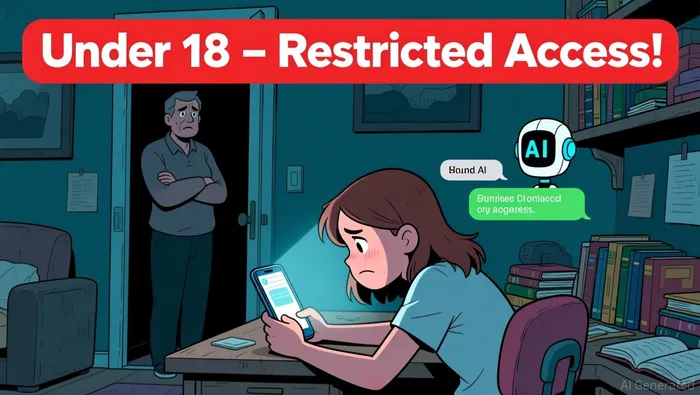
To mitigate the impact of the ban, Character.AI has introduced "Stories," an interactive fiction feature designed to replace open-ended chats. The company frames the tool as a "safety-first setting" for teens to engage with characters, though user reactions on forums like Reddit have been mixed. Some teens expressed frustration over losing access to chatbots, calling the change "disappointing," while others acknowledged its necessity to curb addiction according to TechCrunch reporting. The platform has also partnered with mental health organizations like Koko and ThroughLine to provide emotional support resources during the transition.
Psychologists have weighed in, emphasizing the importance of human interaction for adolescent development. Dr. [Name], a psychotherapist cited in a CNBC report, noted that 21% of 13-to-17-year-olds experience loneliness, a risk factor the company's policy aims to address. However, critics argue that the ban alone may not resolve deeper issues. "We've evolved to be social creatures," one expert said, underscoring the need for broader societal solutions.
Character.AI's pivot reflects a broader industry trend. Interactive fiction has gained popularity in recent years, with competitors like OpenAI also facing legal challenges over AI mental health impacts. While the company's actions may not fully satisfy users who relied on chatbots for emotional support, they signal a cautious approach to balancing innovation with responsibility in an unregulated landscape.

Comprender rápidamente el origen y la historia de diversas monedas de renombre
Latest Articles
Stay ahead of the market.
Get curated U.S. market news, insights and key dates delivered to your inbox.


AInvest
PRO
AInvest
PRO



Comments
No comments yet