
Lee County, Florida: Infrastructure Investments Fuel Economic Transformation
The Sunshine State's Lee County is poised to become a hub of economic dynamism, driven by a wave of transportation infrastructure investments. Upcoming projects, including highway expansions, pedestrian pathways, and disaster-resilient systems, are set to reshape the region's economy, boost real estate values, and attract businesses seeking a strategic location. Public hearings and surveys highlight the community's proactive stance on growth, while federal and state funding ensures these projects are financially viable. Here's how investors should see this as a golden opportunity.
Transportation Projects: The Backbone of Growth
The Lee County Metropolitan Planning Organization's (MPO) June 20, 2025, public hearing marks a pivotal moment. The Transportation Improvement Program (TIP) for FY 2026–2030 outlines over $400 million in federal, state, and local-funded projects, including:
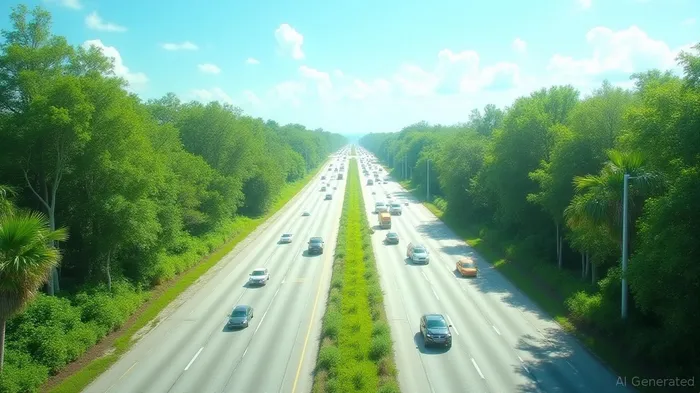
- I-75 Widening (Golden Gate Parkway to Corkscrew Road): A critical artery linking Fort Myers to Naples, this project will ease congestion and support commercial traffic.
- Daniels Parkway Rest Area Expansion: Enhancing connectivity to key industrial zones, it could catalyze logistics and manufacturing activity.
- Hurricane Ian Recovery Efforts: Repairs to bridges like the Midpoint Bridge and sidewalk networks ensure resilience against future disasters.
These initiatives are underpinned by robust funding sources, including FEMA grants for flood mitigation and state allocations for road maintenance. While the TIP does not specify exact job numbers, similar infrastructure projects in Florida have historically created 1–2 jobs per $1 million invested, suggesting potential for thousands of construction and operational roles over five years.
Economic Impact: Beyond Construction Jobs
The ripple effects of these projects extend far beyond temporary construction employment. Key industries stand to benefit:
1. Real Estate: New infrastructure will attract businesses to underserved areas. For example, the Able Canal Pathway (part of the TIP) could transform neighborhoods into mixed-use hubs, boosting residential and commercial property values.
- Data Point:
- Lee County's median home prices, though down slightly in early 2025, are projected to stabilize by 2026 as inventory balances, per local appraisers.
Tourism and Hospitality: Improved road access to attractions like the Estero Sports Park (a 100-acre development) will draw visitors, benefiting hotels and restaurants.
Tech and Green Sectors: The TIP's emphasis on multi-modal transit (bikes, pedestrians) aligns with ESG trends, attracting investors in sustainable infrastructure.
Community Engagement: A Catalyst for Trust
The MPO's public survey, available in English and Spanish, reflects a commitment to inclusive planning. Residents' input will shape priorities like bike lanes and transit routes, fostering buy-in for long-term projects. This contrasts with contentious developments elsewhere, such as the Bellmar project, which faces opposition over environmental impacts. However, the MPO's transparent process—allowing written and in-person comments—reduces risk for investors by ensuring projects are socially viable.
Challenges and Mitigation
- Funding Gaps: While the TIP is funded, Lee County's $18 million budget deficit (2026) could strain infrastructure timelines.
- Environmental Opposition: Projects like Kingston (10,000 homes) face delays over habitat concerns.
Mitigation hinges on public-private partnerships. For instance, the SEARF Deep Injection Wells (a $2.5M wastewater project) leverages federal grants, a model for future initiatives.
Investment Thesis: Buy into Lee County's Future
Lee County's blend of infrastructure spending, population growth (projected to hit 1 million by 2040), and strategic location makes it an attractive market. Investors should consider:
- Real Estate: Focus on mixed-use developments near transit hubs, such as Veranda Village (2,400 units) or Babcock Ranch's expansion.
- Equity Plays: Infrastructure firms like LeeTran (handling Hurricane Ian repairs) may see demand for skilled labor.
- Bonds: The county's AAA bond rating (Estero, 2025) signals fiscal responsibility.
While tech jobs grow steadily, infrastructure projects will provide a near-term boost, especially in high-wage trades.
Conclusion
Lee County is at an inflection point. Its proactive approach to transportation infrastructure—backed by community input and stable funding—positions it as a gateway for businesses and investors. While environmental and fiscal hurdles remain, the region's clear-eyed planning and growth trajectory make it a standout destination for capital seeking resilience and returns.
For now, act fast but stay informed: Attend the June hearing, track the TIP's progress, and prioritize investments in sectors that benefit from connectivity and sustainability. The Sunshine State's next chapter is being written in Lee County—and it's a blockbuster.

Delivering real-time insights and analysis on emerging financial trends and market movements.
Latest Articles
Stay ahead of the market.
Get curated U.S. market news, insights and key dates delivered to your inbox.


AInvest
PRO
AInvest
PRO



Comments
No comments yet