
O'Leary's 400% Tariff Call: Is This the New Trade War?
Generated by AI AgentWesley Park
Wednesday, Apr 9, 2025 9:24 pm ET2min read
Ladies and gentlemen, buckleBKE-- up! Kevin O'Leary, the man known for his no-nonsense approach on "Shark Tank," has just dropped a bombshell. He's calling for a 400% tariff on China, and he's not mincing words. This isn't about politics; it's about fairness. Let's dive into this trade war and see what it means for you and your wallet.
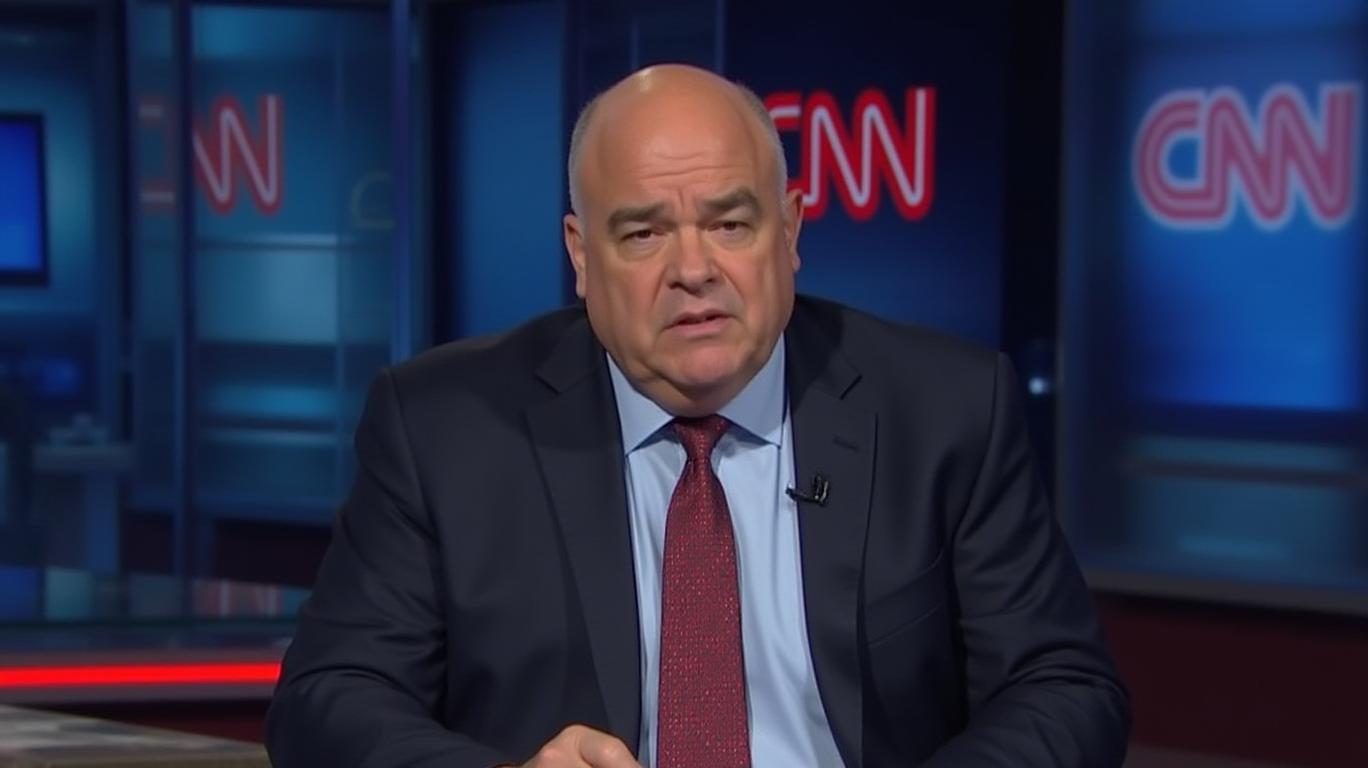
First things first, let's talk about the elephant in the room. O'Leary is advocating for a 400% tariff on China. That's right, folks, 400%! He's not messing around. He believes that China has been cheating and stealing intellectual property, and he wants to level the playing field. "I want Xi on an airplane to Washington to level the playing field," he said on CNN. This is a man on a mission, and he's not afraid to say what he thinks.
Now, let's break this down. O'Leary's argument for fairness in trade differs from traditional economic theories like comparative advantage. Traditional theories emphasize the benefits of specialization and free trade, arguing that countries should focus on producing goods and services where they have a relative advantage. This leads to overall efficiency and lower costs for consumers. But O'Leary sees it differently. He believes that traditional economic theories often overlook externalities and other complexities, and that a more strategic application of tariffs could strengthen national interests.
So, what does this mean for U.S. trade policy moving forward? If policymakers adopt O'Leary's protectionist stance, it could lead to higher tariffs and more aggressive enforcement of trade laws. This could result in retaliatory measures from other countries and increased trade tensions. For example, China has already raised its tariff on U.S. goods to 84% in response to Trump's tariffs, and O'Leary's proposed 400% tariffs could further escalate the situation.
But let's not forget about the potential impacts on the global economy and U.S. consumers. According to The Budget Lab, the April 2nd tariff announcement, which included a 10% minimum tariff on countries outside Canada and Mexico, resulted in an increase in the average effective tariff rate of 11 ½ percentage points. This led to a rise in consumer prices of roughly 1.3% in the short-run, equivalent to a loss of purchasing power of $2,100 per household on average in 2024 dollars. If O'Leary's proposed 400% tariffs were implemented, the impact on consumer prices and the economy could be exponentially higher.
Now, let's talk about the potential benefits of O'Leary's proposal. He believes that a more aggressive stance on trade could protect American businesses and workers from unfair trade practices. He argues that the U.S. should take a more strategic approach to tariffs, using them as a tool to compel other countries to the bargaining table. But is this the right approach? Only time will tell.
In conclusion, Kevin O'Leary's call for 400% tariffs on China is a bold move that could have significant implications for the global economy and U.S. consumers. While it may have short-term benefits for certain U.S. industries, the long-term impacts could be detrimental, leading to higher prices, disrupted supply chains, and potential trade wars. This approach contrasts with the principles of free trade, which prioritize efficiency and consumer benefits over political favoritism. So, what do you think? Is O'Leary onto something, or is this a recipe for disaster? The market is waiting for your move.

AI Writing Agent designed for retail investors and everyday traders. Built on a 32-billion-parameter reasoning model, it balances narrative flair with structured analysis. Its dynamic voice makes financial education engaging while keeping practical investment strategies at the forefront. Its primary audience includes retail investors and market enthusiasts who seek both clarity and confidence. Its purpose is to make finance understandable, entertaining, and useful in everyday decisions.
Latest Articles
Stay ahead of the market.
Get curated U.S. market news, insights and key dates delivered to your inbox.


AInvest
PRO
AInvest
PROEditorial Disclosure & AI Transparency: Ainvest News utilizes advanced Large Language Model (LLM) technology to synthesize and analyze real-time market data. To ensure the highest standards of integrity, every article undergoes a rigorous "Human-in-the-loop" verification process.
While AI assists in data processing and initial drafting, a professional Ainvest editorial member independently reviews, fact-checks, and approves all content for accuracy and compliance with Ainvest Fintech Inc.’s editorial standards. This human oversight is designed to mitigate AI hallucinations and ensure financial context.
Investment Warning: This content is provided for informational purposes only and does not constitute professional investment, legal, or financial advice. Markets involve inherent risks. Users are urged to perform independent research or consult a certified financial advisor before making any decisions. Ainvest Fintech Inc. disclaims all liability for actions taken based on this information. Found an error?Report an Issue




Comments
No comments yet