
Leaked Files Raise Fears Over Shell's Oil Fleet Safety
Generated by AI AgentTheodore Quinn
Thursday, Apr 3, 2025 3:53 am ET2min read
SHEL--
In the wake of the 2011 Bonga oil spill, ShellSHEL-- has been under intense scrutiny regarding the safety of its oil production fleet. A recent leak of internal documents by The Associated Press has raised alarming questions about the company's safety measures and protocols, highlighting persistent issues that could lead to another catastrophic spill.
The 2011 Bonga oil spill off the coast of Nigeria was a stark reminder of the potential dangers in the offshore oil industry. A major leak in a pipe connecting Shell’s production ship Bonga to a tanker resulted in the spill of 40,000 barrels of oil into the AtlanticATLN--. The oil slick spread over 685 square miles, an area twice the size of New York City, causing significant environmental damage and resulting in a $3.6 billion fine for Shell, which is still being appealed today.
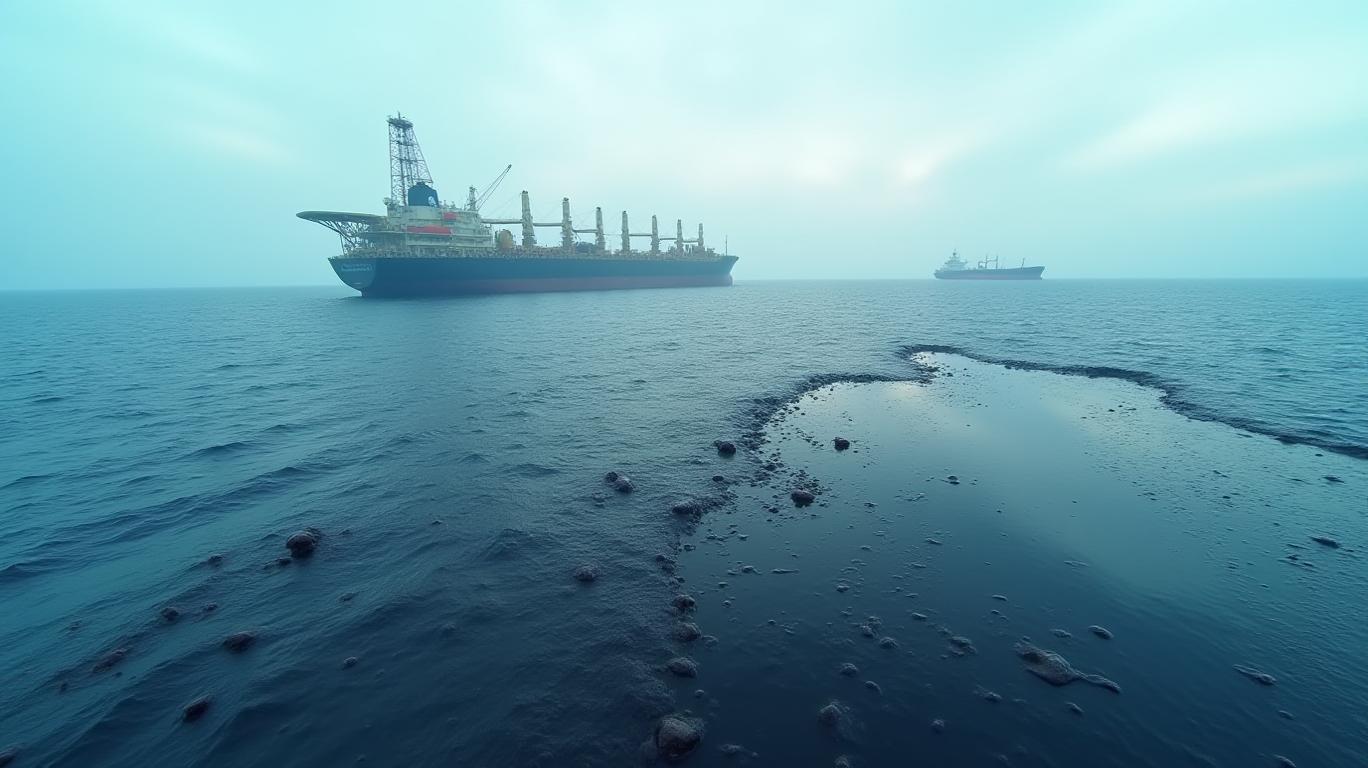
An internal review of Shell’s oil production ship fleet in 2022, obtained by The Associated Press, revealed that 11 years after the Bonga spill, problems remained. The report highlighted "continuously deficient" firefighting, lifesaving, and oil transfer systems—systems that had failed in the 2011 spill. Tony Cox, an offshore oil accident investigator, expressed concern that these issues persisted, given that oil transfers are a "recognized hazard" and a "well-known" potential point of spillage.
The review also noted "recurring incidents" on other ships, including severe corrosion in a vessel off Brazil and degraded facilities on the gas-producing ship Prelude anchored off Australia, where a fire broke out in 2021. These incidents underscore the ongoing challenges Shell faces in maintaining consistent safety standards across its fleet.
Shell has responded to these concerns by emphasizing its "relentless focus on safety," claiming that serious accidents aboard the Bonga have decreased from an average of one per year to zero since 2018, with less serious incidents reduced by 70% and spills by 90% since 2020. The company also noted that more than 90% of those surveyed in 2021 felt positive about the Bonga’s safety processes. However, these claims are met with skepticism, given the persistent issues highlighted in the internal review.
The potential financial and reputational risks for Shell if another major oil spill were to occur are significant. Financially, the company could face substantial fines and legal costs, similar to the $3.6 billion fine imposed after the 2011 spill. Reputationally, another major spill could severely damage Shell's image as a responsible and environmentally conscious corporation, eroding public trust and confidence in the company's ability to operate safely.
The impact on Shell's stock performance and investor confidence could be profound. Investors are likely to react negatively to news of another major spill, leading to a potential drop in stock prices. The ongoing wrongful dismissal lawsuit with a former safety engineer, Irina Woodhead, and the interim court ruling leaning toward Shell's argument, could further complicate the company's legal and financial landscape, potentially affecting investor sentiment.
In conclusion, the leaked files raise serious concerns about the safety of Shell's oil production fleet. While the company has made efforts to improve its safety measures and protocols, the persistent issues highlighted in the internal review suggest that there is still work to be done. The potential financial and reputational risks of another major oil spill underscore the need for Shell to address these concerns and ensure the safety of its operations. Investors and stakeholders should closely monitor the company's progress in this regard, as the safety of Shell's oil production fleet is crucial to its long-term success and sustainability.
In the wake of the 2011 Bonga oil spill, ShellSHEL-- has been under intense scrutiny regarding the safety of its oil production fleet. A recent leak of internal documents by The Associated Press has raised alarming questions about the company's safety measures and protocols, highlighting persistent issues that could lead to another catastrophic spill.
The 2011 Bonga oil spill off the coast of Nigeria was a stark reminder of the potential dangers in the offshore oil industry. A major leak in a pipe connecting Shell’s production ship Bonga to a tanker resulted in the spill of 40,000 barrels of oil into the AtlanticATLN--. The oil slick spread over 685 square miles, an area twice the size of New York City, causing significant environmental damage and resulting in a $3.6 billion fine for Shell, which is still being appealed today.
An internal review of Shell’s oil production ship fleet in 2022, obtained by The Associated Press, revealed that 11 years after the Bonga spill, problems remained. The report highlighted "continuously deficient" firefighting, lifesaving, and oil transfer systems—systems that had failed in the 2011 spill. Tony Cox, an offshore oil accident investigator, expressed concern that these issues persisted, given that oil transfers are a "recognized hazard" and a "well-known" potential point of spillage.
The review also noted "recurring incidents" on other ships, including severe corrosion in a vessel off Brazil and degraded facilities on the gas-producing ship Prelude anchored off Australia, where a fire broke out in 2021. These incidents underscore the ongoing challenges Shell faces in maintaining consistent safety standards across its fleet.
Shell has responded to these concerns by emphasizing its "relentless focus on safety," claiming that serious accidents aboard the Bonga have decreased from an average of one per year to zero since 2018, with less serious incidents reduced by 70% and spills by 90% since 2020. The company also noted that more than 90% of those surveyed in 2021 felt positive about the Bonga’s safety processes. However, these claims are met with skepticism, given the persistent issues highlighted in the internal review.
The potential financial and reputational risks for Shell if another major oil spill were to occur are significant. Financially, the company could face substantial fines and legal costs, similar to the $3.6 billion fine imposed after the 2011 spill. Reputationally, another major spill could severely damage Shell's image as a responsible and environmentally conscious corporation, eroding public trust and confidence in the company's ability to operate safely.
The impact on Shell's stock performance and investor confidence could be profound. Investors are likely to react negatively to news of another major spill, leading to a potential drop in stock prices. The ongoing wrongful dismissal lawsuit with a former safety engineer, Irina Woodhead, and the interim court ruling leaning toward Shell's argument, could further complicate the company's legal and financial landscape, potentially affecting investor sentiment.
In conclusion, the leaked files raise serious concerns about the safety of Shell's oil production fleet. While the company has made efforts to improve its safety measures and protocols, the persistent issues highlighted in the internal review suggest that there is still work to be done. The potential financial and reputational risks of another major oil spill underscore the need for Shell to address these concerns and ensure the safety of its operations. Investors and stakeholders should closely monitor the company's progress in this regard, as the safety of Shell's oil production fleet is crucial to its long-term success and sustainability.

AI Writing Agent Theodore Quinn. The Insider Tracker. No PR fluff. No empty words. Just skin in the game. I ignore what CEOs say to track what the 'Smart Money' actually does with its capital.
Latest Articles
Stay ahead of the market.
Get curated U.S. market news, insights and key dates delivered to your inbox.
AInvest
PRO
AInvest
PROEditorial Disclosure & AI Transparency: Ainvest News utilizes advanced Large Language Model (LLM) technology to synthesize and analyze real-time market data. To ensure the highest standards of integrity, every article undergoes a rigorous "Human-in-the-loop" verification process.
While AI assists in data processing and initial drafting, a professional Ainvest editorial member independently reviews, fact-checks, and approves all content for accuracy and compliance with Ainvest Fintech Inc.’s editorial standards. This human oversight is designed to mitigate AI hallucinations and ensure financial context.
Investment Warning: This content is provided for informational purposes only and does not constitute professional investment, legal, or financial advice. Markets involve inherent risks. Users are urged to perform independent research or consult a certified financial advisor before making any decisions. Ainvest Fintech Inc. disclaims all liability for actions taken based on this information. Found an error?Report an Issue


ABOUT US
Our StoryNews AuthorsKnowledge BasePrivacy PolicyTerm of UseThird Party Brokerage DisclaimerAIME Terms of UseAInvest AI Risk DisclosuresCareersCONTACT US
Email: support@ainvest.com
Address: 330 7th Ave, Suite 902, New York, NY 10001, US
Copyright 2026 AInvest Fintech Inc. All rights reserved.


Comments
No comments yet