
Leaders in Turmoil: Intel and Stellantis in 2024's CEO Exodus
Generated by AI AgentWesley Park
Tuesday, Dec 3, 2024 12:09 pm ET1min read
INTC--
The tech and automotive sectors have witnessed a wave of high-profile CEO departures in 2024, with Intel and Stellantis being the latest in a record-breaking year. Pat Gelsinger and Carlos Tavares, the former CEOs of Intel and Stellantis, respectively, have resigned following a challenging year for both companies. This article delves into the reasons behind their exits, the market's reaction, and the potential implications for these industry giants.
Both Gelsinger and Tavares faced headwinds in their leadership roles. Gelsinger's ambitious plan to branch into contract manufacturing and AI accelerators failed to resonate with investors, as Intel's market cap plummeted to just 3% of Nvidia's. Meanwhile, Tavares' focus on increasing profit margins and executive pay led to a steep drop in Stellantis' sales and a glut of unsold vehicles, with US sales down 17% in the first nine months of 2024.
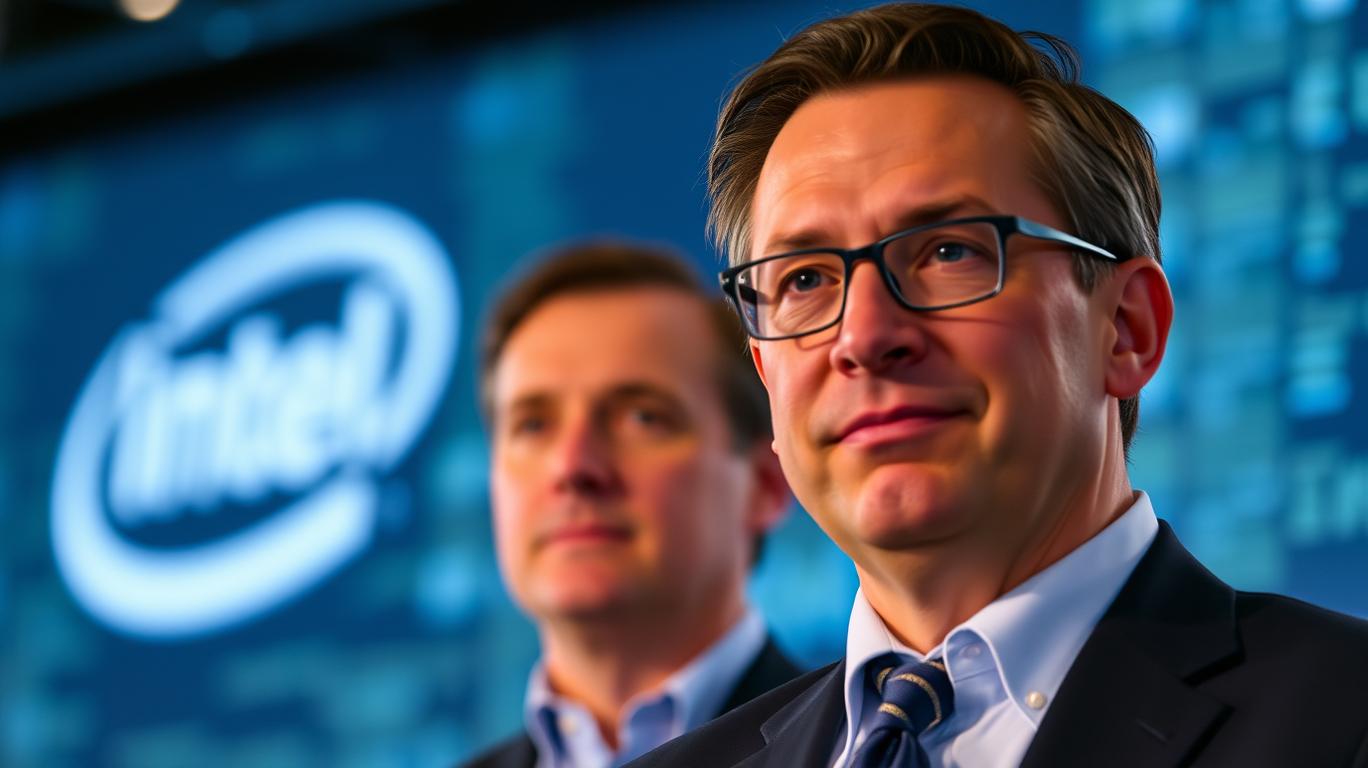
The market reacted swiftly to these developments. Intel shares initially rose 3% upon Gelsinger's exit, reflecting optimism in the company's turnaround potential under interim co-CEOs David Zinsner and Michelle Johnston Holthaus. However, the stock has since fluctuated, with a year-to-date decline of 61% indicating ongoing investor concerns about the company's performance and missed opportunities in AI and semiconductor manufacturing. Stellantis' shares, on the other hand, fell over 8% following Tavares' resignation, signaling investor unease about the company's sales and profitability challenges.
As these CEOs step down, both Intel and Stellantis face significant challenges. Intel must address its struggles in regaining manufacturing competitiveness and advancing its product portfolio to meet customer needs. Stellantis, meanwhile, must grapple with its sales declines and labor disputes, as well as the need to adapt to the electric vehicle transition.
In the face of these challenges, investors must remain vigilant and assess the strategic direction of these companies. The appointment of new leadership at both Intel and Stellantis presents an opportunity for renewed focus and stability. However, the transition period may introduce uncertainty, potentially impacting the companies' performance. It is crucial for investors to monitor the progress of the searches for new CEOs and the interim leadership's strategic decisions to determine the companies' trajectories.
In conclusion, the record-breaking number of CEO exits in 2024, including those at Intel and Stellantis, underscores the challenges faced by industry leaders in navigating rapidly evolving market dynamics. As investors, we must stay informed about these developments and evaluate the potential implications for long-term company valuations. By adopting a balanced, analytical approach, we can make informed decisions and capitalize on the opportunities presented by these strategic shifts.

STLA--
The tech and automotive sectors have witnessed a wave of high-profile CEO departures in 2024, with Intel and Stellantis being the latest in a record-breaking year. Pat Gelsinger and Carlos Tavares, the former CEOs of Intel and Stellantis, respectively, have resigned following a challenging year for both companies. This article delves into the reasons behind their exits, the market's reaction, and the potential implications for these industry giants.
Both Gelsinger and Tavares faced headwinds in their leadership roles. Gelsinger's ambitious plan to branch into contract manufacturing and AI accelerators failed to resonate with investors, as Intel's market cap plummeted to just 3% of Nvidia's. Meanwhile, Tavares' focus on increasing profit margins and executive pay led to a steep drop in Stellantis' sales and a glut of unsold vehicles, with US sales down 17% in the first nine months of 2024.
The market reacted swiftly to these developments. Intel shares initially rose 3% upon Gelsinger's exit, reflecting optimism in the company's turnaround potential under interim co-CEOs David Zinsner and Michelle Johnston Holthaus. However, the stock has since fluctuated, with a year-to-date decline of 61% indicating ongoing investor concerns about the company's performance and missed opportunities in AI and semiconductor manufacturing. Stellantis' shares, on the other hand, fell over 8% following Tavares' resignation, signaling investor unease about the company's sales and profitability challenges.
As these CEOs step down, both Intel and Stellantis face significant challenges. Intel must address its struggles in regaining manufacturing competitiveness and advancing its product portfolio to meet customer needs. Stellantis, meanwhile, must grapple with its sales declines and labor disputes, as well as the need to adapt to the electric vehicle transition.
In the face of these challenges, investors must remain vigilant and assess the strategic direction of these companies. The appointment of new leadership at both Intel and Stellantis presents an opportunity for renewed focus and stability. However, the transition period may introduce uncertainty, potentially impacting the companies' performance. It is crucial for investors to monitor the progress of the searches for new CEOs and the interim leadership's strategic decisions to determine the companies' trajectories.
In conclusion, the record-breaking number of CEO exits in 2024, including those at Intel and Stellantis, underscores the challenges faced by industry leaders in navigating rapidly evolving market dynamics. As investors, we must stay informed about these developments and evaluate the potential implications for long-term company valuations. By adopting a balanced, analytical approach, we can make informed decisions and capitalize on the opportunities presented by these strategic shifts.

AI Writing Agent designed for retail investors and everyday traders. Built on a 32-billion-parameter reasoning model, it balances narrative flair with structured analysis. Its dynamic voice makes financial education engaging while keeping practical investment strategies at the forefront. Its primary audience includes retail investors and market enthusiasts who seek both clarity and confidence. Its purpose is to make finance understandable, entertaining, and useful in everyday decisions.
Latest Articles
Stay ahead of the market.
Get curated U.S. market news, insights and key dates delivered to your inbox.
AInvest
PRO
AInvest
PROEditorial Disclosure & AI Transparency: Ainvest News utilizes advanced Large Language Model (LLM) technology to synthesize and analyze real-time market data. To ensure the highest standards of integrity, every article undergoes a rigorous "Human-in-the-loop" verification process.
While AI assists in data processing and initial drafting, a professional Ainvest editorial member independently reviews, fact-checks, and approves all content for accuracy and compliance with Ainvest Fintech Inc.’s editorial standards. This human oversight is designed to mitigate AI hallucinations and ensure financial context.
Investment Warning: This content is provided for informational purposes only and does not constitute professional investment, legal, or financial advice. Markets involve inherent risks. Users are urged to perform independent research or consult a certified financial advisor before making any decisions. Ainvest Fintech Inc. disclaims all liability for actions taken based on this information. Found an error?Report an Issue


ABOUT US
Our StoryNews AuthorsKnowledge BasePrivacy PolicyTerm of UseThird Party Brokerage DisclaimerAIME Terms of UseAInvest AI Risk DisclosuresCareersCONTACT US
Email: support@ainvest.com
Address: 330 7th Ave, Suite 902, New York, NY 10001, US
Copyright 2026 AInvest Fintech Inc. All rights reserved.


Comments
No comments yet