
U.S. Lawmakers Propose Ban on Crypto Deals by Officials
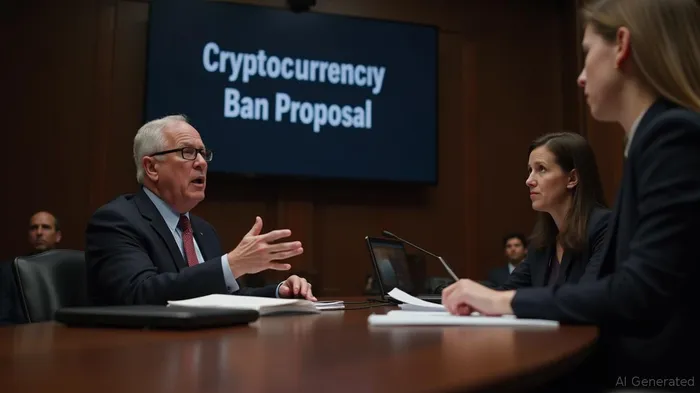
Lawmakers in the U.S. have taken a significant step towards regulating the use of cryptocurrencies by government officials. Senator Adam Schiff has introduced the Curbing Officials’ Income and Nondisclosure (COIN) Act, which aims to prevent high-ranking officials, including the president, vice president, senior executive employees, special government employees, and members of Congress, from issuing, sponsoring, or endorsing digital assets. The proposed ban would be effective from six months before an individual takes office until two years after they leave their position, and it would also apply to their immediate family members.
The COIN Act mandates that public officials include cryptocurrency holdings in their annual financial disclosures and requires periodic reporting on transactions involving these assets. This move is in response to concerns raised by Senator Schiff regarding the ethical, legal, and constitutional issues surrounding Donald Trump's involvement in cryptocurrency deals. Schiff highlighted that Trump’s financial activities have sparked significant scrutiny, particularly his involvement with the decentralized finance (DeFi) platform World Liberty Financial, from which he reportedly earned over $57.3 million. Additionally, Trump’s controversial memecoin, Official Trump, released in 2025, was not listed on his financial disclosure.
The legislation also addresses concerns raised by Ethereum’s founder, who earlier this year described political coins as "vehicles for unlimited political bribery." A letter from a nonprofit consumer advocacy organization to the U.S. Department of Justice and the Office of Government Ethics argued that Trump could be in violation of federal laws regulating gifts to government officials. The president's hosting of the top 220 TRUMP memecoin holders at his private national golf club further exacerbated these concerns, as the event caused the price of the asset to skyrocket.
The COIN Act represents a significant step towards increasing transparency and accountability in the financial dealings of public officials. By prohibiting officials from profiting from digital assets, the legislation aims to prevent potential conflicts of interest and ensure that public service remains a commitment to the nation rather than a means of personal enrichment. The bill's passage would mark a pivotal moment in the regulation of cryptocurrencies and the ethical standards expected of those in public office.
This debate transcends the U.S., potentially inspiring regulatory efforts in other countries. Ethical, legal, and societal concerns surrounding the utilization of crypto assets in the public sphere have increasingly surfaced, prompting more legislative proposals. Recent actions by U.S. lawmakers are seen as moves to limit digital finance’s influence on public administration and safeguard public trust. Whether this particular legislation will be enacted amid high-value gains and political impacts will be determined in the coming period.

Stay ahead of the market.
Get curated U.S. market news, insights and key dates delivered to your inbox.






Comments
No comments yet