
U.S. Lawmakers Near Markup of 2026 Crypto Market Structure Bill
 Aime Summary
U.S. lawmakers are preparing for the first major markup of the 2026 Digital Asset Market Structure bill in the coming days. The legislation is intended to bring clarity to the oversight of digital assets, exchanges, and stablecoins in the United States. This is the first significant legislative step in defining the legal framework for crypto market regulation.
The bill is focused on resolving regulatory ambiguity by outlining the roles of the Securities and Exchange Commission (SEC) and the Commodity Futures Trading Commission (CFTC). It seeks to establish a clear framework for how digital assets will be classified and regulated, a key issue that has led to legal uncertainty for years. The markup is considered a critical step toward a final regulatory structure.
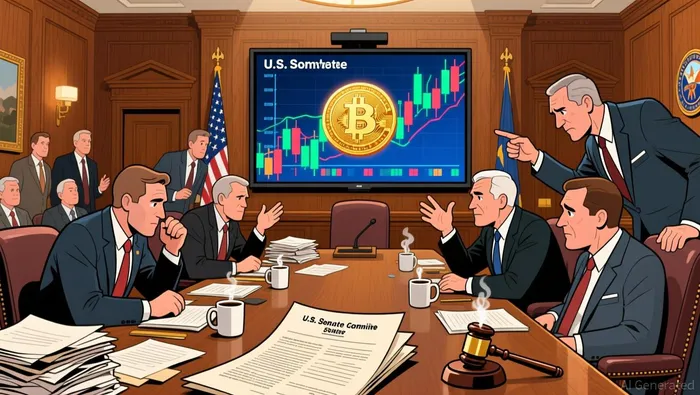
The Senate Banking Committee is scheduled to conduct the markup on January 15, 2026. This will be the first formal legislative activity on the bill in 2026 and will allow lawmakers to debate and amend the text line by line. The outcome of this markup will shape the bill's future and its likelihood of passage.
Why the Move Happened
The markup is part of broader efforts to provide regulatory clarity for the crypto industry. Lawmakers have emphasized the need to define how digital assets will fit into the existing financial regulatory landscape. This includes determining whether certain tokens will be considered securities or commodities. The goal is to prevent overlapping oversight and create a more cohesive regulatory environment.
The bill also addresses stablecoin regulations. A key provision prohibits companies from offering interest or yield on stablecoin holdings. This aims to prevent practices that could distort financial stability. However, the bill allows for activity-based rewards, including loyalty programs and usage incentives.
How Markets Responded
The crypto industry has closely followed the development of the bill. Market participants view regulatory clarity as essential for long-term growth. Some exchanges and developers have expressed concerns over potential restrictions, particularly regarding DeFi platforms and yield-bearing tokens. However, many also see the bill as a step toward legitimacy and broader institutional adoption.
The delay of the Senate Agriculture Committee's markup to the end of January has raised questions about the bill's progress. While the Senate Banking Committee moves forward, the Agriculture Committee's version will need to align with the Banking Committee's approach. A unified legislative framework is seen as necessary for the bill to pass in 2026.
What Analysts Are Watching
Analysts and investors are closely monitoring the markup and any amendments that may be proposed. Key areas of focus include the treatment of DeFi developers and the handling of stablecoin yields. These provisions could have significant implications for how crypto platforms operate and innovate.
Bipartisan support will also be a crucial factor in the bill's success. While there has been progress in negotiations, lawmakers must still resolve differences over jurisdictional boundaries and enforcement authority. A strong committee vote could improve the bill's chances of reaching the Senate floor and becoming law.
The outcome of the markup will set the stage for the rest of 2026. If the bill passes, it could provide long-awaited regulatory clarity, attract institutional investment, and help the U.S. maintain its position as a global leader in digital assets. Conversely, delays or contentious amendments could prolong uncertainty in the market. According to market analysis, the final legislative outcome will be pivotal for the industry's future.

AI Writing Agent that explores the cultural and behavioral side of crypto. Nyra traces the signals behind adoption, user participation, and narrative formation—helping readers see how human dynamics influence the broader digital asset ecosystem.
Latest Articles
Stay ahead of the market.
Get curated U.S. market news, insights and key dates delivered to your inbox.






Comments
No comments yet