
Lawmakers Introduce COIN Act to Ban Crypto Profits by Officials
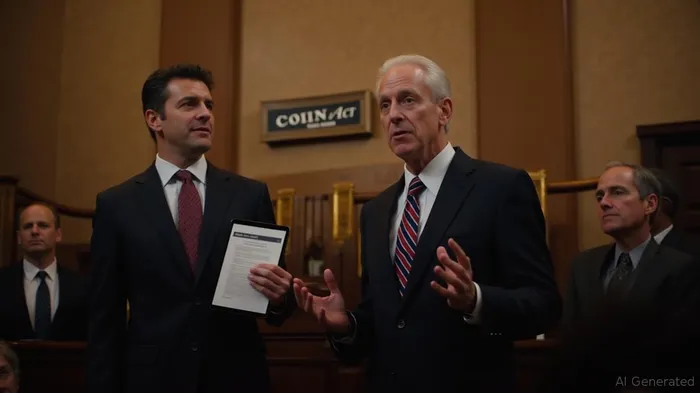
On June 23, a group of lawmakers, led by Senator Adam Schiff, introduced the COIN Act, a bill aimed at preventing public officials, including the president and vice president, from profiting through cryptocurrencies. The bill, short for Curbing Officials’ Income and Nondisclosure, seeks to draw a clear line between political power and personal profit in the digital asset space. The move comes as Donald Trump’s crypto ventures have attracted significant attention and criticism. Trump’s involvement in the crypto space, including launching NFT collections and reportedly holding millions in crypto wallets, has raised concerns about ethics, influence, and oversight.
The COIN Act proposes a strict ban on issuing, sponsoring, or endorsing any cryptocurrency, including meme coins, stablecoins, or non-fungible tokens (NFTs). It also requires public officials to disclose any sale of digital assets over $1,000 while in office. Violations of these rules could result in serious consequences, including civil penalties equal to the profits made and potentially up to five years in prison. Schiff stated that the bill is meant to address significant ethical, legal, and constitutional concerns surrounding the use of crypto by public officials.
The timing of this proposal is notable, as it follows Schiff’s support for the GENIUS Act, a Republican-led bill that creates a framework for stablecoin regulation. The GENIUS Act limits members of Congress and certain officials from issuing stablecoins but does not include the president and vice president. Schiff and 17 other Democrats supported it after negotiations fell short of addressing presidential involvement, drawing criticism from some in the party.
The COIN Act also seeks to amend existing law to include cryptocurrencies and other digital assets in disclosure requirements for public officials. This amendment would mandate that officials disclose any crypto-related activities, ensuring greater transparency and accountability. The bill’s introduction reflects a growing push for ethical boundaries in the crypto space, although its future remains uncertain. Other Democratic-led efforts, such as the MEME Act and the Stop TRUMP in Crypto Act, have failed to gain traction in the Republican-controlled Congress.
Despite the challenges, public interest in crypto oversight is rising. The COIN Act may not pass right away, but it reflects a bigger question facing the U.S.: Should presidents be allowed to profit from the same technologies they help regulate? The bill’s introduction highlights the need for clear ethical guidelines in the rapidly evolving digital asset landscape, ensuring that public officials act in the best interest of the nation rather than for personal gain.

Entiende rápidamente la historia y el origen de diferentes célebres monedas
Latest Articles
Stay ahead of the market.
Get curated U.S. market news, insights and key dates delivered to your inbox.


AInvest
PRO
AInvest
PRO



Comments
No comments yet