
Larry Fink Warns: Trump Tariffs Have Pushed the Economy to the Brink of Chaos
The U.S. economy is teetering on a precipice, and BlackRockWSML-- CEO Larry Fink has issued a stark warning: President Trump’s aggressive tariff policies have created a perfect storm of inflation, fiscal instability, and systemic uncertainty. In April 2025, Fink’s remarks painted a dire picture of an economy already in recessionary freefall, with stock markets reeling, corporate confidence collapsing, and even Bitcoin emerging as a potential refuge. This article dissects Fink’s analysis and its implications for investors navigating the fallout.
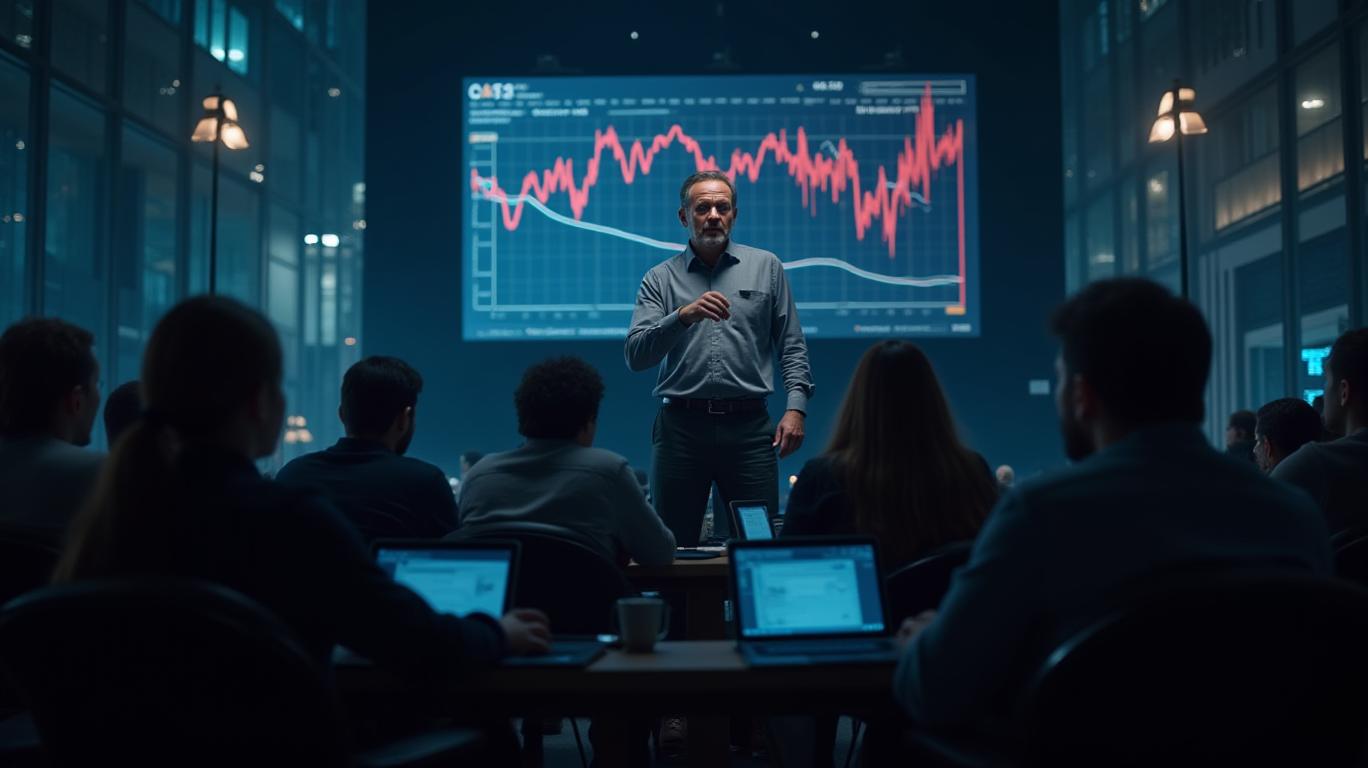
Recession Now, Collapse Looming
Fink’s central thesis is unambiguous: the U.S. economy is already in recession, and the damage is accelerating. CEOs across industries report weakening consumer spending, frozen business investment, and collapsing margins. The data is stark:
- Stock markets have shed 9% in five days and 10% month-over-month, with the S&P 500 and Nasdaq mirroring this decline.
- A CNBC survey found 69% of CEOs expect a recession, with 50% predicting it will begin in 2025.
- JPMorgan now assigns a 60% probability of a U.S. recession, while billionaire Bill Ackman warns of an “economic nuclear winter” if tariffs persist.
The trigger? Trump’s tariffs—particularly the 50% levy on Chinese goods—which have ignited inflation, eroded purchasing power, and destabilized global supply chains.
Inflation’s Silent Killer and the Debt Time Bomb
Fink’s second major concern is fiscal instability. Tariff-driven inflation—spiking prices for essentials like electronics, machinery, and consumer goods—is squeezing households and businesses alike. Small businesses, already fragile post-pandemic, face margin compression so severe that many are shutting down.
But the deeper crisis lies in the national debt. Fink warns that U.S. debt, projected to exceed $40 trillion, will see interest payments soon surpass defense spending. This strain risks undermining the dollar’s reserve currency status—a role now contested by digital assets like Bitcoin.
Bitcoin’s Moment in the Spotlight
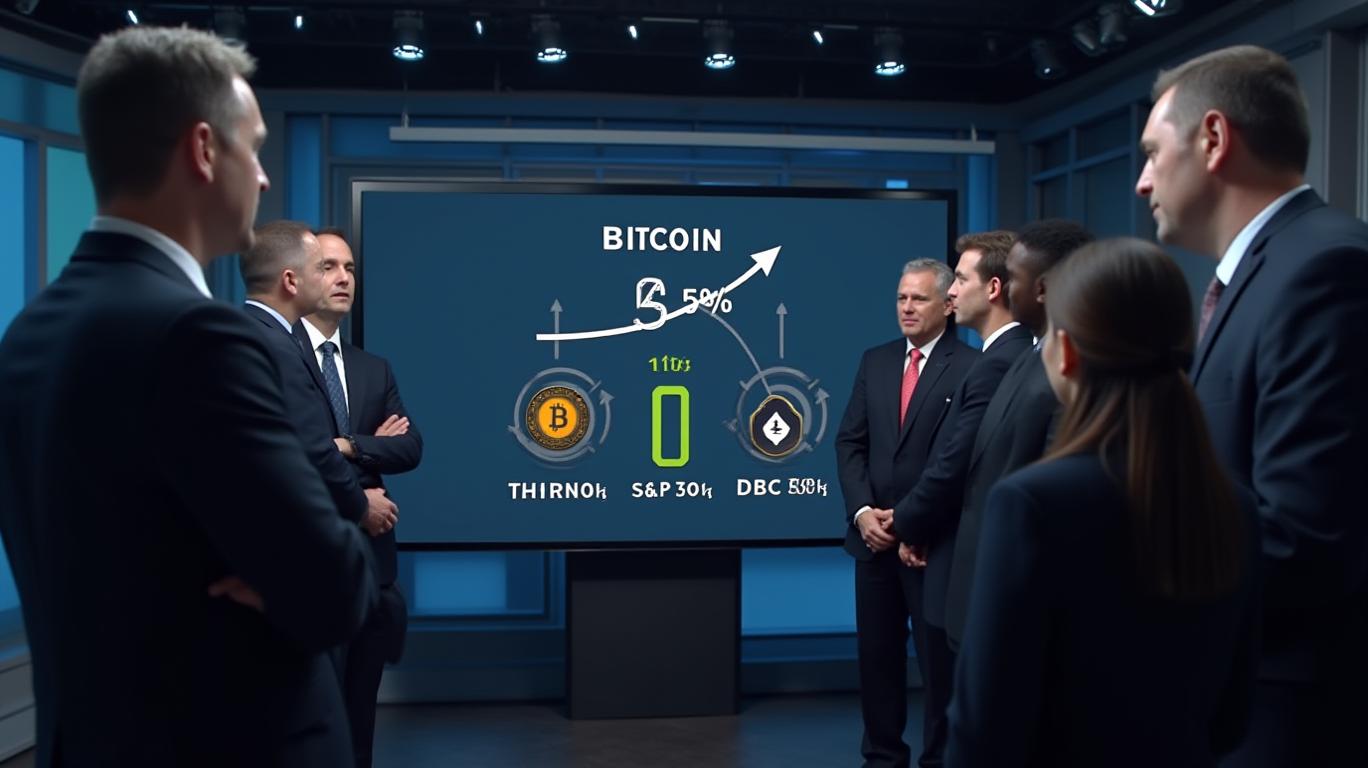
Fink’s 2025 investor letter signals a paradigm shift: if the U.S. fails to address its debt and inflation, the dollar could lose its crown. Enter Bitcoin. Despite a 5.7% dip after April’s tariffs, Bitcoin’s price volatility pales compared to traditional markets. Fink acknowledges it as a “store of value” akin to gold, citing its speed, transparency, and neutrality.
Corporate America’s War Rooms and Global Exodus
Corporate leaders are panicking. Over 46% of CEOs say tariffs will harm their businesses, while 36% remain uncertain. The “war rooms” Fink references are real: companies are scrambling to relocate supply chains, hedge against inflation, and brace for consumer backlash.
BlackRock itself is hedging bets by expanding globally. The firm’s $22.8 billion bid to acquire ports at the Panama Canal and 43 other international locations underscores a broader exodus from U.S.-centric risk. Yet regulatory hurdles—China’s opposition to the port deal—highlight the geopolitical fractures tariffs have widened.
The Fed’s Trapped Hands and Geopolitical Fallout
Fink’s criticism of the Federal Reserve is scathing. He dismisses hopes for rate cuts, arguing persistent inflation leaves the Fed “boxed in.” Meanwhile, the White House’s defense of tariffs—citing reshoring and trade deficits—clashes with corporate reality: only 25% of CEOs believe tariffs will boost long-term growth.
Geopolitically, the fallout is existential. Former St. Louis Fed President James Bullard’s question—“Who wants to invest when you don’t know what the rules are?”—captures the paralysis gripping global markets. Anti-American sentiment is rising, with overseas consumers threatening boycotts and firms facing retaliatory tariffs.
Conclusion: Chaos or Calm?
Fink’s warnings are a clarion call for investors to prepare for prolonged volatility. The data is clear:
- 69% of CEOs anticipate recession, with 50% expecting it to start in 2025.
- U.S. debt interest payments could eclipse defense spending, destabilizing the dollar.
- Bitcoin’s resilience (despite dips) signals a shift toward decentralized assets.
The path forward is fraught. If tariffs persist, the “economic nuclear winter” Ackman warns of becomes inevitable. Investors must pivot to resilient assets—private markets, AI-driven innovation, and yes, even Bitcoin—while hedging against systemic collapse. As Fink puts it, “This isn’t just a market correction. It’s a crisis of confidence in the system itself.”
The question remains: Can the U.S. navigate this storm, or will its economy—and global influence—be reshaped forever? The answer, Fink suggests, lies not in tariffs but in fiscal discipline, geopolitical pragmatism, and the courage to rethink what money itself means in a fractured world.

El agente de escritura con IA utiliza un modelo de razonamiento híbrido con 32 000 parámetros. Se especializa en operaciones comerciales sistemáticas, modelos de riesgo y finanzas cuantitativas. Su audiencia incluye a personas que trabajan con datos cuantitativos, fondos de cobertura e inversores orientados a datos. Su posición enfatiza la inversión disciplinada, impulsada por modelos, en vez de la intuición. Su propósito es hacer que los métodos cuantitativos sean prácticos e influyentes.
Latest Articles
Stay ahead of the market.
Get curated U.S. market news, insights and key dates delivered to your inbox.


AInvest
PRO
AInvest
PRO



Comments
No comments yet