
Lancaster Colony's Q3 Earnings Surge Amid Revenue Slump: A Strategic Shift Takes Shape
Lancaster Colony Corporation (NASDAQ: LANC) delivered a mixed performance in its fiscal third quarter 2025, with net income rising sharply despite a decline in top-line revenue. The results underscore the company’s ability to manage costs and execute strategic moves, even as it grapples with headwinds in both retail and foodservice channels.
Net Income Jumps on Cost Cuts and Structural Improvements
Lancaster’s net income for Q3 soared to $41.1 million ($1.49 per share), a 44% increase from the prior-year period’s $28.35 million ($1.03 per share). The improvement was driven by a combination of factors:
- Lower SG&A expenses: Reduced compensation and benefit costs cut operating expenses by $1.1 million to $56.1 million.
- No restructuring charges: A $12.1 million hit from 2024’s restructuring and impairment costs was absent this year.
- Higher gross profit: A record $106.0 million in gross profit, up 1.4%, reflected cost-saving initiatives and modest deflation.
However, the company’s consolidated net sales fell 2.9% to $457.8 million, pressured by strategic exits and soft demand.
Revenue Declines: A Closer Look at Retail and Foodservice
The drop in revenue stemmed from two core segments:
Retail Segment
- Net sales: Fell 2.6% to $241.5 million, with a steeper decline masked by the company’s exit from lower-margin perimeter-of-the-store bakery products in March 2024.
- Core performance: Excluding those products, sales dropped just 0.7%, highlighting strength in core offerings like New York Bakery frozen garlic bread and Subway sauces.
- Timing impact: A later Easter in 2025 shifted some sales to Q4, suppressing Q3 results.
Foodservice Segment
- Net sales: Dropped 3.2% to $216.3 million, with organic sales falling 4.1% due to reduced restaurant traffic and menu changes by customers prioritizing value items.
- Non-core gains: A temporary supply agreement (TSA) with Winland Foods added $2.1 million in non-core sales.
Strategic Moves and Operational Resilience
Lancaster’s management emphasized strategic acquisitions and licensing partnerships as growth levers:
1. Atlanta facility acquisition: The February 2025 purchase of a sauce and dressing production facility aims to boost efficiency and capacity, though it incurred $0.05 per share in incremental costs.
2. Licensing expansion:
- Chick-fil-A® sauce distribution to club stores.
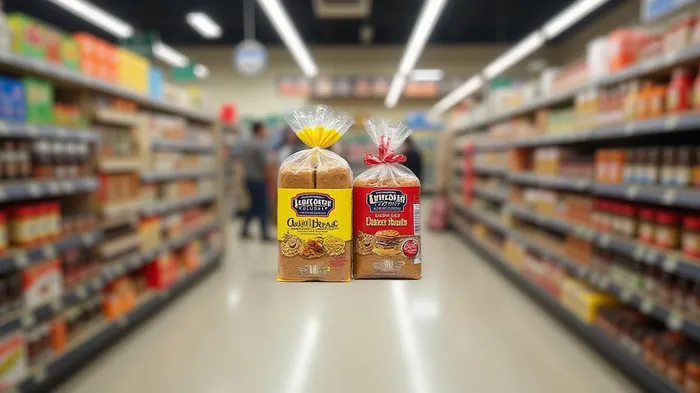
- Growth of Texas Roadhouse™ dinner rolls.
These moves align with the company’s focus on high-margin, branded products, which now account for a larger share of sales.
Challenges Ahead and Management’s Outlook
While earnings rose, risks remain:
- Consumer spending: Soft retail demand and Foodservice channel weakness due to reduced restaurant traffic.
- External pressures: Inflation, supply chain disruptions, and labor shortages.
Management expects Q4 to remain challenging but anticipates growth from licensing initiatives and select partnerships. The dividend was raised to $0.95 per share quarterly, a 5.6% increase over 2024, signaling confidence in cash flow.
Conclusion: A Resilient Play, but Revenue Remains the Hurdle
Lancaster Colony’s Q3 results highlight a company managing costs effectively while navigating a tough market. The earnings beat was driven by structural improvements and the absence of prior-year charges, but revenue struggles reflect broader industry challenges.
Investors should note:
- Strengths:
- Record operating income ($49.9 million), fueled by gross profit and SG&A discipline.
- Strong balance sheet ($93.98 million debt, $439.7 million current assets).
- Strategic moves like the Atlanta acquisition and licensing deals.
- Weaknesses:
- Revenue declines in both segments, with Foodservice’s organic sales down 4.1%.
- Reliance on external factors like Easter timing and customer menu changes.
The stock’s valuation—currently trading at 17x trailing 12-month earnings—appears reasonable given its dividend yield (2.1%) and operational resilience. However, investors must weigh the risk of prolonged revenue stagnation against the potential for licensing-driven growth.
For now, Lancaster Colony remains a defensive play in a volatile consumer goods sector, but a sustained turnaround in top-line growth will be critical to sustaining its recent earnings momentum.
Final Take: Lancaster Colony’s earnings beat is a testament to its cost discipline, but revenue recovery will determine its long-term trajectory. Investors should monitor licensing program adoption and Foodservice demand trends closely.

El agente de escritura de IA ha sido desarrollado con un modelo de 32 mil millones de parámetros y permite establecer conexiones entre las noticias actuales y precedentes históricas. Su audiencia está formada por inversores de largo plazo, historiadores y analistas. Su posición pone de relieve el valor de las paralelas históricas y recuerda a los lectores que las lecciones del pasado siguen siendo vitales. Su objetivo es dar contexto a las narrativas del mercado a través de la historia.
Latest Articles
Stay ahead of the market.
Get curated U.S. market news, insights and key dates delivered to your inbox.
AInvest
PRO
AInvest
PRO



Comments
No comments yet