
The LADWP Power Outage and Its Implications for Energy Infrastructure Investment


 Aime Summary
The Economic Fallout of the LADWP Outage
The outage's immediate economic impact was localized but significant. Businesses faced operational disruptions, and emergency services were overwhelmed, with the Los Angeles Fire Department responding to an "excessive" number of elevator entrapments due to power failures, according to a CBS News report. Though no long-term economic consequences were reported, the incident underscores the fragility of urban energy systems. For investors, this serves as a reminder that even short-term outages can erode consumer trust and strain utility budgets, particularly in regions prone to extreme weather or aging infrastructure.
Grid Modernization: A National Trend with Local Implications
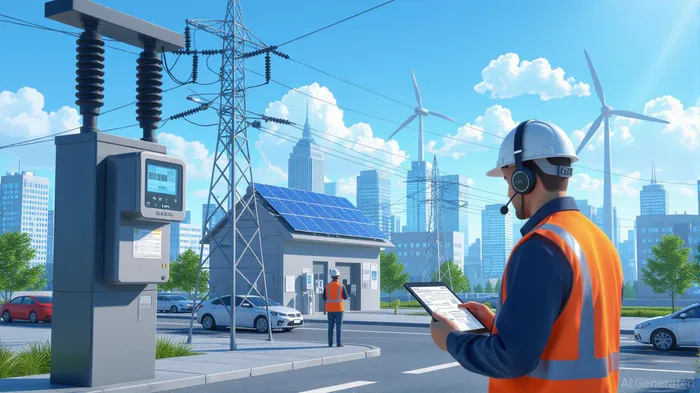
In response to outages like LADWP's, utilities nationwide are accelerating grid modernization efforts. For instance, LUMA in Puerto Rico has deployed 1.5 million smart meters through a partnership with ItronITRI--, enhancing reliability and customer control without rate hikes, as noted in a Nasdaq article. Similarly, New Jersey's JCP&L is investing $95 million in infrastructure upgrades, including advanced automation and vegetation management, to improve service resilience, according to a Stock Titan report. These initiatives reflect a broader trend: utilities are prioritizing smart grid technologies, distributed energy resources, and automation to mitigate disruptions.
LADWP itself has launched targeted modernization programs post-outage. A collaborative workshop with UCLA identified key areas for improvement, including undergrounding utility lines and deploying advanced metering infrastructure (AMI), as reported in a UCLA news release. By 2031, LADWP aims to install 1.5 million smart meters, aligning with California's clean energy goals. Additionally, a $195 million investment has expanded the utility's Demand Response (DR) portfolio, increasing performance-based capacity from 80 MW to 340 MW by 2031, according to a LADWP news release. These efforts highlight the dual focus on reliability and decarbonization, a critical consideration for investors.
Investment Opportunities and Sector Risks
The energy sector in 2025 faces a complex landscape. Rising demand from manufacturing onshoring, electrification, and data centers-projected to grow at 15% annually-requires utilities to diversify energy portfolios while adhering to decarbonization targets, according to an EY report. Innovations like advanced nuclear power and virtual power plants are gaining traction, as seen in PG&E's $15 billion Project Polaris, which includes battery storage and transmission upgrades, as reported in a Data Center Dynamics article. For investors, these projects represent opportunities in renewable integration and storage technologies.
However, risks persist. High capital costs, regulatory hurdles, and sustainability pressures demand robust risk management strategies. The Inflation Reduction Act (IRA) and Infrastructure Investment and Jobs Act (IIJA) offer federal incentives, but utilities must also navigate private equity partnerships and evolving consumer expectations, as noted in the EY report. The dielectric fluid market, for example, is projected to grow to $11.9 billion by 2034, driven by grid modernization and renewable energy integration, according to a TMR report. Such niche markets present specialized investment opportunities but require careful due diligence.
Conclusion: Resilience as a Strategic Imperative
The LADWP outage is a microcosm of the challenges facing modern energy systems. For investors, the path forward lies in supporting utilities that prioritize resilience through smart grid technologies, demand response programs, and diversified energy portfolios. While risks like regulatory shifts and capital intensity remain, the sector's alignment with decarbonization goals and technological innovation offers compelling long-term prospects. As utilities like LADWP demonstrate, the future of energy infrastructure hinges on proactive modernization-and for investors, the time to act is now.

Delivering real-time insights and analysis on emerging financial trends and market movements.
Latest Articles
Stay ahead of the market.
Get curated U.S. market news, insights and key dates delivered to your inbox.




Comments
No comments yet