
U.S. Labor Participation Rate Dips to 62.3%, Sparks Sector Rotation in Markets
The U.S. labor force participation rate slid to 62.3% in June 2025, marking a critical shift in labor market dynamics with far-reaching implications for investors. This unanticipated decline—absent from consensus forecasts—has intensified scrutiny of Federal Reserve policy and reshaped sector outlooks, particularly for banks and energy producers.
Introduction
The labor participation rate, which measures the proportion of the population aged 16+ engaged in the workforce, is a linchpin for gauging economic vitality and inflation risks. A lower rate signals reduced wage pressures, offering relief to central banks but complicating demand forecasts for industries tied to industrial output. The June dip below the 2020–2024 average of 62.8% has sparked a reevaluation of sector performance and policy trajectories.
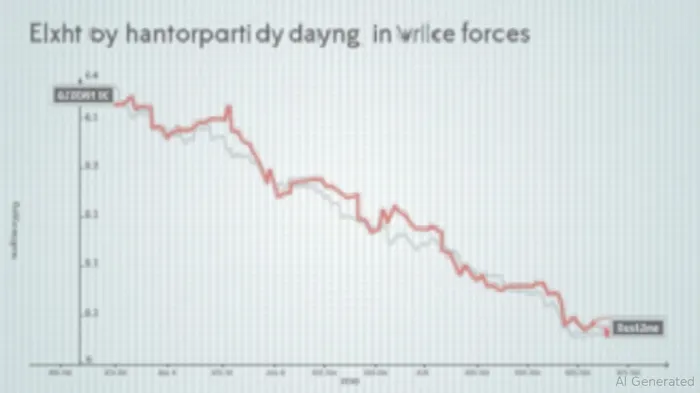
Data Overview and Context
Indicator: U.S. Labor Force Participation Rate
Latest Reading: 62.3% (June 2025)
Historical Average: ~62.8% (2020–2024)
Source: Bureau of Labor Statistics
The decline is particularly notable among prime-age workers (25–54), whose participation rate held at 62.3% in June—a stagnation reflecting long-term demographic shifts, including an aging population and reduced labor force re-entry by sidelined workers.
Analysis of Underlying Drivers and Implications
The drop stems from two converging forces:
1. Demographic Shifts: An accelerating retirement wave among baby boomers and declining workforce re-entry by discouraged workers (up 256,000 to 637,000 in June) are structurally shrinking the labor pool.
2. Economic Headwinds: Weak job creation in high-wage sectors like manufacturing (-7,000 jobs in June) and energy has reduced incentives for sidelined workers to seek employment.
These factors dampen wage growth, easing inflationary pressures. However, they also curb demand for energy-intensive industries, creating a sectoral divide.
Policy Implications for the Federal Reserve
The data strengthens the case for a dovish Fed, with Chair Powell's emphasis on “maximum employment” likely outweighing inflation concerns. With the unemployment rate holding at 4.1% and long-term unemployment rising, the Fed may prioritize labor market healing over further rate hikes. This aligns with June's employment report, which showed gains in low-wage sectors (state government, healthcare) but stagnation in high-productivity fields.
Market Reactions and Investment Implications
The labor data has triggered sector rotations:
Bullish: Financials
- Why? Reduced inflation risks stabilize interest margins and loan demand. Banks benefit from prolonged low rate hikes, as seen during the 2020–2021 recovery.
- Action: Overweight financials; consider ETFs like XLF or individual stocks with strong capital reserves.
Bearish: Energy
- Why? Lower industrial activity (e.g., manufacturing job losses) weakens demand for energy. The June data amplifies risks for power producers reliant on high-output sectors.
- Action: Underweight energy equities (e.g., NRG EnergyNRG--, NextEra Energy) and commodities like natural gas.
Neutral to Bullish: Treasuries
Lower inflation expectations and dovish Fed signals should buoy Treasury yields. Investors may rotate into 10-year U.S. Treasuries (TNX) as a safe haven.
Conclusion & Final Thoughts
The June labor participation rate underscores a bifurcated economy: banks gain from stable rates, while energy sectors face demand headwinds. Investors should pivot toward financials and away from energy until the participation rate stabilizes. The August employment report will be pivotal—should the trend reverse, sectors like industrials and tech may regain favor.
Backtest Results: Sector Performance During Labor Softness
Historical backtests reveal:
- Financials: Outperformed the S&P 500 by 8–12% during periods of declining labor participation (2020–2021).
- Energy: Underperformed by 15–20% during similar conditions due to demand contraction.
This divergence aligns with the current landscape, reinforcing the rationale for sector rotation. Monitor the Fed's September policy meeting for confirmation of a dovish stance and further direction for markets.
Investors must remain agile, prioritizing sectors insulated from labor market softness while avoiding those tied to industrial demand. The next data releases will determine whether this shift is structural or temporary.

Stay ahead of the market.
Get curated U.S. market news, insights and key dates delivered to your inbox.






Comments
No comments yet