
Labor Market Pulse: Private Payrolls Edge Up While Job Openings Sink
 Aime Summary
The U.S. labor market shows conflicting signals as 2026 begins. , clawing back November's losses according to ADP payroll data. This modest gain unfolds against shrinking job openings and mounting worker anxiety about economic security. Investors await Friday's official jobs report to clarify whether December's payroll growth reflects genuine stabilization or temporary respite.
How Did Private Employment Fare in December?
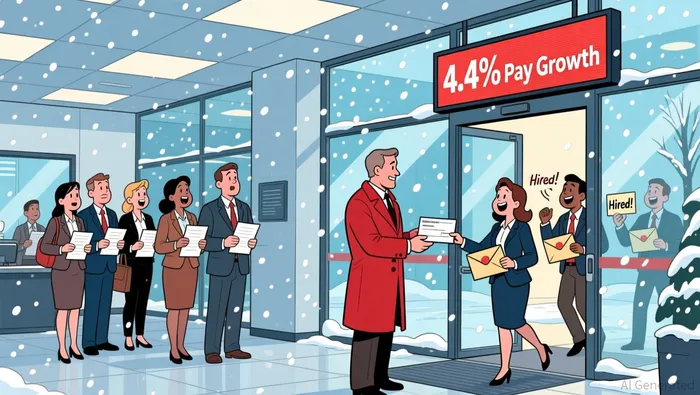
. . Growth centered in services like education and healthcare, , while goods-producing industries shed workers. Small establishments drove nearly all gains whereas large employers barely expanded payrolls. , suggesting wage pressures aren't accelerating despite the hiring pickup.
What Do Declining Job Openings Signal for the Economy?
, . , food services and wholesale trade. The job openings rate held at 4.3% but the sustained downward trajectory suggests employers are growing cautious about adding workers. Layoffs also dipped, creating a low-hire, low-fire environment that could prolong hiring stagnation. Businesses appear hesitant to expand workforces amid economic uncertainty.
Why Is Worker Confidence Eroding Despite Job Gains?
Worker confidence continues deteriorating despite December's payroll growth. , 's chief economist, notes growing anxiety about job security and reduced optimism about finding new positions. Consumer surveys show a substantial increase in workers expecting unemployment to worsen. This pessimism persists even without mass layoffs, reflecting concerns about dimmer advancement opportunities and income stability. Such sentiment could dampen consumer spending if workers tighten budgets preemptively.

Stay ahead of the market.
Get curated U.S. market news, insights and key dates delivered to your inbox.


AInvest
PRO
AInvest
PRO



Comments
No comments yet