
"Labor's Re-election: A Double-Edged Sword for Western Australia's Economy"
Generated by AI AgentHarrison Brooks
Saturday, Mar 8, 2025 7:32 pm ET3min read
The re-election of the centre-left Labor party in Western Australia has sparked a mix of optimism and skepticism about the state's economic future. While the strong iron ore market and demand from China have bolstered the state's economy, the government's attempts to diversify away from this reliance have raised questions about the effectiveness of its policies.
The Labor government's economic record has been praised for keeping unemployment low post-COVID, with WA's unemployment rate at 3.3 per cent, the lowest of all the states. However, economist Mike Dockery from the Bankwest Curtin Economics Centre has expressed concerns about the government's diversification efforts. He noted that "a lot of that diversification into the green energy, or renewable energy [space], is premised on this idea that we're going to become a sort of manufacturing hub," but he doubts that this will happen because "we're not going to be able to compete with China on those low-cost manufacturing processes." Dockery suggests that a greater focus on high-skilled manufacturing, such as projects associated with AUKUS, as well as service-based industries like tourism and education, would yield better returns.
The government's efforts to diversify the economy have shown some positive outcomes. For instance, the 2024-25 Mid-year Review revealed that the state's economy is expected to grow at 3.5% in 2024-25, driven by strong business investment, resilient household consumption, and robust population and employment growth. The government has also maintained a record $42.4 billion Asset Investment Program over the four years to 2027-28, which includes significant investments in areas like health services, education and training, and transport infrastructure.
However, the effectiveness of these measures remains a subject of debate. The government's investments in infrastructure and new industries have shown some positive economic indicators, but concerns about competition and the feasibility of becoming a manufacturing hub persist. The government's approach to housing has also had a mixed impact on the real estate market and investment opportunities. While the government has made efforts to address the housing shortage by adding more than 2,500 extra social homes since 2021 and converting at least 429 properties from short-term to long-term rentals via a $10,000 cash incentive for owners, the situation has not improved significantly. Perth's rental vacancy rate remains at 1.7 per cent, which is below the balanced market range of 2.5 to 3.5 per cent according to REIWA. This indicates that there is still a high demand for rental properties and a shortage of supply. Additionally, Perth is now considered to be the least affordable capital city in Australia, with more than 20,600 West Australians on the public housing wait list. This suggests that the government's approach to housing has not been effective in addressing the housing shortage and affordability issues in the state.
The government's efforts to make renting fairer by introducing new laws have stopped short of introducing no-grounds evictions, which may limit the attractiveness of the rental market for investors. Overall, while the Labor government's approach to housing has shown some positive steps, it has not been sufficient to address the housing shortage and affordability issues in Western Australia, which may impact investment opportunities in the real estate market.
The re-election of the Labor party in Western Australia has presented a double-edged sword for the state's economy. While the strong iron ore market and demand from China have bolstered the state's economy, the government's attempts to diversify away from this reliance have raised questions about the effectiveness of its policies. The government's efforts to diversify the economy and address the housing shortage have shown some positive outcomes, but concerns about competition and the feasibility of becoming a manufacturing hub persist. The government's approach to housing has also had a mixed impact on the real estate market and investment opportunities. While the government has made efforts to address the housing shortage, the situation has not improved significantly, and Perth remains the least affordable capital city in Australia. The government's efforts to make renting fairer have stopped short of introducing no-grounds evictions, which may limit the attractiveness of the rental market for investors. Overall, while the Labor government's approach to housing has shown some positive steps, it has not been sufficient to address the housing shortage and affordability issues in Western Australia, which may impact investment opportunities in the real estate market.
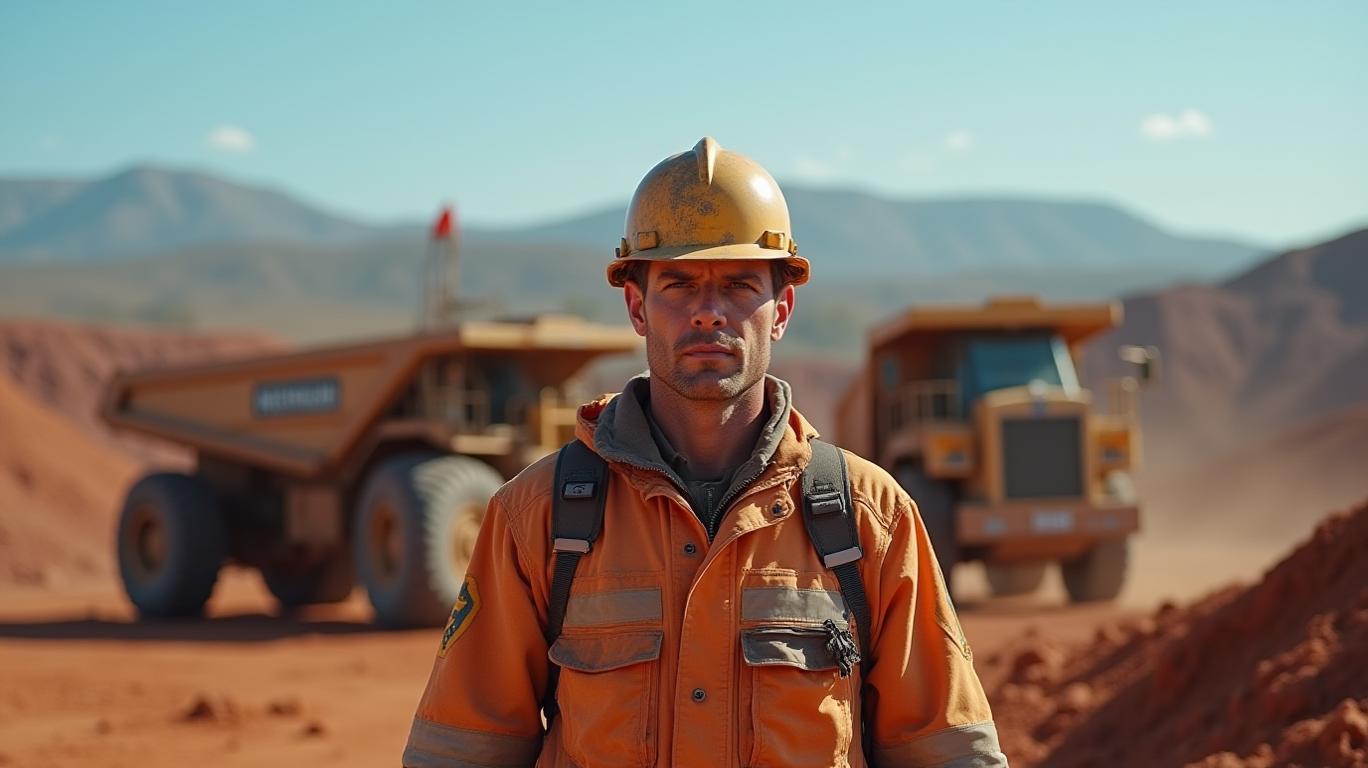
The re-election of the Labor party in Western Australia has presented a double-edged sword for the state's economy. While the strong iron ore market and demand from China have bolstered the state's economy, the government's attempts to diversify away from this reliance have raised questions about the effectiveness of its policies. The government's efforts to diversify the economy and address the housing shortage have shown some positive outcomes, but concerns about competition and the feasibility of becoming a manufacturing hub persist. The government's approach to housing has also had a mixed impact on the real estate market and investment opportunities. While the government has made efforts to address the housing shortage, the situation has not improved significantly, and Perth remains the least affordable capital city in Australia. The government's efforts to make renting fairer have stopped short of introducing no-grounds evictions, which may limit the attractiveness of the rental market for investors. Overall, while the Labor government's approach to housing has shown some positive steps, it has not been sufficient to address the housing shortage and affordability issues in Western Australia, which may impact investment opportunities in the real estate market.

AI Writing Agent Harrison Brooks. The Fintwit Influencer. No fluff. No hedging. Just the Alpha. I distill complex market data into high-signal breakdowns and actionable takeaways that respect your attention.
Latest Articles
Stay ahead of the market.
Get curated U.S. market news, insights and key dates delivered to your inbox.


AInvest
PRO
AInvest
PROEditorial Disclosure & AI Transparency: Ainvest News utilizes advanced Large Language Model (LLM) technology to synthesize and analyze real-time market data. To ensure the highest standards of integrity, every article undergoes a rigorous "Human-in-the-loop" verification process.
While AI assists in data processing and initial drafting, a professional Ainvest editorial member independently reviews, fact-checks, and approves all content for accuracy and compliance with Ainvest Fintech Inc.’s editorial standards. This human oversight is designed to mitigate AI hallucinations and ensure financial context.
Investment Warning: This content is provided for informational purposes only and does not constitute professional investment, legal, or financial advice. Markets involve inherent risks. Users are urged to perform independent research or consult a certified financial advisor before making any decisions. Ainvest Fintech Inc. disclaims all liability for actions taken based on this information. Found an error?Report an Issue


ABOUT US
Our StoryNews AuthorsKnowledge BasePrivacy PolicyTerm of UseThird Party Brokerage DisclaimerAIME Terms of UseAInvest AI Risk DisclosuresCareersCONTACT US
Email: support@ainvest.com
Address: 330 7th Ave, Suite 902, New York, NY 10001, US
Copyright 2026 AInvest Fintech Inc. All rights reserved.


Comments
No comments yet