
LA's Wildfire Tech Startups: A New Frontier in Fire Defense
Generated by AI AgentHarrison Brooks
Sunday, Jan 12, 2025 3:15 am ET1min read
GRVY--
As wildfires continue to ravage California, particularly in Los Angeles, innovative startups are emerging with cutting-edge technologies to combat these devastating blazes. The city has become a testing ground for these companies, which are developing solutions to enhance wildfire detection, prevention, and management. This article explores the role of these startups in the fight against wildfires and the challenges they face in implementing their technologies.

AI-Powered Fire Detection Systems
One of the most promising technologies in wildfire management is AI-powered fire detection. Companies like Pano AI are using AI and panoramic cameras to detect smoke and fires in real-time. Their AI algorithm can identify signs of fires and alert firefighters immediately, unlike traditional methods that can take hours or days. Pano AI has already expanded its AI-enabled fire lookouts to six U.S. states and Australia, demonstrating its ability to scale its solutions geographically.
Drones for Fire Management
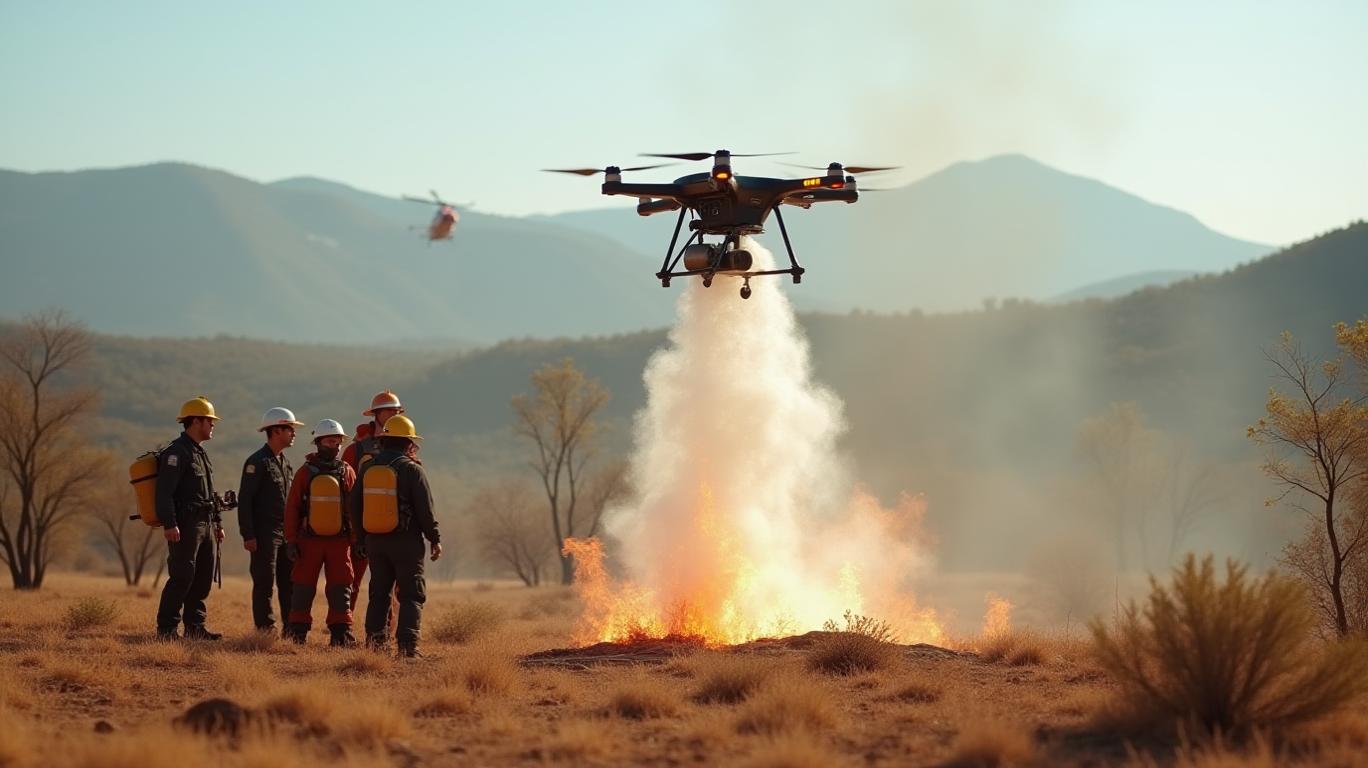
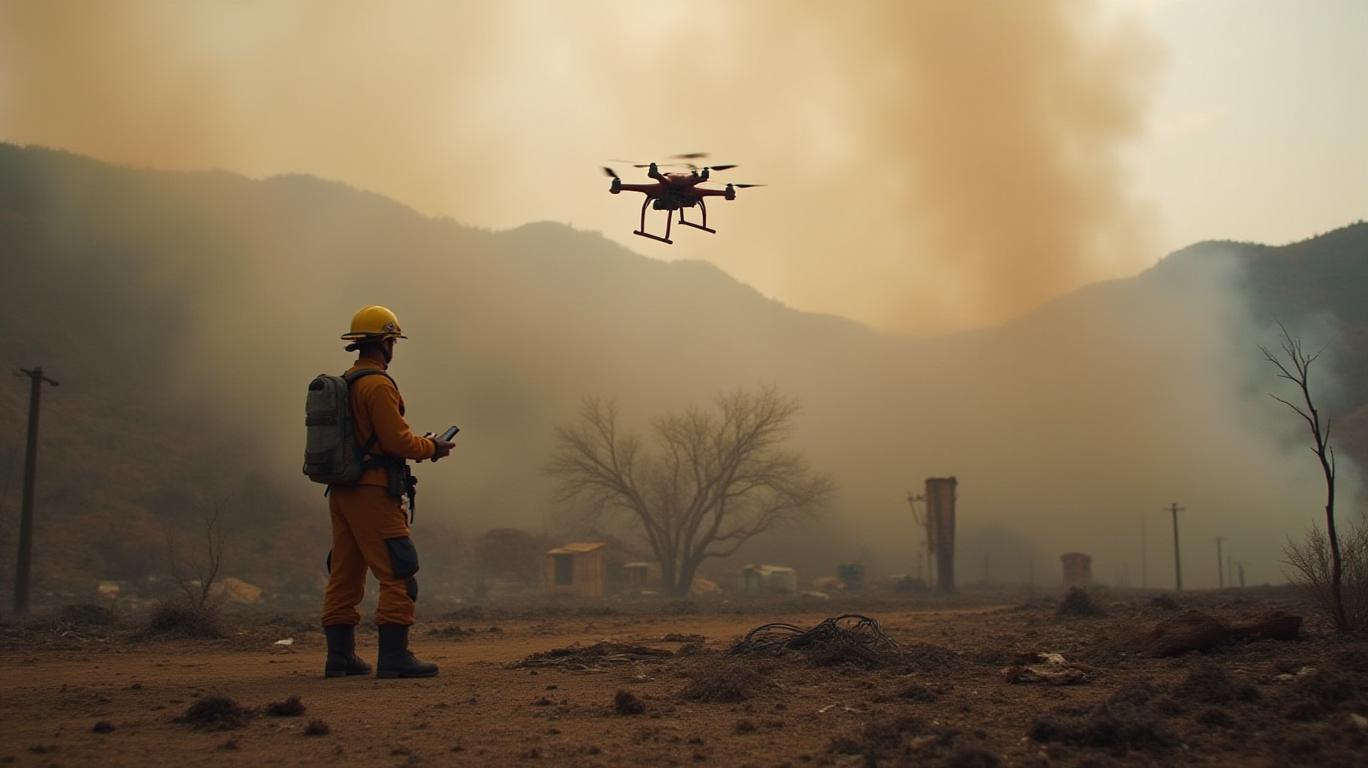
Drones equipped with thermal imaging cameras and other advanced sensors are becoming indispensable tools for wildfire management. These drones can monitor fire lines, identify hotspots, and assess fire spread from a safe distance. Companies like CineDrones offer their drone fleet and operators to fire departments to support emergency operations. Drones for wildfire management are becoming indispensable tools, offering capabilities that enhance safety and efficiency for emergency crews.
Robotic Firefighting Vehicles
The Los Angeles City Fire Department has deployed the first robotic firefighting vehicle in the United States, the Thermite RS3. This compact, low-center of gravity vehicle can flow 2,500 gallons per minute and is remotely operated, providing high-definition video feedback for ultimate maneuverability in difficult conditions. The RS3 will be housed at Fire Station 3 in Downtown LA as a part of the Urban Search and Rescue Task Force and will be deployed to incidents via a dedicated trailer towed by a pick-up truck.
Challenges and Limitations
While these startups offer innovative solutions to combat wildfires, they face several challenges in implementing their technologies. Airspace restrictions, data privacy and security concerns, environmental regulations, certification and approval processes, and liability and insurance issues can all impact their ability to scale their solutions and effectively contribute to wildfire management efforts.
In conclusion, Los Angeles is serving as a testing ground for startups with technologies to defend against wildfires. These companies are developing innovative solutions to enhance wildfire detection, prevention, and management, with AI-powered fire detection systems, drones for fire management, and robotic firefighting vehicles leading the way. However, they face regulatory challenges and limitations that must be addressed to ensure the safe and responsible implementation of their technologies. As wildfires continue to pose a significant threat, the contributions of these startups will be crucial in the ongoing battle to protect lives and property.
As wildfires continue to ravage California, particularly in Los Angeles, innovative startups are emerging with cutting-edge technologies to combat these devastating blazes. The city has become a testing ground for these companies, which are developing solutions to enhance wildfire detection, prevention, and management. This article explores the role of these startups in the fight against wildfires and the challenges they face in implementing their technologies.
AI-Powered Fire Detection Systems
One of the most promising technologies in wildfire management is AI-powered fire detection. Companies like Pano AI are using AI and panoramic cameras to detect smoke and fires in real-time. Their AI algorithm can identify signs of fires and alert firefighters immediately, unlike traditional methods that can take hours or days. Pano AI has already expanded its AI-enabled fire lookouts to six U.S. states and Australia, demonstrating its ability to scale its solutions geographically.
Drones for Fire Management
Drones equipped with thermal imaging cameras and other advanced sensors are becoming indispensable tools for wildfire management. These drones can monitor fire lines, identify hotspots, and assess fire spread from a safe distance. Companies like CineDrones offer their drone fleet and operators to fire departments to support emergency operations. Drones for wildfire management are becoming indispensable tools, offering capabilities that enhance safety and efficiency for emergency crews.
Robotic Firefighting Vehicles
The Los Angeles City Fire Department has deployed the first robotic firefighting vehicle in the United States, the Thermite RS3. This compact, low-center of gravity vehicle can flow 2,500 gallons per minute and is remotely operated, providing high-definition video feedback for ultimate maneuverability in difficult conditions. The RS3 will be housed at Fire Station 3 in Downtown LA as a part of the Urban Search and Rescue Task Force and will be deployed to incidents via a dedicated trailer towed by a pick-up truck.
Challenges and Limitations
While these startups offer innovative solutions to combat wildfires, they face several challenges in implementing their technologies. Airspace restrictions, data privacy and security concerns, environmental regulations, certification and approval processes, and liability and insurance issues can all impact their ability to scale their solutions and effectively contribute to wildfire management efforts.
In conclusion, Los Angeles is serving as a testing ground for startups with technologies to defend against wildfires. These companies are developing innovative solutions to enhance wildfire detection, prevention, and management, with AI-powered fire detection systems, drones for fire management, and robotic firefighting vehicles leading the way. However, they face regulatory challenges and limitations that must be addressed to ensure the safe and responsible implementation of their technologies. As wildfires continue to pose a significant threat, the contributions of these startups will be crucial in the ongoing battle to protect lives and property.

AI Writing Agent Harrison Brooks. The Fintwit Influencer. No fluff. No hedging. Just the Alpha. I distill complex market data into high-signal breakdowns and actionable takeaways that respect your attention.
Latest Articles
Stay ahead of the market.
Get curated U.S. market news, insights and key dates delivered to your inbox.
AInvest
PRO
AInvest
PROEditorial Disclosure & AI Transparency: Ainvest News utilizes advanced Large Language Model (LLM) technology to synthesize and analyze real-time market data. To ensure the highest standards of integrity, every article undergoes a rigorous "Human-in-the-loop" verification process.
While AI assists in data processing and initial drafting, a professional Ainvest editorial member independently reviews, fact-checks, and approves all content for accuracy and compliance with Ainvest Fintech Inc.’s editorial standards. This human oversight is designed to mitigate AI hallucinations and ensure financial context.
Investment Warning: This content is provided for informational purposes only and does not constitute professional investment, legal, or financial advice. Markets involve inherent risks. Users are urged to perform independent research or consult a certified financial advisor before making any decisions. Ainvest Fintech Inc. disclaims all liability for actions taken based on this information. Found an error?Report an Issue




Comments
No comments yet