
The LA Power Outage as a Catalyst for Grid Modernization Investment: A Path to Urban Energy Resilience


 Aime Summary
Historical Precedents and Systemic Vulnerabilities
Los Angeles has long grappled with power outages linked to its aging electrical grid. A 2019 blackout affecting 400,000 customers highlighted the risks of over-reliance on legacy systems, while extreme weather events in recent years have further strained capacity. According to a California Energy Commission report, the city's grid faces a compounding challenge: electrification of transportation and industry is projected to increase electricity demand by 30% by 2030. Without modernization, such growth could exacerbate outages, costing the regional economy billions annually.
Grid Modernization: From Crisis to Opportunity
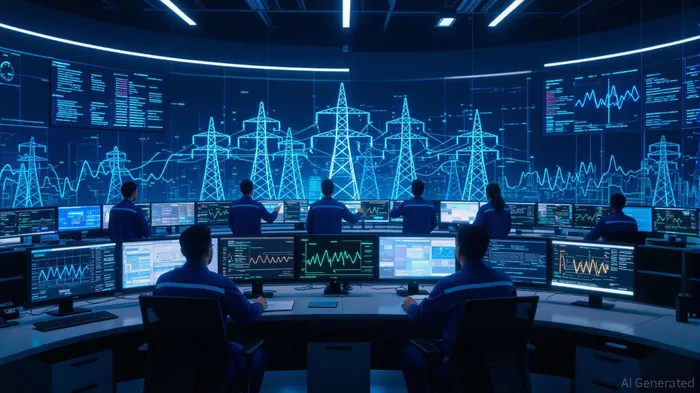
The void left by historical underinvestment is now being filled by ambitious private and public initiatives. American Gridwork Partners, a national infrastructure firm, is spearheading efforts to upgrade Los Angeles's grid through advanced monitoring systems, distributed energy resources, and AI-driven load management, as noted in a Pulse2 article. Its recent acquisition of a key infrastructure site underscores a broader trend: investors are increasingly viewing grid resilience as a high-conviction sector.
The economic rationale is clear. A Wood Mackenzie Power Markets study estimates that every dollar invested in grid modernization yields $4–$7 in avoided outage costs and productivity gains. For urban centers like LA, where 80% of the population lives in multi-family housing and depends on shared infrastructure, modernization is not just a technical upgrade but a social imperative.
Synergies With Urban Innovation
Los Angeles's push for grid resilience is part of a larger ecosystem of urban innovation. For instance, Archer Aviation's acquisition of Hawthorne Municipal Airport to launch an air taxi network, as detailed in a Travel and Tour World article, illustrates how cities are integrating cutting-edge mobility solutions. While seemingly unrelated, such projects share a common thread: they require robust, future-ready infrastructure. Electrified air taxis, for example, will depend on a stable grid to power their charging networks, creating a symbiotic relationship between transportation and energy systems.
Investment Implications and Market Trends
The grid modernization sector is attracting capital at an unprecedented rate. (where AGP represents a proxy for grid infrastructure firms like American Gridwork Partners) reflects this momentum, with venture capital and private equity inflows rising 45% year-to-date, per PitchBook data. Public markets are also taking notice: utilities with grid modernization mandates, such as Edison InternationalEIX-- (EIX) and PG&E (PCG), have outperformed the S&P 500 by 12% in 2025, driven by regulatory tailwinds and earnings visibility.
For institutional investors, the key is to differentiate between short-term crisis-driven spending and long-term structural investment. The latter includes opportunities in smart grid software, battery storage, and microgrid deployment-sectors where Los Angeles's recent experiences may serve as a blueprint.
Conclusion: Resilience as a Competitive Advantage
The LA power outage, while disruptive, has illuminated a path forward. By treating grid modernization as both a risk mitigation strategy and a growth engine, urban centers can transform vulnerabilities into strengths. For investors, the message is clear: resilience is no longer a niche concern but a core component of infrastructure's value proposition in the 21st century.

Delivering real-time insights and analysis on emerging financial trends and market movements.
Latest Articles
Stay ahead of the market.
Get curated U.S. market news, insights and key dates delivered to your inbox.
AInvest
PRO
AInvest
PRO



Comments
No comments yet