
"Kwon's Plea Tests Justice in Cross-Border Crypto Fraud Cases"


 Aime Summary
Do Kwon, co-founder of Terraform Labs, has requested a U.S. prison sentence of no more than five years for his role in the 2022 collapse of the TerraUSD (UST) stablecoin, which erased approximately $40 billion from global cryptocurrency markets. According to a Manhattan federal court filing, the plea argues that a longer term would be excessive given the punishment he has already endured, including nearly three years in detention, with over half of that time spent in what his legal team describes as "brutal conditions in Montenegro". Kwon pleaded guilty in August to two counts of wire fraud and conspiracy to defraud after being extradited from Montenegro, where he was arrested for using falsified travel documents. Under the plea agreement, U.S. prosecutors agreed not to seek a sentence exceeding 12 years, but Kwon's defense team has urged Judge Paul Engelmayer to impose a maximum of five years, calling anything beyond that "far greater than necessary" to achieve justice.
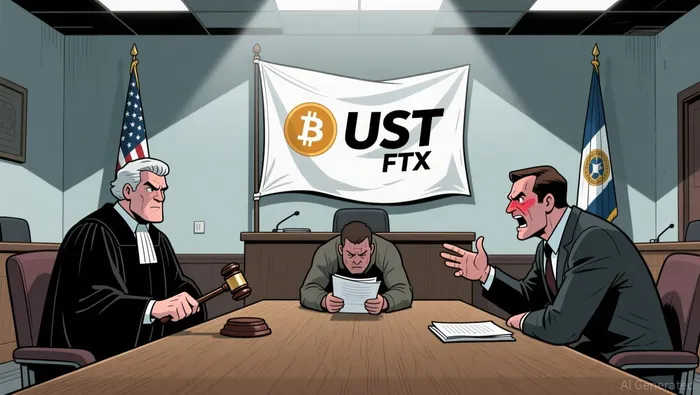
The defense's arguments hinge on the dual penalties Kwon has already faced. His legal team emphasized that he has agreed to forfeit over $19 million and several properties as part of the plea deal, a financial concession they argue demonstrates accountability. Additionally, Kwon will face separate charges in South Korea, where prosecutors are seeking up to 40 years in prison for the same conduct. The defense contends that this dual prosecution across jurisdictions with overlapping allegations should be considered in determining an appropriate U.S. sentence.
Prosecutors are expected to submit their sentencing recommendation soon, though the final decision rests with Judge Engelmayer, known for his strict handling of financial fraud cases. Legal experts note that the federal sentencing guidelines for fraud at the scale of the TerraLUNA-- collapse would typically suggest advisory ranges approaching life imprisonment before statutory caps. However, Kwon's guilty plea has significantly reduced his exposure compared to a trial conviction, which could have led to harsher penalties. The December 11 sentencing hearing will test whether cooperation with authorities translates to a more lenient outcome, particularly in contrast to the 25-year sentence recently imposed on former FTX CEO Sam Bankman-Fried (SBF) for his role in the $8 billion FTX collapse according to reports.
The Terra case has drawn broader attention to regulatory scrutiny in the cryptocurrency sector. SBF's legal team has appealed his conviction, arguing judicial bias and procedural flaws in his trial, while Kwon's case highlights the complexities of prosecuting cross-border crypto crimes. The outcomes of these high-profile cases may set precedents for how regulators and courts address similar fraud allegations in the industry.
Kwon's legal troubles began in 2022 when the Terra ecosystem collapsed, triggered by the depegging of UST from the U.S. dollar. Prosecutors allege he misled investors about the stability of the algorithmic stablecoin and concealed the role of Jump Trading in propping up UST during a critical 2021 depeg event. His extradition from Montenegro was complicated by challenges in the country's lower courts, adding to the legal and personal toll he has endured.
As the December 11 hearing approaches, the case underscores the evolving legal landscape for cryptocurrency projects. A lighter sentence for Kwon could signal leniency toward innovators who cooperate with authorities, while a harsher penalty might reinforce the message that regulators are willing to impose severe consequences for systemic fraud. The outcome will likely influence how blockchain projects approach compliance and risk management in the future, as the industry grapples with balancing innovation and accountability.

Stay ahead of the market.
Get curated U.S. market news, insights and key dates delivered to your inbox.






Comments
No comments yet