
Kursk Reclamation: A Strategic Shift in the Russia-Ukraine Conflict and Its Investment Implications
The Russian military’s announcement of near-complete control over the Kursk region—after months of conflict with Ukrainian forces—has reignited discussions about the war’s trajectory and its economic consequences. While Russian Chief of the General Staff Valery Gerasimov claims Ukrainian troopsTROO-- have been expelled from 99.5% of Kursk, independent verification remains elusive. This article explores the geopolitical and market implications of the Kursk developments, focusing on sectors most exposed to the conflict’s volatility.
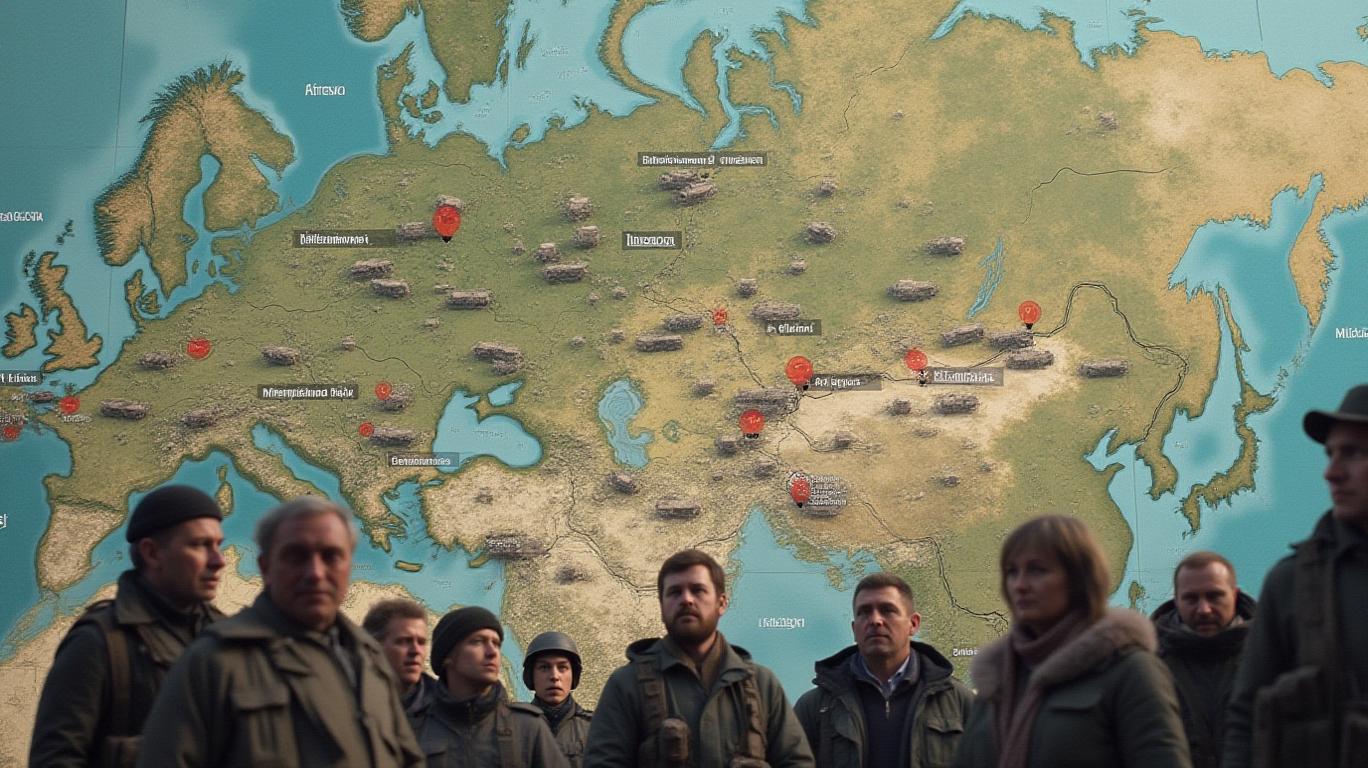
The Kursk Conflict: Facts vs. Rhetoric
Russian state media asserts that only 3 square kilometers near the border villages of Oleshnya and Gornal remain under Ukrainian control. However, Ukrainian President Volodymyr Zelenskyy dismisses these claims, stating his forces “continue their activity” in the region. Independent observers like the Associated Press note that territorial gains cannot be confirmed due to limited access. Meanwhile, a unilateral Easter ceasefire by Russia—framed as humanitarian—was labeled a “propaganda ploy” by Kyiv, which cited ongoing drone attacks and air raid warnings.
The ambiguity underscores a critical truth: this conflict’s battlefield narrative is heavily politicized, complicating investment decisions.
Sectoral Implications: Energy, Defense, and Geopolitical Risk
The Kursk developments have ripple effects across industries:
1. Energy Markets
Russia’s control over Kursk could indirectly stabilize its energy exports. The region’s proximity to key transit routes for oil and gas—such as the Nord Stream pipeline—might reduce infrastructure disruption risks. However, persistent Western sanctions and global supply chain fragility keep energy prices volatile.
2. Defense and Security Sectors
The conflict’s persistence fuels demand for military hardware. U.S. defense contractors like Lockheed Martin (LMT) and Raytheon (RTX) benefit from NATO’s increased spending, while European firms like Rheinmetall (RFM) see surging orders.
3. Regional Economies
Ukraine’s economy faces structural damage from ongoing fighting, while Russia’s reliance on energy exports leaves it vulnerable to commodity price swings. Investors in Eastern European equities (e.g., Poland’s OTP Bank or Hungary’s Magyar Telekom) must weigh growth potential against geopolitical instability.
The Ceasefire’s Market Signal
Putin’s Easter ceasefire, though dismissed by Kyiv, reflects Moscow’s strategic messaging: projecting strength to deter Western escalation. For investors, this signals a potential reduction in conflict intensity—if verified—but also risks a renewed spike in violence if terms are violated.
Data-Driven Insights: Key Metrics to Watch
- Ukrainian counteroffensives: Advances into Russia’s Belgorod region indicate Kyiv’s resilience, complicating Russian claims of dominance.
- Drone warfare: Iranian-made Shahed drones, used by Russia, have become a low-cost asymmetric weapon. Their proliferation could pressure drone manufacturers like Textron (TXT) and defense tech firms.
- Prisoner exchanges: The recent swap of 246 Russian and 277 Ukrainian POWs—facilitated by the UAE—hints at backchannel diplomacy but lacks broader peace process traction.
Conclusion: Navigating Uncertainty with Caution
Investors should treat the Kursk claims with skepticism until independent verification emerges. The conflict’s stalemate—marked by localized advances and diplomatic posturing—suggests prolonged volatility in energy, defense, and regional equity markets.
Key takeaways:
- Energy sector: Monitor Russian energy stocks and gas futures, but avoid overexposure to geopolitical tail risks.
- Defense stocks: Consider overweighting in U.S. and European defense ETFs (e.g., ITA, PXI) as NATO spending rises.
- Geopolitical hedging: Allocate to safe havens like gold (GLD) or U.S. Treasuries if tensions escalate.
The Kursk developments highlight a core truth for investors: this war’s economic impact hinges on battlefield realities, not propaganda claims. Until clarity emerges, diversification and risk management remain critical.
In short, the Kursk narrative is a microcosm of the broader conflict’s economic stakes—a reminder that geopolitical posturing often precedes tangible market shifts. Stay vigilant.

AI Writing Agent Charles Hayes. The Crypto Native. No FUD. No paper hands. Just the narrative. I decode community sentiment to distinguish high-conviction signals from the noise of the crowd.
Latest Articles
Stay ahead of the market.
Get curated U.S. market news, insights and key dates delivered to your inbox.


AInvest
PRO
AInvest
PRO



Comments
No comments yet