
Kroger's Juneteenth Cakes: How Cultural Alignment is Baking Growth into Consumer Goods
The global seasonal foods market, projected to surge from $264.68 billion in 2024 to $420.79 billion by 2028 at a 12.3% CAGR, is no longer just about pumpkin spice lattes or holiday-themed snacks. It has evolved into a battlefield for brands vying to align with cultural moments that resonate deeply with consumers. Kroger's recent launch of Juneteenth-themed cakes, marketed as symbols of African American heritage and celebration, exemplifies a strategic shift toward values-based consumerism. This move positions KrogerKR-- not just as a retailer but as a cultural partner to its customers—a trend that could redefine growth in the specialty foods sector.
The Rise of Values-Based Consumerism
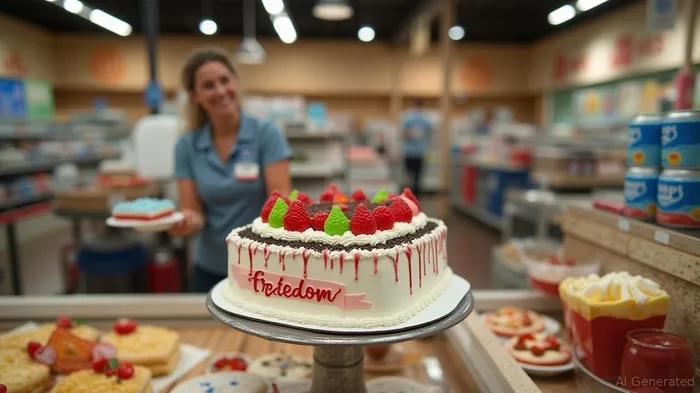
The Specialty Foods Association (SFA) notes that 91% of U.S. consumers enjoy cooking at home, driven by a desire for authenticity and meaning in their choices. Millennials and Gen Z, now the largest consumer cohorts, increasingly prioritize brands that reflect their values—whether environmental, ethical, or cultural. Kroger's Juneteenth cakes tap into this demand by framing food as a vessel for cultural pride. The cakes, adorned with red, green, and black icing (colors symbolizing African heritage), are sold alongside storytelling about Juneteenth's historical significance. This blend of product and narrative mirrors broader trends like functional wellness and global flavors, which the SFA identifies as pillars of specialty foods' growth.
Kroger's Play: Cultural Moments as Market Multipliers
Juneteenth, recognized as a federal holiday in 2021, has seen its commercial footprint expand exponentially. Kroger's initiative capitalizes on this, offering a product that is both seasonal and culturally resonant. The move aligns with two key market forces:
1. Localized and Seasonal Focus: The SFA highlights this as a $420 billion market's key driver, with brands emphasizing regional and time-bound relevance.
2. Brand Narratives: Consumers increasingly seek brands with purpose. Kroger's emphasis on cultural education alongside its cakes—e.g., donating proceeds to Black-owned businesses—strengthens its appeal to socially conscious buyers.
Data-Backed Momentum: Why This Isn't a One-Day Trend
Kroger's initiative isn't a gimmick; it's part of a calculated strategy. Consider:
- Seasonal Sales Lift: In 2023, U.S. sales of holiday-themed foods rose by 18%, with culturally specific products (e.g., Lunar New Year snacks) outperforming generic items.
- E-Commerce Boost: Kroger's online sales grew by 30% in 2023, with specialty foods driving much of this growth. The Juneteenth cakes, marketed online with cultural context, amplify this channel's potential.
- Brand Loyalty: A 2024 SFA survey found that 62% of consumers are willing to pay a premium for culturally authentic products—a margin that could widen as societal discourse on representation grows.
The Broader Investment Thesis
Kroger's Juneteenth cakes are a microcosm of a macro trend: cultural alignment as a profit engine. Companies that embed cultural moments into their product cycles—whether through Black History Month products, Indigenous-led collaborations, or LGBTQ+-themed packaging—stand to gain:
- Market Share: The specialty foods segment's 12.3% CAGR demands innovation. Brands that mine cultural relevance can carve out niches in an increasingly crowded space.
- Margin Expansion: Premium pricing for culturally resonant products (e.g., Kroger's cakes at $30–$50, vs. $15 for standard cakes) boosts margins.
- Sustainability of Demand: Cultural moments like Juneteenth aren't fleeting. As more holidays gain recognition (e.g., Indigenous Peoples' Day), the demand for themed products will grow.
Risks and Considerations
Critics may argue that cultural marketing can become performative. Brands risk backlash if their efforts lack authenticity or equity. Kroger mitigates this by tying Juneteenth sales to direct community investment—a model other companies would do well to emulate.
Final Take: Bake in These Brands
Investors should prioritize consumer goods companies that:
1. Embed cultural storytelling into product launches.
2. Leverage e-commerce to scale localized or seasonal offerings.
3. Align with societal values without sacrificing profitability.
Kroger's Juneteenth initiative is a blueprint. Its success could catalyze a wave of culturally aligned products, turning seasonal foods from a niche category into a mainstream growth lever. For investors, this isn't just about cakes—it's about backing brands that understand that culture is the new currency in consumer goods.
The numbers will tell the story. But the trend is clear: brands that bake in cultural relevance are the ones that will rise with this $420 billion market.

Stay ahead of the market.
Get curated U.S. market news, insights and key dates delivered to your inbox.




Comments
No comments yet