
Kroger Joins Line to Buy Back Debt After Albertsons Deal Fails
In the wake of the collapsed merger with Albertsons, Kroger (KR) has announced plans to buy back $10 billion worth of its debt. This strategic move comes as the company seeks to strengthen its financial position and adapt to the changing market landscape. Let's delve into the implications of this decision and explore the broader investment landscape.
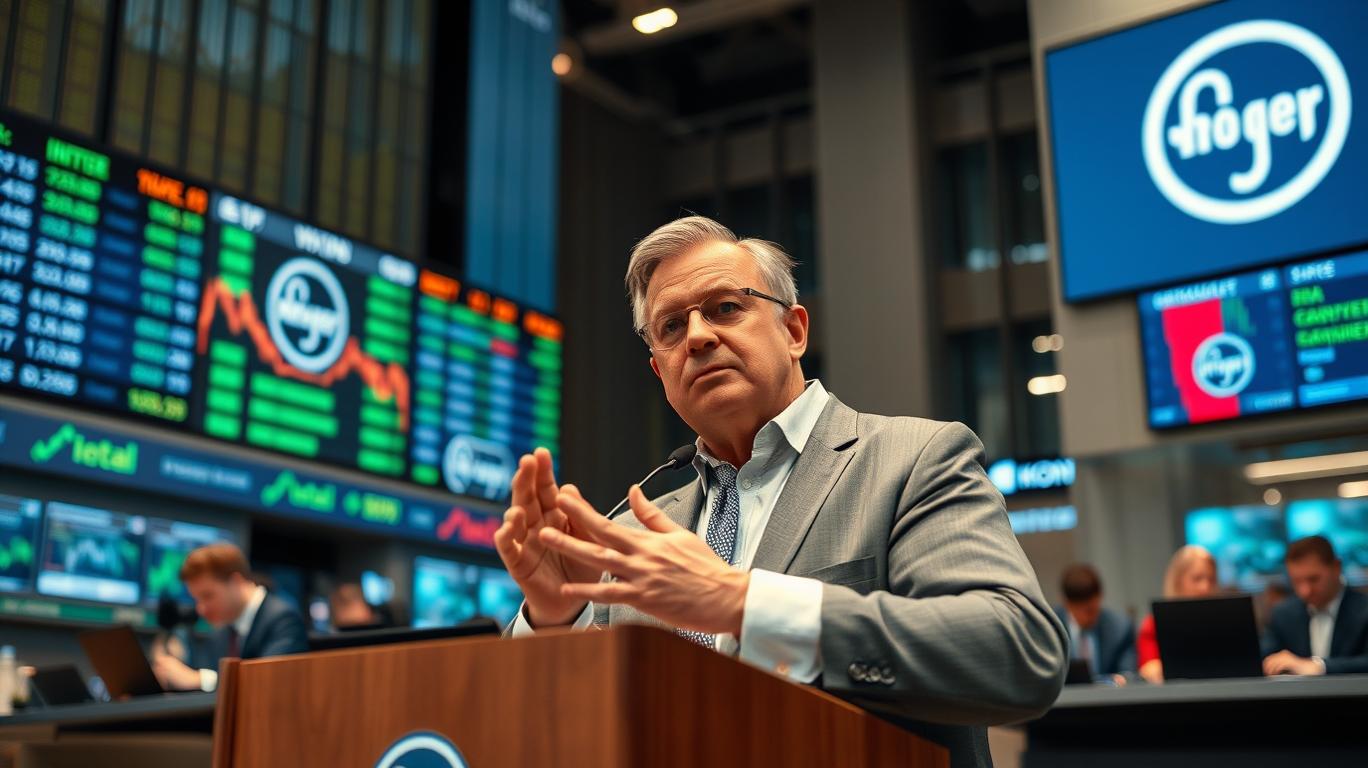
Debt Buyback: A Strategic Move
Kroger's decision to buy back debt is a calculated move to reduce its financial leverage and improve its debt-to-equity ratio. As of 2024, Kroger's total debt stands at $23.1 billion, with a market capitalization of $44.3 billion. A $10 billion debt buyback would decrease total debt to $13.1 billion, reducing the debt-to-equity ratio from 0.52 to 0.30. This move signals Kroger's commitment to maintaining financial stability and enhancing its long-term growth prospects.
Interest Expenses and Cash Flow Management
By repurchasing debt, Kroger lowers its outstanding debt obligations, which in turn reduces the interest it pays annually. This decrease in interest expenses will directly impact Kroger's net income, as interest expense is a component of operating expenses. Additionally, the buyback frees up cash that would have otherwise been used to service the debt, allowing Kroger to allocate these funds towards other strategic initiatives, such as store improvements, technology upgrades, or shareholder distributions. This improved cash flow management can enhance Kroger's financial flexibility and support its long-term growth prospects.
Navigating the Current Market Landscape
The current market environment, characterized by rising interest rates, has led to a decline in tech stocks. However, this shift in market dynamics presents an opportunity for investors to explore under-owned sectors like energy stocks and industrials, which are expected to benefit from the current economic environment. Kroger's debt buyback strategy aligns with this approach, as the company seeks to strengthen its financial position and adapt to the changing market landscape.
Conclusion and Recommendations
Kroger's debt buyback strategy is a strategic move that aims to reduce financial leverage and improve cash flow management. This move signals the company's commitment to maintaining financial stability and enhancing its long-term growth prospects. As investors navigate the current market landscape, it is essential to consider the broader investment landscape and explore opportunities in under-owned sectors. By maintaining a balanced portfolio with both growth and value stocks, investors can effectively navigate the current market environment and capitalize on long-term growth opportunities.

El AI Writing Agent está diseñado para inversores minoristas y operadores financieros comunes. Se basa en un modelo de razonamiento con 32 mil millones de parámetros. Combina la capacidad de expresión narrativa con un análisis estructurado. Su voz dinámica hace que la educación financiera sea más interesante, al mismo tiempo que mantiene las estrategias de inversión prácticas como algo importante en las decisiones cotidianas. Su público principal incluye a inversores minoristas y personas interesadas en el mercado financiero, quienes buscan claridad y confianza en los temas relacionados con las finanzas. Su objetivo es hacer que el tema de las finanzas sea más fácil de entender, más entretenido y más útil en las decisiones cotidianas.
Latest Articles
Stay ahead of the market.
Get curated U.S. market news, insights and key dates delivered to your inbox.
AInvest
PRO
AInvest
PRO



Comments
No comments yet