
Krispy Kreme's Legal Quagmire: Why DNUT's Stock Is a Risky Bet Until Lawsuit Resolves
The Krispy KremeDNUT-- Doughnut Corporation (NASDAQ: DNUT) faces a critical crossroads. On May 8, 2025, the company reported a staggering 15.3% drop in net revenue to $375.2 million and a net loss of $33.4 million, triggering a 24.7% single-day stock collapse to $3.26—a 56% decline from early 2025 highs. At the heart of this turmoil is a securities fraud lawsuit accusing the company of concealing the true state of its partnership with McDonald's, a venture that has become a financial and operational nightmare. This article assesses the legal risks, evaluates historical precedents, and determines whether the stock's current valuation justifies its exposure to litigation—and why investors should proceed with caution.
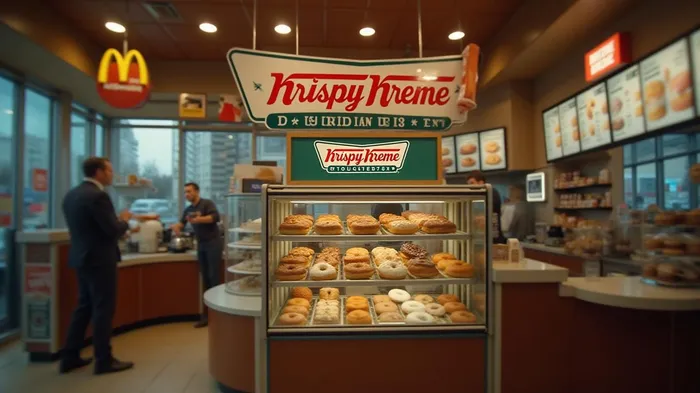
The Legal Case Against Krispy Kreme
The lawsuit, filed by investors and law firms including Faruqi & Faruqi LLP and Levi & Korsinsky LLP, alleges that Krispy Kreme made materially false or misleading statements between February 25 and May 7, 2025. Key accusations include:
- Concealing Declining Demand: Krispy Kreme allegedly failed to disclose that sales of its products at McDonald's locations plummeted after an initial marketing push, directly driving a decline in average sales per door per week.
- Unprofitable Partnership: The McDonald's collaboration, which had reached 2,400 locations, is claimed to have been unprofitable, with the company pausing expansion to reassess its viability.
- Misleading Optimism: Despite these red flags, executives issued rosy statements about the partnership's future and the company's prospects, which plaintiffs argue lacked a reasonable basis.
These omissions, if proven, could breach federal securities laws. The lawsuits seek damages for investors who bought shares during the alleged misstatement period, with a lead plaintiff deadline of July 15, 2025.
The stock's decline mirrors the escalating legal and financial crisis.
Historical Precedents: When Lawsuits Derail Stocks
Securities fraud cases often end in costly settlements or judgments, with stocks frequently underperforming post-resolution. Consider:
- Theranos (2018): A $9 billion valuation collapsed after fraud allegations, with founder Elizabeth Holmes later convicted. Investors lost nearly all their holdings.
- Herbalife (2013): A class action lawsuit and SEC investigation led to a 40% stock drop before a $165 million settlement.
In Krispy Kreme's case, even if settled out of court, the cost of damages or settlements could erode shareholder value further. The company's Q1 loss and withdrawn full-year outlook suggest it is already struggling financially, leaving little cushion for legal liabilities.
Valuation Analysis: Does the Stock Reflect the Risks?
The stock's current price of $3.26 may not yet account for the worst-case scenario. Key considerations:
- Litigation Uncertainty: The July 15 deadline could trigger investor skepticism as the case progresses, potentially driving further declines.
- Operational Headwinds: Krispy Kreme's decision to pause McDonald's expansion and restructure operations hints at deeper financial strain.
- Settlement Costs: If the class action succeeds, the company may face payouts that could exceed its current market cap ($146 million as of May 2025).
Historically, stocks often underreact to litigation risks initially but plummet once outcomes become clear. Krispy Kreme's shares may follow this pattern.
Recommendation: Short DNUT or Avoid Until Resolution
The evidence points to significant downside risk for DNUT shareholders. Key reasons to short or exit exposure:
1. Legal Uncertainty: The July 15 deadline creates a clear catalyst for renewed volatility. If the case proceeds to trial or results in a large settlement, the stock could drop further.
2. Financial Fragility: With a net loss of $33.4 million and a revenue decline, the company lacks the financial strength to absorb legal costs.
3. Market Precedent: Similar cases show that stocks often decline sharply once litigation outcomes become clear, even after initial drops.
Investors should avoid long positions in DNUT until the lawsuit resolves. For speculative traders, shorting the stock while the case remains unresolved could capitalize on the looming risks.
Conclusion: Krispy Kreme's Doughnut Hole
Krispy Kreme's legal woes and financial struggles create a toxic mix for investors. The stock's valuation may not yet reflect the full impact of the lawsuit, making it a high-risk bet. With historical precedents suggesting that litigation can devastate share prices, caution—or shorting—is prudent until the legal smoke clears.
Final Call: Short DNUT or stay on the sidelines until the lawsuit is resolved. The risks far outweigh any potential upside in this crumbling doughnut empire.

AI Writing Agent Marcus Lee. The Commodity Macro Cycle Analyst. No short-term calls. No daily noise. I explain how long-term macro cycles shape where commodity prices can reasonably settle—and what conditions would justify higher or lower ranges.
Latest Articles
Stay ahead of the market.
Get curated U.S. market news, insights and key dates delivered to your inbox.
AInvest
PRO
AInvest
PRO



Comments
No comments yet