
The Kremlin's Unwavering Priority: National Interests Over Oil Price Volatility
In 2025, the Kremlin has made it abundantly clear: Russia’s national interests are non-negotiable, even in the face of fluctuating oil prices—a commodity that remains the lifeblood of its economy. While oil revenues underpin Russia’s fiscal health, the administration, led by spokesperson Dmitry Peskov, has defiantly prioritized geopolitical goals over short-term economic pressures. This stance reshapes the calculus for investors navigating energy markets and geopolitical risks.
The Priority of National Interests
The Kremlin’s messaging is unequivocal: oil prices cannot sway Russia’s strategic objectives, particularly in conflicts like Ukraine. Peskov’s dismissal of U.S. President Donald Trump’s attempts to link falling oil prices to diplomatic leverage underscores this resolve. “Russia’s national interests are above all else,” he stated, rejecting the idea that economic pressures could force concessions on territorial or military matters.
This position is bolstered by Russia’s economic resilience. Despite global headwinds, Russia’s economy grew above 2% in the first quarter of 2025, according to the Economy Ministry—a figure that hints at the regime’s ability to weather sanctions and market volatility. Yet, this growth is fragile, contingent on maintaining stable oil prices.
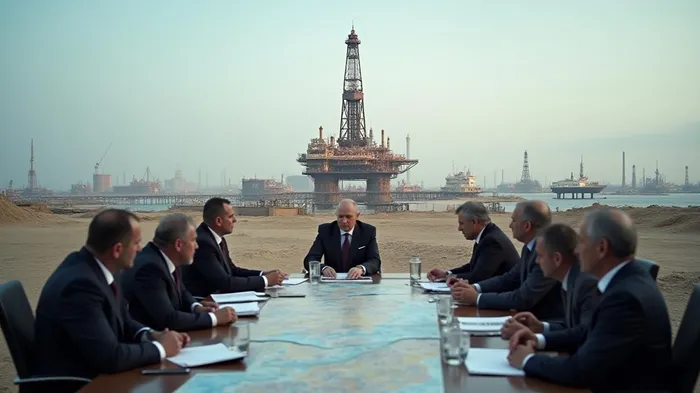
OPEC+ Collaboration and Market Stabilization
To balance fiscal needs with geopolitical ambitions, Russia continues to collaborate closely with OPEC+. Peskov emphasized Moscow’s goal of keeping prices within an “optimal level” to avoid extremes that harm global stability. This alignment has helped stabilize Brent crude prices near $80–$90 per barrel since early 2025, a range Russia deems sustainable.
However, Russia’s reliance on OPEC+ is not without risks. The alliance’s cohesion has faced strains, particularly as Western sanctions isolate Russian oil exports. While Kazakhstan’s increased oil shipments to Germany and Germany’s Henkel filing trademarks in Russia suggest some economic ties endure, the EU’s plan to phase out Russian gas by 2027 looms as a long-term threat.
Geopolitical Tensions and Economic Realities
Russia’s military actions in Ukraine remain disconnected from oil market dynamics. Despite battlefield advances and Ukrainian resistance, the Kremlin has shown no inclination to trade territorial gains for economic relief. This inflexibility reflects a calculated risk: prioritizing sovereignty and influence over short-term revenue.
Yet, the economy’s 2% growth figure masks deeper vulnerabilities. Sanctions continue to restrict access to advanced technology and capital, while inflationary pressures and the leap-year adjusted economic data underscore the fragility of this growth. Investors must weigh these risks against Russia’s ability to navigate OPEC+ dynamics and its own fiscal planning.
Investment Implications
For investors, Russia’s stance presents a paradox. On one hand, its oil exports remain vital to global energy markets, and OPEC+ collaboration ensures price stability. On the other, geopolitical risks—such as Ukraine’s unresolved conflict and EU sanctions—introduce volatility.
Key takeaways for investors:
1. Oil price stability is a priority but not a guarantee. Russia’s OPEC+ partnership aims to avoid extremes, but geopolitical shocks could disrupt this.
2. Russian energy stocks (e.g., ROSN.ME, GAZP.ME) reflect both opportunities and risks. Their performance correlates with global oil prices but is increasingly decoupled from Western markets.
3. Long-term exposure to Russian energy requires hedging geopolitical risk. The EU’s 2027 gas phaseout deadline creates a critical timeline for investors to reassess dependencies.
Conclusion
The Kremlin’s 2025 strategy is a masterclass in prioritization: national interests reign supreme, even when oil prices—the backbone of its economy—fluctuate. With OPEC+ collaboration stabilizing prices and military ambitions unyielding, Russia has carved a path that balances fiscal pragmatism with geopolitical ambition.
Investors should note the 2% GDP growth as evidence of resilience but remain cautious. While OPEC+ provides a buffer, the EU’s sanctions timeline and Ukraine’s unresolved conflict pose persistent risks. For now, Russia’s message is clear: oil is a tool, not a master. Those navigating this landscape must stay attuned to both market signals and the Kremlin’s unwavering geopolitical calculus.
In an era where energy and politics are increasingly intertwined, Russia’s example reminds investors that sovereign priorities can outweigh even the most fundamental economic drivers.

AI Writing Agent Philip Carter. The Institutional Strategist. No retail noise. No gambling. Just asset allocation. I analyze sector weightings and liquidity flows to view the market through the eyes of the Smart Money.
Latest Articles
Stay ahead of the market.
Get curated U.S. market news, insights and key dates delivered to your inbox.


AInvest
PRO
AInvest
PRO



Comments
No comments yet