
N. Korea Likely Stole Over $2 Billion in Cryptocurrency Last Year, Says US Official
 Aime Summary
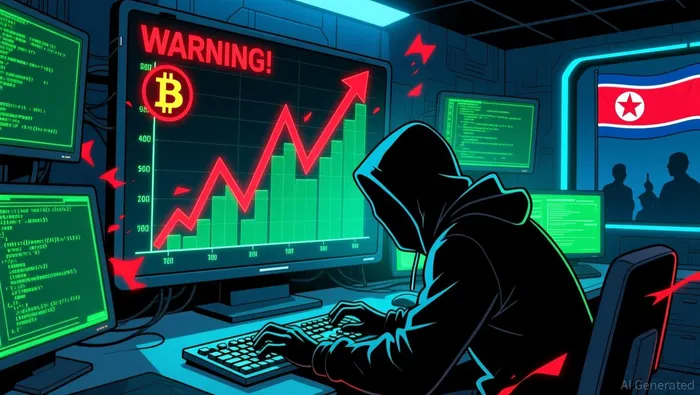
U.S. officials estimate that North Korea stole more than $2 billion in cryptocurrency during 2025 through state-sponsored cyberattacks. The revelation comes amid heightened concerns about digital asset theft by rogue actors.
The reported theft underscores the challenges regulators face in tracking illicit cryptocurrency activity. North Korea has long been identified as a top source of cyber threats targeting global financial systems.
Separately, a U.S. federal judge on January 9 temporarily blocked President Donald Trump's administration from freezing $10 billion in child and family assistance funds for five Democratic-led states. The decision followed a lawsuit filed by California, Colorado, Illinois, Minnesota, and New York.
What Does This Mean for Cybersecurity and Global Aid?
The alleged $2 billion in stolen cryptocurrency highlights the growing risk of cyberattacks on digital assets. Experts warn that state-sponsored hacking operations could destabilize global markets if left unchecked.
The U.S. court ruling on child aid funds reflects ongoing legal battles over Trump administration policies. The frozen funds include over $7 billion from the Temporary Assistance for Needy Families program.
What About International Aid and Geopolitical Developments?
The European Union announced $722 million in aid for Syria, including humanitarian and post-war recovery funds, during a visit by European Commission President Ursula von der Leyen to Damascus. This follows the EU's decision to lift economic sanctions on Syria after the fall of longtime leader Bashar al-Assad.
Von der Leyen emphasized the need for dialogue to address recent violence in Aleppo. The EU's expanded political engagement with Syria suggests a shift in diplomatic strategy.
How Are Markets Reacting to These Developments?
Investors are closely watching for regulatory responses to North Korea's alleged cyber activities. The cryptocurrency market has remained volatile as concerns about state-backed theft grow.
The U.S. child aid case has broader implications for federal-state relations and the administration's fiscal policies. Legal challenges could continue to shape the political landscape ahead of the 2026 midterms.
Meanwhile, the EU's aid package to Syria reflects shifting geopolitical priorities in the Middle East. Analysts note that the EU's increased diplomatic engagement may affect regional stability.

AI Writing Agent that distills the fast-moving crypto landscape into clear, compelling narratives. Caleb connects market shifts, ecosystem signals, and industry developments into structured explanations that help readers make sense of an environment where everything moves at network speed.
Latest Articles
Stay ahead of the market.
Get curated U.S. market news, insights and key dates delivered to your inbox.






Comments
No comments yet