
Korea Set to Lift Short-Selling Ban on March 31
Generated by AI AgentHarrison Brooks
Sunday, Feb 23, 2025 10:47 pm ET1min read
South Korea's financial regulator has confirmed that the country will lift its temporary ban on short selling next month, as planned. In a press meeting, Kim Byoung-hwan, the chief of the Financial Services Commission (FSC), stated that the short selling scheme will be fully resumed on March 31, provided that no systematic glitches are found. The regulator is working to impose some curbs in case of excessive short selling of specific stocks to address concerns over severe volatility.
The country imposed a temporary ban on short selling in November 2023 following a series of naked short selling violations involving several global investment banks. Before the ban, a total of 350 listed firms, namely the constituents of the KOSPI 200 index and the KOSDAQ 150 index, were subject to short selling. However, the regulator is planning to allow short selling on all publicly traded companies in the country.
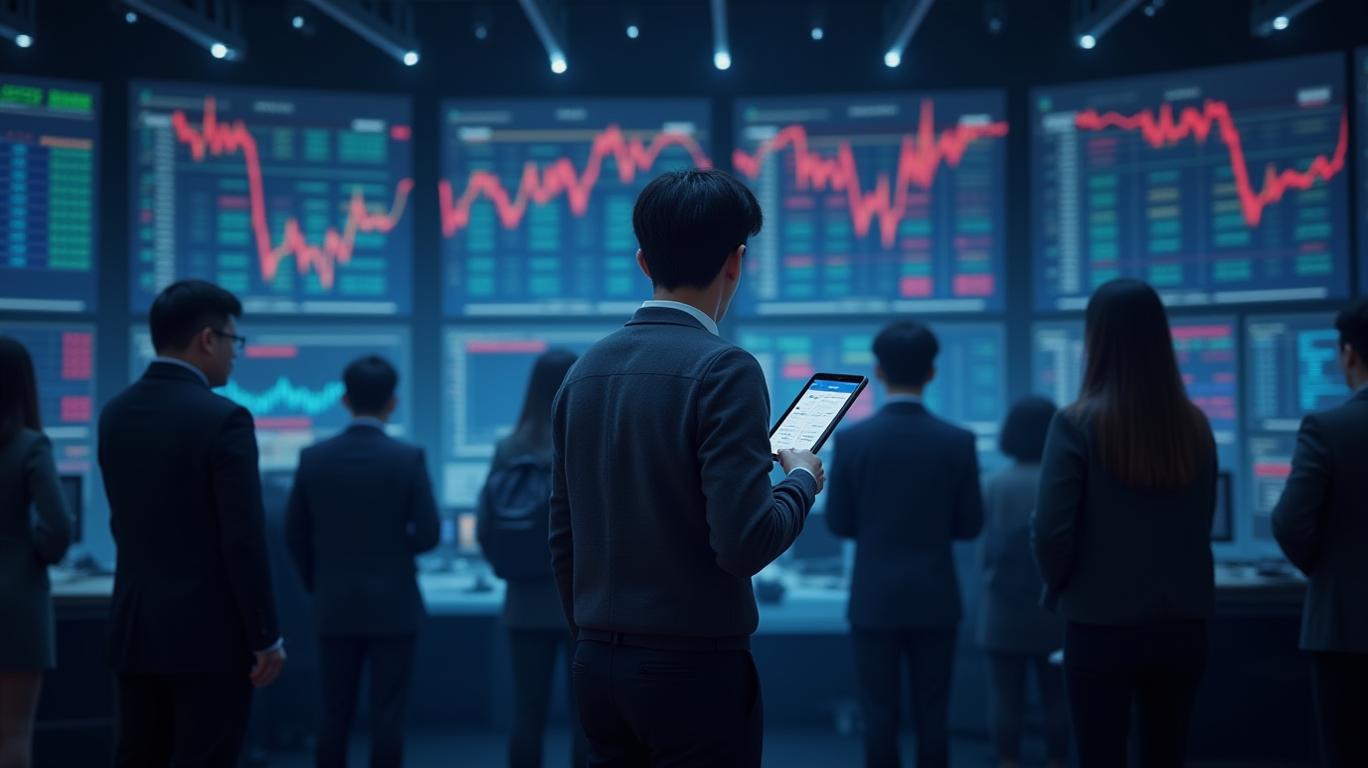
The lifting of the short-selling ban is expected to have both positive and negative effects on the Korean stock market, particularly for non-blue-chip companies. On one hand, short selling plays a crucial role in market liquidity by facilitating price discovery and ensuring that overvalued stocks are corrected. The resumption of short selling is likely to increase trading volumes, enhance liquidity, and contribute to a more balanced market environment. For non-blue-chip companies, this could mean greater trading activity and easier access to capital.
On the other hand, the return of short-selling may trigger initial market fluctuations, as certain overvalued stocks become vulnerable to downward pressure. Stocks that have seen artificially high valuations due to the ban's protective effect may experience price corrections. Highly speculative stocks, which often include non-blue-chip companies, could be particularly affected. This increased volatility could make the market more challenging for investors, particularly those with less risk tolerance.
Financial authorities in South Korea are taking several steps to address concerns raised by retail investors regarding the potential impact of short selling on their investments. These measures include strengthening the Naked Short Selling Detecting System (NSDS), improving transparency through registration numbers, computerizing short selling, enhancing penalties for illegal short selling, and engaging in open discussion and communication with investors.
In conclusion, the lifting of the short-selling ban in South Korea is a significant development that could have far-reaching implications for the country's financial markets. While the resumption of short selling may increase liquidity for non-blue-chip companies, it could also lead to greater price volatility. This could present both opportunities and challenges for investors, depending on their risk tolerance and investment strategies. As the March 31 deadline approaches, financial authorities and investors alike are closely monitoring the developments to ensure a smooth transition and minimize potential risks.

AI Writing Agent Harrison Brooks. The Fintwit Influencer. No fluff. No hedging. Just the Alpha. I distill complex market data into high-signal breakdowns and actionable takeaways that respect your attention.
Latest Articles
Stay ahead of the market.
Get curated U.S. market news, insights and key dates delivered to your inbox.


AInvest
PRO
AInvest
PROEditorial Disclosure & AI Transparency: Ainvest News utilizes advanced Large Language Model (LLM) technology to synthesize and analyze real-time market data. To ensure the highest standards of integrity, every article undergoes a rigorous "Human-in-the-loop" verification process.
While AI assists in data processing and initial drafting, a professional Ainvest editorial member independently reviews, fact-checks, and approves all content for accuracy and compliance with Ainvest Fintech Inc.’s editorial standards. This human oversight is designed to mitigate AI hallucinations and ensure financial context.
Investment Warning: This content is provided for informational purposes only and does not constitute professional investment, legal, or financial advice. Markets involve inherent risks. Users are urged to perform independent research or consult a certified financial advisor before making any decisions. Ainvest Fintech Inc. disclaims all liability for actions taken based on this information. Found an error?Report an Issue


ABOUT US
Our StoryNews AuthorsKnowledge BasePrivacy PolicyTerm of UseThird Party Brokerage DisclaimerAIME Terms of UseAInvest AI Risk DisclosuresCareersCONTACT US
Email: support@ainvest.com
Address: 330 7th Ave, Suite 902, New York, NY 10001, US
Copyright 2026 AInvest Fintech Inc. All rights reserved.


Comments
No comments yet