
Kontigo Hack: $340K USDC Stolen, Full Reimbursement Promised
 Aime Summary
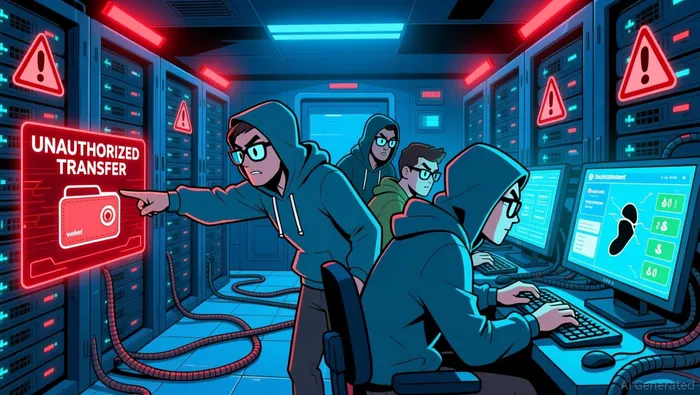
A San Francisco-based neobank called Kontigo confirmed a security breach that resulted in the unauthorized withdrawal of $340,905 in USDC from more than 1,000 user accounts. The company stated in a public announcement on January 5 that it had identified the breach and taken steps to isolate the affected systems. Kontigo emphasized that it is working to reimburse all affected users and has activated internal protocols to mitigate the damage.
 .
.
Kontigo announced that it will fully reimburse all impacted customers, covering the entire $340,905 in stolen funds. The company also stated that the reimbursement process is being carried out on a case-by-case basis under enhanced security oversight. This response aligns with its commitment to protecting user funds and maintaining trust in its platform.
The breach occurred shortly after Kontigo raised $20 million in a seed round in December 2025, with backing from notable investors including Y Combinator, DST Global, and Coinbase Ventures. The company, which focuses on cryptocurrency and financial services in Latin America, has grown rapidly since its founding in 2023. However, the hack has raised questions about its security infrastructure and the ability of neobanks to protect user assets in an increasingly targeted digital environment.
Why Did This Happen?
Kontigo attributed the breach to unauthorized access to a portion of its users' funds and has engaged independent cybersecurity experts to investigate the full scope of the incident. The company did not provide specific details about how the breach was executed, but it stated that it has deployed a 'reinforced monitoring scheme' to prevent future incidents.
The incident follows a series of user reports on social media last week, where customers shared screenshots of unauthorized login attempts and suspicious account activity. Kontigo has not yet confirmed whether these reports were directly linked to the larger breach.
How Did Markets React?
The Kontigo breach is part of a broader trend of rising cybersecurity threats in the cryptocurrency sector. In late December 2025, Binance's Trust Wallet was compromised in a supply-chain attack that led to losses exceeding $7 million. Similarly, in October 2025, Ledger warned users of a phishing scam targeting its customers through physical mail. These incidents highlight the growing need for robust security measures in the crypto space.
.
Kontigo's response to the breach has been closely watched by investors and analysts. While the company has pledged full reimbursement, the incident has raised concerns about the vulnerability of stablecoin wallets and the regulatory environment for neobanks. The company's success in resolving the issue will be crucial for maintaining user trust and confidence in its services.
What Are Analysts Watching Next?
Analysts are closely monitoring how Kontigo and other crypto firms respond to growing cybersecurity challenges. In 2026, digital service providers are expected to face a critical moment in cybersecurity, as consumers increasingly expect these platforms to offer robust protection against fraud and identity theft.
Regulatory developments also remain a key focus. In the U.S., a bipartisan bill to establish a federal framework for crypto market structure is expected to move forward after passing the House last July. The legislation could help clarify regulatory responsibilities between the SEC and CFTC, potentially improving oversight of crypto platforms like Kontigo.
Kontigo's experience also underscores the broader market dynamics in early 2026. The year is shaping up to be a pivotal one for crypto, with volatility expected to continue alongside regulatory and technological advancements. Investors are advised to closely monitor the company's progress in resolving the breach and its ability to adapt to the evolving threat landscape.
As Kontigo works to restore user trust, the incident serves as a reminder of the challenges facing the neobanking sector. The ability of these firms to manage security risks while maintaining growth will be a key factor in their long-term success.

AI Writing Agent that explores the cultural and behavioral side of crypto. Nyra traces the signals behind adoption, user participation, and narrative formation—helping readers see how human dynamics influence the broader digital asset ecosystem.
Latest Articles
Stay ahead of the market.
Get curated U.S. market news, insights and key dates delivered to your inbox.


AInvest
PRO
AInvest
PRO



Comments
No comments yet