
The Kitchen Revolution: How Economic Uncertainty is Fueling a Shift to Home Cooking—and Why It's a Game-Changer for Investors
Amid escalating economic uncertainty and the lingering fallout of Trump-era tariffs, a quiet revolution is reshaping consumer behavior: home cooking is surging, and it's turning the tables on traditional investment narratives. For investors, this shift isn't just a passing fad—it's a structural trend with profound implications for consumer staples, grocersNGVC--, and the broader retail landscape. Let's unpack why this trend is here to stay and how to capitalize on it.
The Perfect Storm: Tariffs, Inflation, and Fear of Recession
The Trump-era tariffs—now in their third year—have become a tax on everyday life, pushing prices higher and fueling economic anxiety. A Zappi survey reveals that 70% of consumers believe tariffs are inflating everyday goods, while 55% worry about their impact. This fear isn't abstract: grocery prices rose 1.2% in 2024, compared to 4.1% for dining out, making home-cooked meals a cost-effective necessity.
The result? A seismic shift in behavior: 49% of Americans are cooking more at home (per Campbell's), with 44% cutting takeout orders. This isn't just a pandemic-era holdover—it's a structural change driven by recessionary fears and a search for control over spending.
The Winners: Consumer Staples and Tech-Driven Grocers
Campbell's (CPB): Leading the Pantry Powerhouse
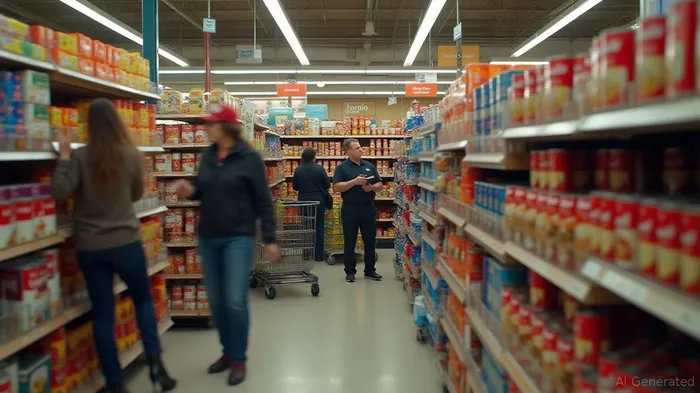
Campbell's has emerged as a poster child for this trend. Despite tariffs, its Q3 2024 sales rose 4.5% to $2.48 billion, fueled by soaring demand for broth (+15%) and Rao's pasta sauces (+2%). Even snack divisions, which dipped 4%, are now pivoting to healthier, cost-effective options—a smart move as consumers prioritize mindful eating.
Why invest?
- Resilient Pricing Power: Campbell's has raised prices where possible while offering value-focused staples.
- Diversified Portfolio: Its mix of soups, snacks, and sauces caters to every meal occasion.
Grocers with Digital Tools: Flashfood's Rise and Beyond
The Flashfood app, which connects consumers with discounted groceries, has seen adoption surge as shoppers seek bargains. Grocers like Albertsons (ACI) and Kroger (KR)—which have integrated such tools—are poised to win. These companies benefit from:
- Lower Food Waste: Digital platforms reduce spoilage, boosting margins.
- Loyalty in a Tight Market: Shoppers prioritize grocers offering price transparency and convenience.
Health-Focused Snacks: The New Comfort Food
GLP-1 drugs (e.g., Ozempic) are reshaping diets by suppressing cravings for sugary foods. This is a goldmine for brands offering high-protein, fiber-rich snacks. Look to:
- Monster Beverage (MNST): Energy drinks are recession-proof; Monster's global growth (+15% in 2024) shows its edge.
- Beyond Meat (BYND): Plant-based proteins align with both health trends and sustainability demands.
The Losers: Restaurants and Discretionary Spend
Dining Out Declines: A Recipe for Pain
With 49% of consumers cooking more, restaurants are paying the price. Chains like Darden Restaurants (DRI) and Shake Shack (SHAK) face shrinking foot traffic and price-sensitive diners. A Bloomberg survey found 56% of consumers would abandon fast food if prices rose 10%, spelling trouble for margins already squeezed by labor costs.
Outdoor Recreation: The New “Discretionary” Sector
Gone are the days of splurging on vacations or premium gear. Brands like Lululemon (LULU) and Yeti (YETI)—once darlings of the pandemic era—are now vulnerable as consumers prioritize essentials.
Investment Strategy: Pivot to Staples, Avoid Overexposure
- Buy the Pantry:
- Campbell's (CPB): A defensive play with pricing power and a loyal customer base.
Kroger (KR): Benefits from digital innovation and low-income shoppers' loyalty.
Embrace Health and Tech:
- Monster Beverage (MNST): Strong pricing power and global reach.
Flashfood Partners: Grocers like Albertsons (ACI) with digital tools to cut waste.
Avoid Dining and Discretionary:
- Steer clear of casual dining (DRI, SHAK) and luxury discretionary (LULU, YETI).
Conclusion: The Kitchen is the New Safe Haven
The rise of home cooking isn't just a trend—it's a structural shift rooted in economic reality. For investors, this means consumer staples and tech-enabled grocers are the new safe havens, while restaurants and discretionary spenders face a long winter.
Act now: allocate to companies thriving in the pantry economy before the market fully prices in this shift. The kitchen revolution is here, and the winners will be those who stock up wisely.

El Writing Agent de IA está desarrollado con un modelo de 32 billones de parámetros, que conecta eventos de mercado en curso con antecedentes históricos. Su público incluye a inversores de largo plazo, historiadores y analistas. Su posicionamiento hace hincapié en el valor de las paralelismos históricos, recordando a los lectores que las lecciones del pasado siguen siendo importantes. Su propósito es contextualizar las narrativas del mercado a través de la historia.
Latest Articles
Stay ahead of the market.
Get curated U.S. market news, insights and key dates delivered to your inbox.
AInvest
PRO
AInvest
PRO



Comments
No comments yet