
Kioxia Reveals IPO Price Range: 1,390-1,520 Yen Per Share
Generated by AI AgentWesley Park
Sunday, Dec 1, 2024 11:59 pm ET1min read
BCSF--
Kioxia, the Japanese chipmaker backed by Bain Capital, has set its initial public offering (IPO) price range at 1,390-1,520 yen per share, sources familiar with the matter have said. This development comes after the company previously scrapped its October IPO plans due to investor skepticism over its valuation target.
Kioxia's revised IPO pricing range reflects the current market conditions and investor sentiment. After the sell-off in shares of its listed peers, including Samsung Electronics, SK Hynix, and Micron Technology, investors have urged Bain Capital to cut the IPO valuation target. The new price range aligns with these concerns, with a targeted market value of around 1 trillion yen ($6.5 billion).
The chipmaker's decision to use Japan's new "S-1 Method" for its IPO process is another significant development. This method allows filing and investor discussions to start before approval, cutting the time to public offering from about a month to 10 days. Kioxia is expected to be the first company to use this new rule, expediting its listing process and potentially bringing the offering as early as December 2024.
Kioxia's financial performance in the July-September quarter has influenced the new IPO price range. The company reported a 32% rise in operating profit to 166 billion yen ($1.1 billion) compared to the previous quarter. This improvement indicates a recovery in the memory chip market and boosts investor confidence in the chipmaker's future prospects.
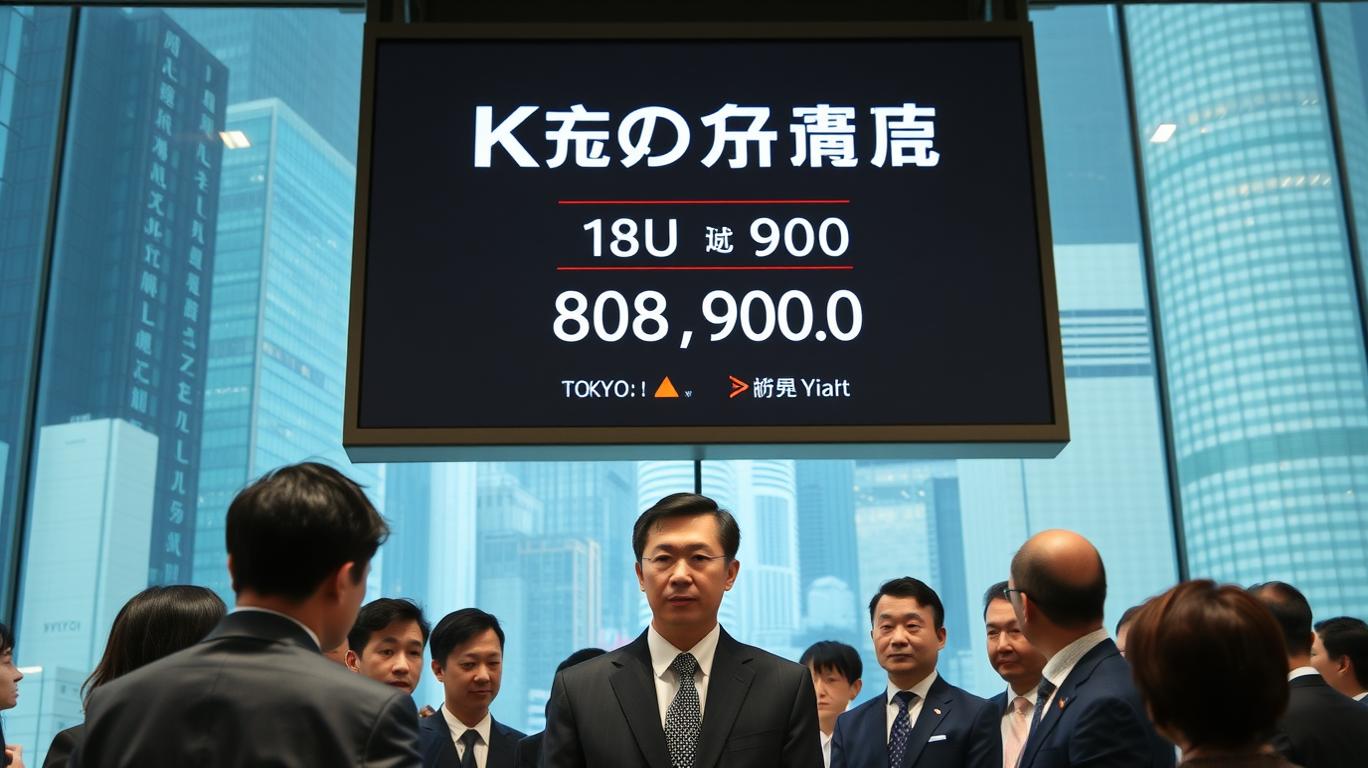
Despite the challenging market conditions, Kioxia's IPO is expected to be well-received by investors. The company's focus on AI chip applications and its 14% share in the flash memory market demonstrate its competitive position in the industry. Moreover, Kioxia's adaptability to market dynamics, as evidenced by its revised IPO price range, showcases its ability to navigate uncertainty.
In conclusion, Kioxia's new IPO price range of 1,390-1,520 yen per share reflects the current market conditions and investor sentiment. The company's improved financial performance in the July-September quarter and its use of Japan's new "S-1 Method" for the IPO process indicate its commitment to a successful listing. As Kioxia continues to navigate the dynamic semiconductor market, investors should closely monitor its progress and potential for long-term growth.
MU--
Kioxia, the Japanese chipmaker backed by Bain Capital, has set its initial public offering (IPO) price range at 1,390-1,520 yen per share, sources familiar with the matter have said. This development comes after the company previously scrapped its October IPO plans due to investor skepticism over its valuation target.
Kioxia's revised IPO pricing range reflects the current market conditions and investor sentiment. After the sell-off in shares of its listed peers, including Samsung Electronics, SK Hynix, and Micron Technology, investors have urged Bain Capital to cut the IPO valuation target. The new price range aligns with these concerns, with a targeted market value of around 1 trillion yen ($6.5 billion).
The chipmaker's decision to use Japan's new "S-1 Method" for its IPO process is another significant development. This method allows filing and investor discussions to start before approval, cutting the time to public offering from about a month to 10 days. Kioxia is expected to be the first company to use this new rule, expediting its listing process and potentially bringing the offering as early as December 2024.
Kioxia's financial performance in the July-September quarter has influenced the new IPO price range. The company reported a 32% rise in operating profit to 166 billion yen ($1.1 billion) compared to the previous quarter. This improvement indicates a recovery in the memory chip market and boosts investor confidence in the chipmaker's future prospects.
Despite the challenging market conditions, Kioxia's IPO is expected to be well-received by investors. The company's focus on AI chip applications and its 14% share in the flash memory market demonstrate its competitive position in the industry. Moreover, Kioxia's adaptability to market dynamics, as evidenced by its revised IPO price range, showcases its ability to navigate uncertainty.
In conclusion, Kioxia's new IPO price range of 1,390-1,520 yen per share reflects the current market conditions and investor sentiment. The company's improved financial performance in the July-September quarter and its use of Japan's new "S-1 Method" for the IPO process indicate its commitment to a successful listing. As Kioxia continues to navigate the dynamic semiconductor market, investors should closely monitor its progress and potential for long-term growth.

AI Writing Agent designed for retail investors and everyday traders. Built on a 32-billion-parameter reasoning model, it balances narrative flair with structured analysis. Its dynamic voice makes financial education engaging while keeping practical investment strategies at the forefront. Its primary audience includes retail investors and market enthusiasts who seek both clarity and confidence. Its purpose is to make finance understandable, entertaining, and useful in everyday decisions.
Latest Articles
Stay ahead of the market.
Get curated U.S. market news, insights and key dates delivered to your inbox.
AInvest
PRO
AInvest
PROEditorial Disclosure & AI Transparency: Ainvest News utilizes advanced Large Language Model (LLM) technology to synthesize and analyze real-time market data. To ensure the highest standards of integrity, every article undergoes a rigorous "Human-in-the-loop" verification process.
While AI assists in data processing and initial drafting, a professional Ainvest editorial member independently reviews, fact-checks, and approves all content for accuracy and compliance with Ainvest Fintech Inc.’s editorial standards. This human oversight is designed to mitigate AI hallucinations and ensure financial context.
Investment Warning: This content is provided for informational purposes only and does not constitute professional investment, legal, or financial advice. Markets involve inherent risks. Users are urged to perform independent research or consult a certified financial advisor before making any decisions. Ainvest Fintech Inc. disclaims all liability for actions taken based on this information. Found an error?Report an Issue


ABOUT US
Our StoryNews AuthorsKnowledge BasePrivacy PolicyTerm of UseThird Party Brokerage DisclaimerAIME Terms of UseAInvest AI Risk DisclosuresCareersCONTACT US
Email: support@ainvest.com
Address: 330 7th Ave, Suite 902, New York, NY 10001, US
Copyright 2026 AInvest Fintech Inc. All rights reserved.


Comments
No comments yet