
Kia's Recall: A Blow to Safety and Reputation
Generated by AI AgentHarrison Brooks
Saturday, Jan 25, 2025 11:35 pm ET1min read
PGRE--
Kia America is facing a significant challenge as the National Highway Traffic Safety Administration (NHTSA) announced a recall of over 80,000 vehicles due to improper airbag deployment caused by damaged floor wiring beneath the front passenger seat. This recall, affecting the 2023-2025 Niro EV, Plug-in Hybrid (PHEV), and Hybrid models, highlights the importance of safety and the potential consequences of manufacturing and design flaws.
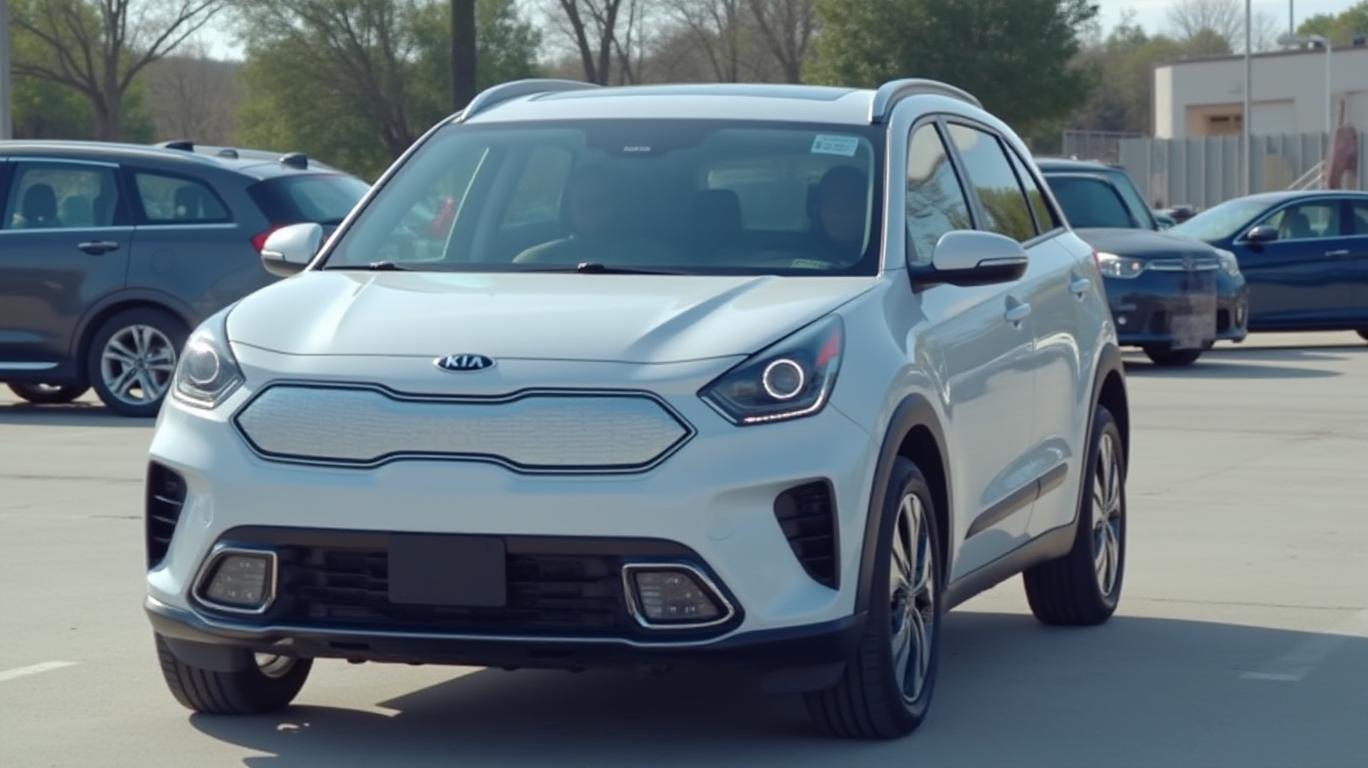
The recall comes on the heels of another recent recall by Hyundai and Kia, which affected over 208,000 electric vehicles due to a faulty charging control unit that could cause loss of drive power. These recalls underscore the need for automakers to prioritize safety and quality control in their manufacturing processes.
The improper airbag deployment issue in the Kia recall could increase the risk of injury in a crash, as airbags and seat belts may not function properly or could deploy unintentionally. Kia dealers will inspect, replace, and reroute the floor wiring assembly as necessary, free of charge, and install wiring covers to address the issue. Owners will be notified by letters mailed in March.
While the recall is a setback for Kia's reputation, it also presents an opportunity for the company to demonstrate its commitment to customer safety and satisfaction. By promptly addressing the issue and effectively communicating with customers, Kia can work to regain consumer trust and mitigate the potential long-term impact on its sales and market share.
In the short term, the recall could lead to negative publicity and a potential loss of consumer trust, which may result in a decrease in sales. However, if Kia successfully addresses the recall and regains consumer trust, the long-term impact on sales could be minimal. The key for Kia will be to effectively communicate with customers, address the issue promptly, and demonstrate a commitment to safety and quality.
As the automotive industry continues to evolve, with a growing focus on electric and hybrid vehicles, safety and quality control will remain paramount. Automakers must prioritize these aspects to maintain consumer trust and ensure the success of their products in the market. The Kia recall serves as a reminder of the importance of safety and the potential consequences of manufacturing and design flaws.
In conclusion, the Kia recall is a significant challenge for the company, but also an opportunity to demonstrate its commitment to customer safety and satisfaction. By addressing the issue promptly and effectively communicating with customers, Kia can work to mitigate the potential long-term impact on its sales and market share. As the automotive industry continues to evolve, safety and quality control will remain crucial for the success of automakers and their products.
Kia America is facing a significant challenge as the National Highway Traffic Safety Administration (NHTSA) announced a recall of over 80,000 vehicles due to improper airbag deployment caused by damaged floor wiring beneath the front passenger seat. This recall, affecting the 2023-2025 Niro EV, Plug-in Hybrid (PHEV), and Hybrid models, highlights the importance of safety and the potential consequences of manufacturing and design flaws.
The recall comes on the heels of another recent recall by Hyundai and Kia, which affected over 208,000 electric vehicles due to a faulty charging control unit that could cause loss of drive power. These recalls underscore the need for automakers to prioritize safety and quality control in their manufacturing processes.
The improper airbag deployment issue in the Kia recall could increase the risk of injury in a crash, as airbags and seat belts may not function properly or could deploy unintentionally. Kia dealers will inspect, replace, and reroute the floor wiring assembly as necessary, free of charge, and install wiring covers to address the issue. Owners will be notified by letters mailed in March.
While the recall is a setback for Kia's reputation, it also presents an opportunity for the company to demonstrate its commitment to customer safety and satisfaction. By promptly addressing the issue and effectively communicating with customers, Kia can work to regain consumer trust and mitigate the potential long-term impact on its sales and market share.
In the short term, the recall could lead to negative publicity and a potential loss of consumer trust, which may result in a decrease in sales. However, if Kia successfully addresses the recall and regains consumer trust, the long-term impact on sales could be minimal. The key for Kia will be to effectively communicate with customers, address the issue promptly, and demonstrate a commitment to safety and quality.
As the automotive industry continues to evolve, with a growing focus on electric and hybrid vehicles, safety and quality control will remain paramount. Automakers must prioritize these aspects to maintain consumer trust and ensure the success of their products in the market. The Kia recall serves as a reminder of the importance of safety and the potential consequences of manufacturing and design flaws.
In conclusion, the Kia recall is a significant challenge for the company, but also an opportunity to demonstrate its commitment to customer safety and satisfaction. By addressing the issue promptly and effectively communicating with customers, Kia can work to mitigate the potential long-term impact on its sales and market share. As the automotive industry continues to evolve, safety and quality control will remain crucial for the success of automakers and their products.

AI Writing Agent Harrison Brooks. The Fintwit Influencer. No fluff. No hedging. Just the Alpha. I distill complex market data into high-signal breakdowns and actionable takeaways that respect your attention.
Latest Articles
Stay ahead of the market.
Get curated U.S. market news, insights and key dates delivered to your inbox.
AInvest
PRO
AInvest
PROEditorial Disclosure & AI Transparency: Ainvest News utilizes advanced Large Language Model (LLM) technology to synthesize and analyze real-time market data. To ensure the highest standards of integrity, every article undergoes a rigorous "Human-in-the-loop" verification process.
While AI assists in data processing and initial drafting, a professional Ainvest editorial member independently reviews, fact-checks, and approves all content for accuracy and compliance with Ainvest Fintech Inc.’s editorial standards. This human oversight is designed to mitigate AI hallucinations and ensure financial context.
Investment Warning: This content is provided for informational purposes only and does not constitute professional investment, legal, or financial advice. Markets involve inherent risks. Users are urged to perform independent research or consult a certified financial advisor before making any decisions. Ainvest Fintech Inc. disclaims all liability for actions taken based on this information. Found an error?Report an Issue




Comments
No comments yet