
KFC's Strategic Comeback and Its Implications for the Fast-Food Sector
 Aime Summary
In the shadow of the pandemic, the fast-food industry faced a seismic shift. With lockdowns shuttering dine-in operations and altering consumer habits, brands had to pivot swiftly to survive. KFC, a global icon synonymous with fried chicken, emerged from this crucible not just intact but revitalized. Its post-pandemic strategy—a blend of digital innovation, localized menu ingenuity, and a relentless focus on customer loyalty—has positioned it as a case study in resilience. For investors, the question is no longer whether KFC will recover but how its playbook could reshape the sector—and what that means for its stock.
Digital Transformation: The New Lifeline
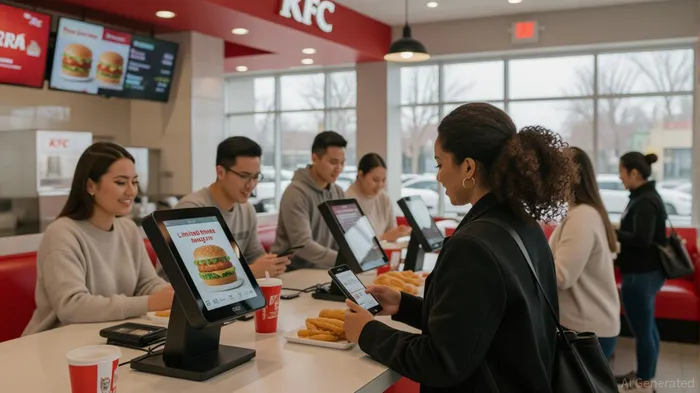
KFC's post-pandemic resurgence began with a digital-first mindset. When dine-in traffic plummeted in 2020, the brand accelerated its investment in mobile apps and online ordering systems. By 2021, digital sales accounted for 43% of transactions, a 72% increase from 2020, generating $10 billion in revenue. This shift wasn't just about convenience; it was about data. KFC leveraged customer insights to refine promotions, personalize offers, and even predict demand for limited-time items like the Cheetos Chicken Sandwich.
The results? A 4% annual unit growth rate, with franchisees reporting higher margins from targeted marketing. For investors, this underscores a critical takeaway: digital infrastructure isn't just a cost center—it's a revenue multiplier. KFC's ability to monetize data while enhancing customer retention has set a benchmark for the sector.
Localized Innovation: Winning Hearts and Stomachs
While global brands risk homogenization, KFC has doubled down on localization. In India, it introduced rice-based meals and spicy sauces to cater to regional palates. In China, it launched “Finger Lickin' Good” chicken with a sweet-and-sour glaze. These adaptations aren't just menu tweaks—they're cultural bridges. By aligning with local tastes, KFC has strengthened its emotional connection with consumers, a strategy that drives repeat visits and brand loyalty.
This approach also mitigates risks from market saturation. For instance, in 2023, KFC opened 700 new units in emerging markets like India and Africa, where demand for affordable, high-quality meals remains untapped. The company now aims to triple its global store count to 75,000 by 2025, with 90% of growth coming from international markets. For investors, this diversification is a hedge against economic volatility in developed economies.
Sustainability and Ethical Sourcing: A New Consumer Demand
The pandemic accelerated a shift toward conscious consumption. KFC responded by committing to cage-free eggs, recyclable packaging, and energy-efficient kitchens. In 2022, it launched a plant-based chicken pilot in eight markets, including California and parts of Europe. While plant-based options still represent a small slice of revenue, they signal KFC's alignment with trends that could redefine the fast-food sector.
This pivot isn't just PR. Sustainability efforts have improved operational efficiency (e.g., waste reduction) and attracted a younger, ethically minded demographic. For investors, the challenge is measuring short-term ROI versus long-term brand equity. However, KFC's early moves in this space suggest it's positioning itself to capture value as regulatory and consumer pressures for sustainability intensify.
Employee Development: The Often-Overlooked Lever
A strong brand is only as good as its frontline. KFC invested $500 million in employee training programs post-pandemic, focusing on customer service, kitchen efficiency, and leadership development. By reducing turnover and improving staff retention, the brand has minimized operational costs and enhanced the customer experience.
This focus on human capital is a quiet but powerful driver of stock performance. Franchisees with well-trained staff report higher customer satisfaction scores, which correlate with increased same-store sales. For investors, KFC's emphasis on employee development highlights a broader trend: in the post-pandemic era, intangible assets like workforce quality are as critical as physical infrastructure.
Implications for the Fast-Food Sector
KFC's playbook offers a roadmap for the sector's evolution. Its success in digital monetization, localized innovation, and sustainability has forced competitors to accelerate their own strategies. McDonald'sMCD-- and Burger King, for example, have followed suit with AI-driven drive-thru systems and plant-based menu items. However, KFC's early mover advantage—coupled with its aggressive expansion into high-growth markets—gives it a unique edge.
For investors, the key question is whether KFC can sustain its current trajectory. The company's projected 4% annual unit growth and 70% of new units in emerging markets suggest confidence in untapped demand. Yet risks remain, including supply chain disruptions and regulatory hurdles in international markets.
Investment Thesis
KFC's stock has outperformed the S&P 500 over the past three years, driven by its strategic agility and margin expansion. With a forward P/E ratio of 12.5 (as of July 2025) and a dividend yield of 1.8%, it offers a blend of growth and income. For long-term investors, the brand's focus on digital, localization, and sustainability aligns with macro trends that are likely to define the next decade of the fast-food industry.
However, caution is warranted. The company's reliance on franchisees means its financial performance is partially out of its control. Additionally, the plant-based market remains unproven in terms of profitability. Investors should monitor KFC's unit economics and same-store sales in key markets like India and Africa, where growth is most aggressive.
Conclusion
KFC's post-pandemic revival is more than a comeback—it's a redefinition of what a fast-food brand can achieve. By marrying technology, cultural agility, and ethical practices, it has not only retained its market position but set new standards for the industry. For investors, the lesson is clear: in a world of fleeting consumer preferences, adaptability and innovation are the ultimate assets. As KFC continues to expand its global footprint, its stock remains a compelling bet for those willing to ride the wave of a sector in transformation.

Delivering real-time insights and analysis on emerging financial trends and market movements.
Latest Articles
Stay ahead of the market.
Get curated U.S. market news, insights and key dates delivered to your inbox.






Comments
No comments yet