
Key Structural Vulnerabilities and Geopolitical Risks in the Fertilizer Industry
 Aime Summary
The fertilizer industry plays a critical role in global food production, yet it is uniquely exposed to structural and geopolitical risks that can drive market volatility. For investors, understanding these dynamics is essential for making informed decisions in this complex sector.
Core Concept: Structural and Geopolitical Risks
Structural vulnerabilities refer to inherent weaknesses in an industry’s supply chain or production model. In the fertilizer industry, these include heavy reliance on natural gas (a key input for nitrogen-based fertilizers), limited production capacity in certain regions, and regulatory shifts toward sustainability. Geopolitical risks arise from international tensions, trade disputes, or conflicts that disrupt trade routes, impose sanctions, or destabilize key producers.
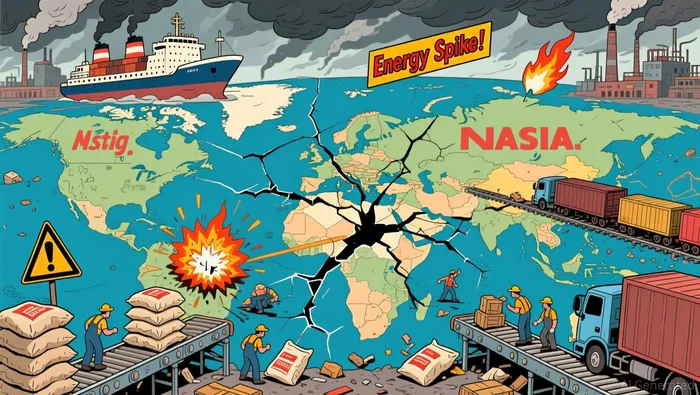
For example, natural gas prices account for up to 90% of production costs for nitrogen-based fertilizers. A sudden spike in energy prices—like those seen during the 2021-2022 energy crisis—can drastically reduce profit margins for producers. Similarly, countries like Russia and Ukraine supply nearly 20% of global fertilizer exports. Political instability in these regions can create supply shocks, as seen during the 2022 Russian-Ukrainian conflict.
 Investors must account for these risks when evaluating fertilizer stocks. Here are key strategies:
1. Diversification: Prioritize companies with diversified production locations and supply chains to mitigate regional disruptions.
2. Commodity Hedging: Look for firms that hedge natural gas prices to stabilize costs during energy price swings.
3. ESG Alignment: Favor companies investing in sustainable practices, such as green ammonia production, to align with regulatory trends and reduce long-term risks.
4. Geopolitical Monitoring: Track global events affecting key producers (e.g., Russia, Canada, and the U.S.) and adjust portfolios accordingly.
Investors must account for these risks when evaluating fertilizer stocks. Here are key strategies:
1. Diversification: Prioritize companies with diversified production locations and supply chains to mitigate regional disruptions.
2. Commodity Hedging: Look for firms that hedge natural gas prices to stabilize costs during energy price swings.
3. ESG Alignment: Favor companies investing in sustainable practices, such as green ammonia production, to align with regulatory trends and reduce long-term risks.
4. Geopolitical Monitoring: Track global events affecting key producers (e.g., Russia, Canada, and the U.S.) and adjust portfolios accordingly.
Case Study: The 2022 Russian-Ukrainian Conflict
In 2022, Russia’s invasion of Ukraine triggered a 40% surge in global fertilizer prices within months. Russia and Ukraine together account for 15% of potassium fertilizer exports and 20% of nitrogen exports. Sanctions and export restrictions forced buyers to seek alternative suppliers, straining global supply chains. Prices for potash (a key crop nutrient) hit multi-year highs, while companies like NutrienNTR-- (a Canadian fertilizer giant) saw short-term gains due to increased demand. However, smaller producers without diversified operations faced margin pressures. This event highlighted how geopolitical tensions can create both opportunities and risks for investors.
The fertilizer industry’s volatility demands caution. Sudden shifts in energy prices, trade policies, or environmental regulations can erode profits. To mitigate risks: - Conduct thorough due diligence on a company’s cost structure and geographic exposure. - Balance portfolios with non-fertilizer assets to offset sector-specific shocks. - Stay informed about geopolitical developments, particularly in key producing regions.
Conclusion
The fertilizer industry’s structural and geopolitical risks are significant but manageable. By understanding production dependencies, monitoring global events, and adopting diversified strategies, investors can navigate this sector’s challenges while capitalizing on its role in global food security. As the world continues to grapple with energy transitions and geopolitical tensions, the ability to anticipate and adapt to these risks will remain a cornerstone of successful investing in the fertilizer market.

Stay ahead of the market.
Get curated U.S. market news, insights and key dates delivered to your inbox.
AInvest
PRO
AInvest
PRO



Comments
No comments yet