
Key Industries at Risk in the Next Recession: Why Investors Should Care
 Aime Summary
- Mark Cuban has identified key industries—such as media, restaurants, and businesses reliant on government funding or third-party platforms—that face heightened risks in an upcoming recession.
- Traditional media firms are struggling against competition from AI, TikTok, and social influencers, while Hollywood faces oversaturation.
- Restaurants, with thin margins and rising costs, are also vulnerable, as seen in Chipotle's slowing growth amid macroeconomic pressures.
The U.S. Federal Reserve's December 2025 rate cut reflects broader recognition of economic and labor market pressures. The FOMC minutes highlight structural issues in employment and the need for liquidity injections to support stability in 2026. This context underscores the growing exposure for industries like media and restaurants, which rely on consumer spending and a healthy labor force.
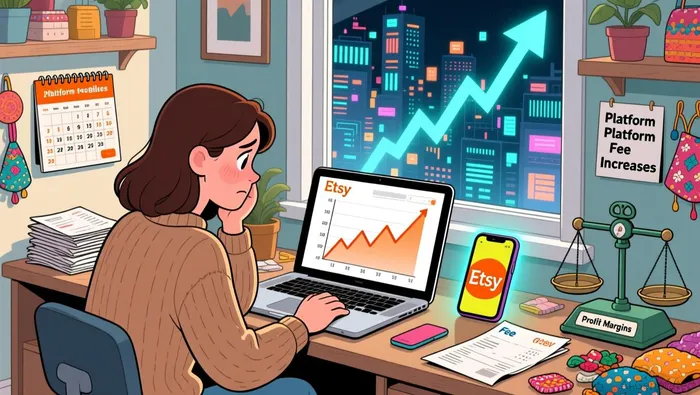
Platform-dependent businesses, such as those on EtsyETSY-- or AmazonAMZN--, also face unique risks. As platform fees rise and visibility declines, companies that rely heavily on third-party marketplaces may see eroding profit margins. This trend is evident in Etsy's revenue growth outpacing seller sales, suggesting a shift in platform dynamics as Cuban warns.
Investors should assess their exposure to these vulnerable industries and consider diversifying into more resilient sectors. Firms with strong adaptability—such as hybrid technology adopters or those with diversified funding sources—may fare better in a recession. The regulatory and economic environment, including potential rollbacks of EV tax credits and shifts in emissions standards, also plays a role in shaping long-term industry trajectories as reported by AInvest.
As the labor market contracts and consumers shift behavior, businesses in these sectors must innovate to survive. For instance, media companies may need to embrace AI and new formats, while restaurants might prioritize cost efficiency and digital engagement. Meanwhile, investors should watch for early signals of stress, such as declining sales, rising costs, or regulatory shifts, which could signal the next wave of economic adjustment.
What Risks Do Platform-Dependent Businesses Face in a Recession?
Businesses relying on third-party platforms like Amazon and Etsy face unique vulnerabilities as economic conditions deteriorate. Rising fees and reduced visibility on these platforms can significantly erode profit margins. For example, Etsy’s recent financial performance shows a pattern where revenue growth outpaces seller sales, suggesting a shift in platform dynamics that could disadvantage smaller businesses. As a result, companies heavily dependent on such platforms must adapt to maintain competitiveness.
The risk isn't just financial—it also includes operational and strategic challenges. A recession could lead to reduced consumer spending, forcing businesses to rely on cost-cutting measures that may harm long-term growth. Additionally, the volatility of platform policies and algorithmic changes can further complicate operations, making it difficult to maintain consistent sales and customer engagement. For investors, these trends highlight the importance of diversification and strategic planning to mitigate exposure to platform-dependent risks.
How Do Regulatory and Economic Shifts Affect Industry Resilience?
Regulatory and economic shifts play a crucial role in shaping industry resilience during uncertain times. For instance, the expiration of EV tax credits and rollbacks of emissions standards have created a fragmented policy environment for the automotive industry. These changes affect not only automakers but also related sectors like supply chain and energy. Companies that adapt to evolving regulations—such as those investing in hybrid technologies—may gain a competitive edge.
Meanwhile, labor market dynamics add another layer of complexity. The FOMC's December 2025 rate cut reflects concerns over structural labor issues, including rising unemployment among Black women and a shrinking workforce. These trends can impact industries reliant on labor-intensive operations, such as hospitality and manufacturing. As a result, businesses must prioritize workforce flexibility, employee retention, and alternative labor strategies to remain competitive in a shifting economic landscape.
Investors should closely monitor these regulatory and economic signals to assess industry-specific risks. A proactive approach—such as favoring companies with diversified funding sources, adaptive business models, and regulatory agility—can help mitigate the impact of a potential recession. By understanding the interplay between policy, labor, and market forces, investors can better position their portfolios for long-term resilience and growth.

Stay ahead of the market.
Get curated U.S. market news, insights and key dates delivered to your inbox.
AInvest
PRO
AInvest
PRO



Comments
No comments yet