
Key Drivers and Risks in the Energy Industry: Navigating Geopolitical Events and Market Volatility
 Aime Summary
The energy sector is a cornerstone of global economic activity, yet it is one of the most sensitive to external shocks. Geopolitical events and market volatility act as twin forces that can dramatically shift energy prices, supply chains, and investment opportunities. For investors, understanding these dynamics is critical to making informed decisions and mitigating risks. This article breaks down how these factors shape the energy market and offers practical strategies to navigate them.
Core Concept: Geopolitical Events and Market Volatility Geopolitical events refer to political or military actions between countries that impact global trade, such as sanctions, conflicts, or regulatory changes. Market volatility, on the other hand, describes rapid and unpredictable price swings in financial markets. In the energy sector, these two forces often intertwine. For example, a war in an oil-producing region can disrupt supply, causing prices to spike, while sudden policy shifts (e.g., a country banning fossil fuel exports) can create uncertainty, amplifying volatility.
Application and Strategies
Investors can use these insights to adjust their strategies. One approach is diversification: spreading investments across energy sources (oil, gas, renewables) and regions to reduce exposure to any single risk. Another is hedging, where investors use financial instruments like futures contracts to lock in prices and protect against sudden cost increases. 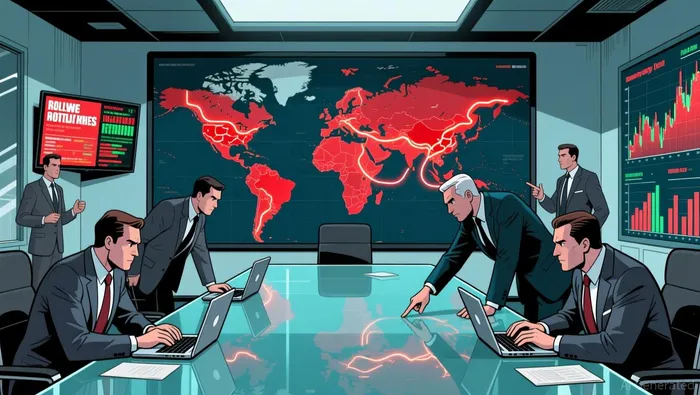 For instance, an airline might hedge fuel costs during periods of geopolitical tension to avoid unexpected expenses.
Case Study: The 2022 Russia-Ukraine War When Russia invaded Ukraine in February 2022, global energy markets reacted instantly. Oil prices surged 30% in a month as Europe, a major Russian energy consumer, sought alternatives. Natural gas prices in Europe hit record highs, pushing utilities and governments to subsidize energy costs. Investors who had hedged their exposure or diversified into renewable energy stocks (e.g., solar or wind companies) were better positioned to weather the storm. Meanwhile, energy firms with strong reserves in stable regions saw increased demand and profits.
Risks and Considerations While geopolitical events and volatility create opportunities, they also pose risks. Overreliance on a single energy source or region can lead to significant losses if a crisis erupts. Additionally, sudden policy changes—such as a government imposing export bans—can destabilize markets. To mitigate these risks, investors should prioritize thorough research into geopolitical trends and maintain a risk management strategy. This includes setting stop-loss limits, regularly rebalancing portfolios, and staying informed about global events.
Conclusion The energy industry is inherently tied to geopolitical and market dynamics. By understanding how conflicts, policy shifts, and volatility impact energy prices, investors can make smarter decisions. Diversification, hedging, and proactive risk management are essential tools for navigating this complex landscape. As demonstrated by the 2022 Ukraine war, preparedness and adaptability are key to turning uncertainty into opportunity.

Stay ahead of the market.
Get curated U.S. market news, insights and key dates delivered to your inbox.


AInvest
PRO
AInvest
PRO



Comments
No comments yet