
Key Drivers of Oil Price Volatility During Geopolitical Crises
 Aime Summary
Understanding how geopolitical events impact oil prices is crucial for investors. Oil is a cornerstone of the global economy, and its price swings during crises can ripple through markets, affecting everything from energy stocks to inflation. This article breaks down the forces behind oil price volatility during geopolitical turmoil and offers strategies to navigate these unpredictable waters.
Core Concept: The Triad of Oil Price Drivers
Three main factors drive oil price volatility during geopolitical crises: supply disruptions, demand uncertainty, and market sentiment.
1. Supply Disruptions: Conflicts or political instability in major oil-producing regions (e.g., the Middle East, Russia, or Venezuela) can halt production or block exports. For example, a war in the Persian Gulf might shut down oil pipelines or damage infrastructure, reducing the global oil supply. 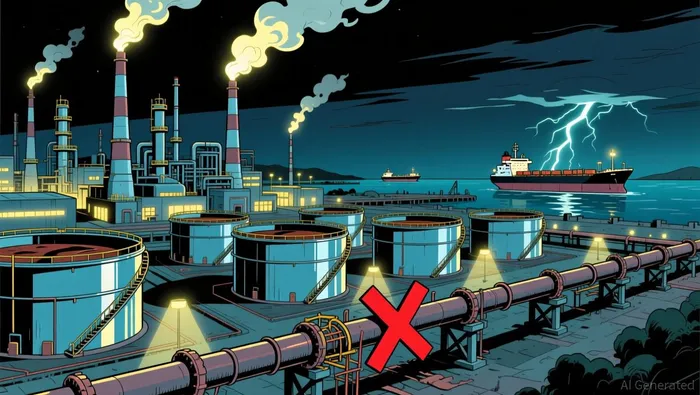 2. Demand Uncertainty: Geopolitical crises often trigger economic slowdowns. Investors may fear reduced industrial activity or lower consumer spending in key economies, leading to pessimism about future oil demand.
3. Market Sentiment: Investor psychology plays a significant role. Fear of prolonged instability can drive speculative buying, pushing prices higher even if actual supply/demand fundamentals haven’t changed yet.
2. Demand Uncertainty: Geopolitical crises often trigger economic slowdowns. Investors may fear reduced industrial activity or lower consumer spending in key economies, leading to pessimism about future oil demand.
3. Market Sentiment: Investor psychology plays a significant role. Fear of prolonged instability can drive speculative buying, pushing prices higher even if actual supply/demand fundamentals haven’t changed yet.
Strategies for Investors 1. Hedge Against Price Swings: Use financial instruments like oil futures or options to lock in prices and reduce exposure to sudden volatility. 2. Diversify Energy Investments: Avoid over-reliance on a single energy source. Consider investing in companies with operations in multiple regions or renewable energy sectors. 3. Monitor Geopolitical Indicators: Track news from major oil-producing nations, OPEC+ decisions, and sanctions. Early signals can help position portfolios before price movements.
Case Study: 2022 Russian Invasion of Ukraine When Russia invaded Ukraine in February 2022, oil prices surged from around $90 to over $120 per barrel of Brent crude within weeks. Sanctions on Russian oil exports, a key global supplier, disrupted supply chains. At the same time, fears of a global recession dampened demand forecasts. The resulting tug-of-war between supply cuts and demand slowdowns created extreme volatility. Investors who anticipated the supply shock by buying oil futures or energy stocks (like ExxonMobilXOM-- or Chevron) benefited from the price spike. However, those who ignored the geopolitical context faced losses as prices later corrected when OPEC+ adjusted production quotas.
Risks and Considerations While geopolitical events can create opportunities, they also carry risks. Overestimating the impact of a crisis can lead to buying at peak prices. Additionally, political outcomes are often unpredictable—conflicts may resolve faster than expected, or new alliances could stabilize supply. To mitigate risks: - Research Thoroughly: Understand the specific dynamics of the crisis (e.g., how much oil is actually affected). - Avoid Overreacting: Short-term volatility doesn’t always reflect long-term fundamentals. - Balance Your Portfolio: Oil is just one asset class; diversify across sectors to reduce exposure.
Conclusion Oil price volatility during geopolitical crises is driven by supply shocks, demand fears, and investor sentiment. By understanding these factors and applying strategies like hedging and diversification, investors can better navigate uncertainty. Always stay informed, remain flexible, and remember that while oil is a powerful market driver, it’s just one piece of a larger investment puzzle.

Stay ahead of the market.
Get curated U.S. market news, insights and key dates delivered to your inbox.
AInvest
PRO
AInvest
PRO



Comments
No comments yet