
Key Drivers in the Lithium Industry: How Technological Innovation and Execution Milestones Shape Investment Opportunities
 Aime Summary
In the rapidly evolving world of energy transition, lithium has emerged as a critical resource. As electric vehicles (EVs) and renewable energy storage systems gain traction, lithium demand is projected to grow exponentially. For investors, understanding the forces driving this industry—particularly technological innovation and execution milestones—is essential for identifying opportunities and managing risks. This article breaks down these concepts and their implications for stock market dynamics.
Core Concept Explanation Lithium is the key ingredient in rechargeable batteries, making it vital for EVs and energy storage. Two primary factors influence its market: 1. Technological Innovation: Advances in battery chemistry, extraction methods, and recycling technologies can reduce costs, improve efficiency, or create entirely new applications. For example, solid-state batteries (which offer higher energy density) or direct lithium extraction (DLE) techniques (which streamline mining) can reshape the industry. 2. Execution Milestones: These are tangible achievements by companies, such as expanding production capacity, securing supply chain partnerships, or launching new facilities. Investors often react strongly to these milestones, as they signal progress and reduce uncertainty.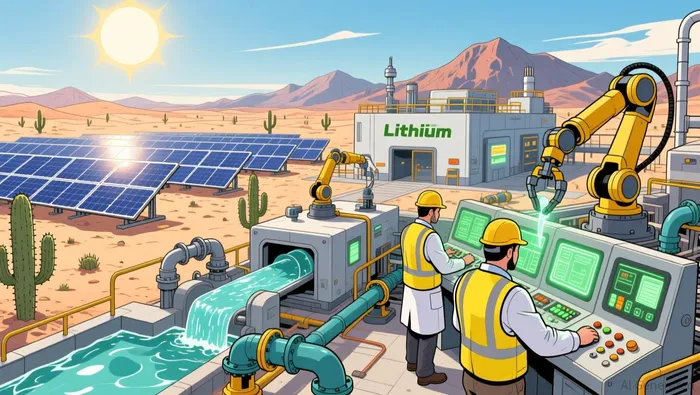 Application and Strategies Investors can leverage these drivers by: - Tracking Innovation Leaders: Companies investing in R&D for advanced battery technologies or sustainable extraction methods may outperform peers. For instance, firms developing DLE could benefit from lower operational costs and environmental regulations. - Monitoring Execution Progress: Milestones like new plant openings or partnerships with EV manufacturers can boost investor confidence. A company hitting production targets might see a surge in stock price as it reduces doubts about scalability. - Diversifying Exposure: Instead of betting on a single company, investors might allocate to ETFs or indices focused on the lithium sector to balance risk.
Case Study Analysis Consider Albemarle Corporation, a leading lithium producer. In 2022, the company announced a major expansion of its lithium hydroxide capacity in California to meet EV demand. This milestone was paired with innovations in DLE technology, reducing water usage and costs. Following these announcements, Albemarle’s stock price rose by over 20% in six months, reflecting investor optimism about its competitive positioning. Additionally, partnerships with TeslaTSLA-- and BMW further solidified its market relevance. This example illustrates how innovation and execution can drive both operational success and market valuation.
Risks and Considerations While lithium offers growth potential, investors must remain cautious: - Market Volatility: Prices can fluctuate due to geopolitical tensions, supply chain disruptions, or overproduction. - Regulatory Shifts: Environmental policies or trade restrictions could impact operations. - Technological Obsolescence: Rapid innovation means today’s leaders might fall behind if they fail to adapt. To mitigate these risks, investors should conduct thorough due diligence, assess a company’s long-term sustainability practices, and avoid overexposure to a single stock or region.
Conclusion The lithium industry is shaped by two powerful forces: technological breakthroughs and execution progress. For investors, staying informed about these drivers can unlock opportunities in a sector poised to fuel the clean energy transition. By focusing on companies that balance innovation with tangible milestones, investors can navigate the risks and capitalize on the long-term potential of this critical resource. As the market evolves, a strategic and informed approach will remain key to successful investing in lithium and related industries.

Stay ahead of the market.
Get curated U.S. market news, insights and key dates delivered to your inbox.
AInvest
PRO
AInvest
PRO



Comments
No comments yet