
Key Drivers in Energy Market Supply Shocks: Balancing Inventories, Demand, and Production
 Aime Summary
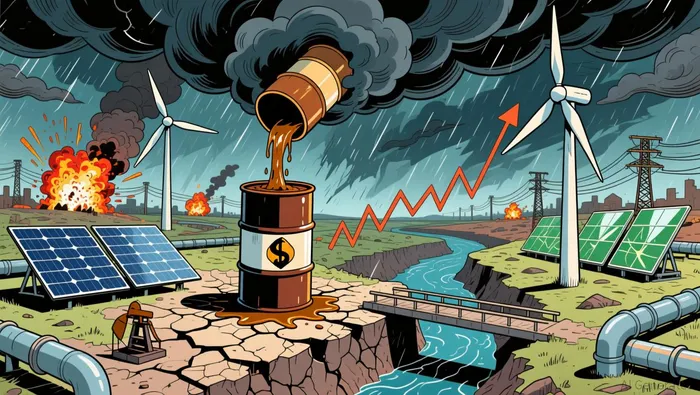
Energy markets are among the most sensitive in the global economy, where sudden shifts in supply, demand, or production can send prices skyrocketing or plummeting. For investors, understanding the forces behind these supply shocks is critical to navigating volatility and making informed decisions. This article explores the interplay between energy inventories, demand trends, and production levels—and how they shape market outcomes.
The Core Concept: Supply Shocks and the Energy Trifecta
A supply shock occurs when an unexpected event disrupts the flow of energy resources, such as oil, natural gas865032--, or coal. Three key factors determine how severe the impact will be: inventories, demand, and production.
Inventories: These act as a buffer. High inventory levels provide a safety net, allowing markets to absorb short-term disruptions without drastic price swings. Low inventories, however, mean even minor supply issues can trigger panic buying and price spikes.
Demand: Energy consumption is driven by economic activity, weather patterns, and long-term trends like the shift to renewables. For example, a global recession can sharply reduce demand, while a heatwave can spike short-term needs for cooling.
Production: This includes output from oil fields, gas rigs, and renewable sources. Geopolitical conflicts, technological advancements (like fracking), and regulatory changes all influence how much energy is produced at any given time.
Strategies for Investors
Understanding these dynamics allows investors to anticipate and respond to market shifts: - Monitor Inventory Reports: Organizations like the U.S. Energy Information Administration (EIA) publish weekly inventory data. A sudden drawdown in crude oil stocks might signal impending price increases. - Diversify Energy Exposure: Investing in a mix of fossil fuels and renewables can hedge against supply shocks tied to specific resources. - Hedge with Futures: Energy futures contracts let investors lock in prices, protecting against volatility. For example, airlines861018-- might buy natural gas futures to manage fuel costs.
Case Study: The 2022 Russia-Ukraine War
In February 2022, Russia’s invasion of Ukraine caused a massive supply shock. Russia, a top oil and gas861002-- exporter, cut exports to Europe, sending prices surging. At the time, global oil inventories were already low due to post-pandemic recovery. With demand remaining strong, prices hit $120 per barrel—nearly double pre-war levels. However, as OPEC+ agreed to modest production increases and alternative suppliers (like the U.S. and Saudi Arabia) ramped up output, inventories slowly rebuilt, and prices stabilized by mid-2023. This example highlights how production cuts, low inventories, and steady demand combine to create market turbulence.
Risks and Mitigation
While these insights are valuable, they come with risks. Overreliance on inventory data might overlook long-term trends, like the decline of fossil fuels. Additionally, demand forecasts can be unreliable in a rapidly changing world. To mitigate these risks: - Stay Informed: Track not just energy data but also macroeconomic indicators and policy changes. - Diversify Portfolios: Avoid putting all capital into a single energy asset. - Use Stop-Loss Orders: Limit potential losses during sudden price drops.
Conclusion
Energy markets are a delicate balance of inventories, demand, and production. By monitoring these factors, investors can better anticipate volatility and position their portfolios for resilience. While no strategy can fully eliminate risk, understanding the drivers behind supply shocks empowers investors to make smarter, more proactive decisions in an unpredictable world.

Stay ahead of the market.
Get curated U.S. market news, insights and key dates delivered to your inbox.


AInvest
PRO
AInvest
PRO



Comments
No comments yet